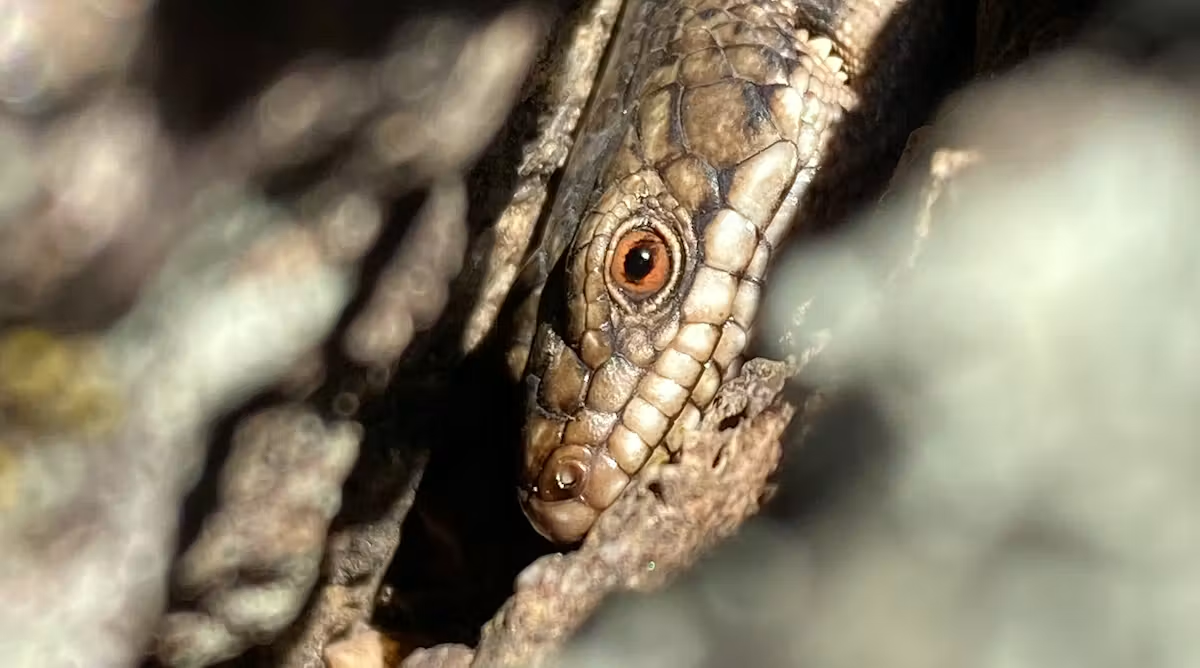
A quarter of the world's reptiles depend on rocky habitats to survive, yet these landscapes remain almost entirely absent from our conservation frameworks. The research team's findings are stark: more than 1,000 species—roughly 10% of the world's reptile species—completely depend on rocky habitats for their survival. Despite this critical importance, rocky areas are often overlooked in conservation plans and initiatives, including the International Union for Conservation of Nature's habitat classification system. This oversight is not merely an academic oversight; it is a conservation crisis waiting to happen.
The threats are immediate and escalating. Rock-dwelling species already face long odds—they have geographic ranges that are 68% smaller, on average, than species that don't rely on rocky habitats, and they are 51% more likely to be classified as critically endangered. Mining, quarrying and urbanisation continue to destroy these habitats. In Australia, new rock crushing machinery can clear and crush surface rocks at rates of up to one hectare per hour, with these methods increasingly being used in agricultural areas in Western Australia, South Australia and western Victoria, threatening the habitat of several threatened reptile species. The critically endangered Emirati leaf-toed gecko in the United Arab Emirates faces threats from rapid urban development to the last isolated rock formation where it survives. Yet we lack even basic data on how quickly these habitats are disappearing.
The cruel paradox is that rocky habitats may seem relatively indestructible compared to forests or other living habitats. In reality, they are easily damaged or destroyed and, once lost, may take centuries or even millenia to reform. This means each hectare of rock habitat cleared today represents a loss that our lifetimes will not see reversed. We also know remarkably little about what we stand to lose—new rock-dependent species are constantly being unearthed, meaning we risk destroying species before we even discover them.
Yet hope remains. Earlier research on Australian farms found that adding surface rocks back into cleared landscapes immediately benefits local wildlife. Within a year, restored rocky areas supported more reptiles and a greater diversity of species, compared to areas without added rock. This shows that restoration is possible, but only if we prioritise protection now.
The path forward is clear: rocky habitats must be formally recognized in conservation classification systems and receive dedicated protection. As the world warms, these rugged landscapes will only become more vital, serving as crucial climate refuges that protect animals from drought and extreme temperatures. Without greater recognition and action, we risk losing both these habitats and the species that depend on them—including countless species yet to be discovered.