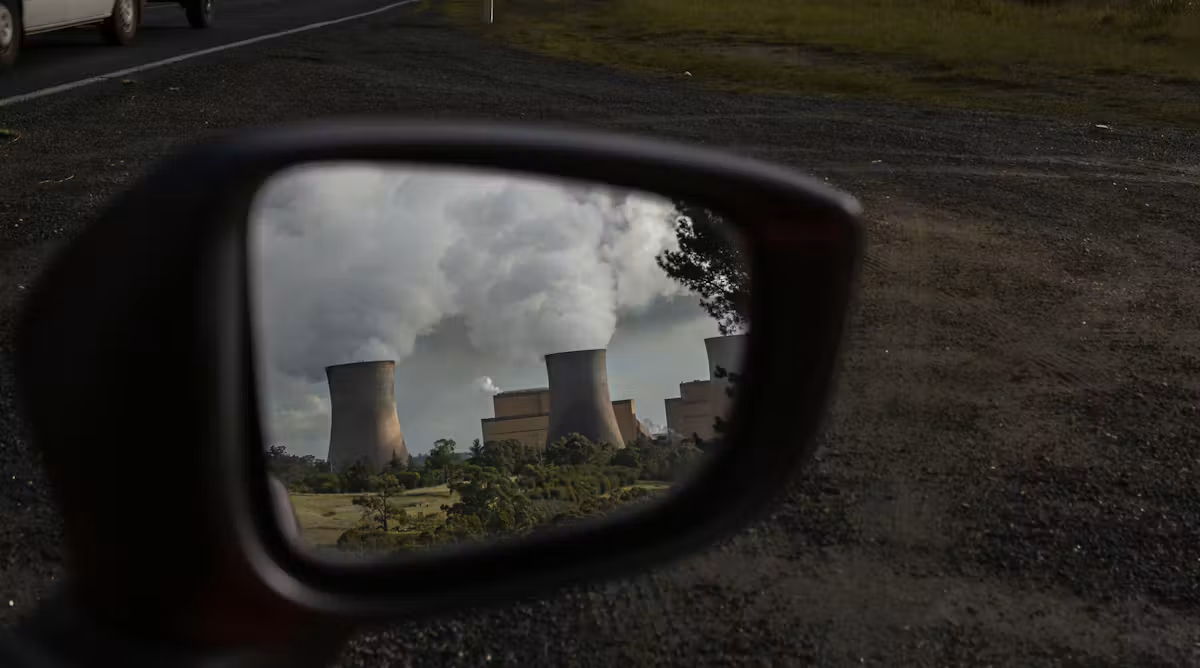
The Global Carbon Project reported this week that fossil fuel emissions may decline slightly in 2026, from 38.4 gigatonnes in 2025 to a projected 38.2 gigatonnes, a decrease of 0.4%. The report was published as world leaders gathered in Turkey for the COP31 climate conference.
The projected decline follows several earlier claims of peak emissions that proved temporary. Similar predictions were made in 2024. Historical drops in emissions occurred after the 1970s OPEC oil embargo, the 1991 Soviet Union collapse, the 2008 financial crisis, and the COVID pandemic. In each case, emissions rose again once economic activity recovered.
Several factors underpin the current potential decrease. High oil prices, driven by wars in the Middle East and Ukraine, have accelerated electric vehicle adoption. Crude oil prices rose from around US$60 a barrel at the start of 2026 to US$100 a barrel currently. In Australia, a quarter of new cars sold in 2026 were fully electric, compared to the country's previous status as an EV laggard.
China, the world's largest fossil fuel emitter, saw its coal-fired emissions plateau and begin declining as the country installed wind, solar and hydropower infrastructure at a rapid rate. In the first half of 2026, less than 50% of China's electricity came from coal.
The report warns that unless policies and actions change, emissions could rise again if the fuel crisis eases. Australia's experience illustrates uneven progress. Fossil emissions fell from a 2017 peak of 415 megatonnes of CO2 to 374 megatonnes, driven entirely by electricity sector reductions as wind and solar replaced coal. Transport emissions increased over the same period, while stationary energy remained stagnant.
The Global Carbon Project notes that oceans and terrestrial ecosystems absorb roughly half of emitted carbon but store it less efficiently as seawater warms and plants face heat or water stress.