Governments control nearly two-thirds of the world's electricity-generating capacity, but research shows their own power plants are cutting emissions far more slowly than investor-owned facilities, even when climate policies are in place.
Researchers examined carbon dioxide emissions from 13,661 fossil-fueled power plants across 134 countries. Government-owned plants made up about 38% of the total but generated 69% of carbon emissions from the group studied. On average, government-owned plants emitted roughly 910,000 metric tons of carbon dioxide annually, compared to 290,000 tons for investor-owned plants and 109,000 tons for cooperatively owned plants.
Between 2009 and 2018, investor-owned power plants cut emissions in response to multiple policies, including carbon pricing, fossil fuel subsidy reforms, air pollution standards, renewable portfolio standards, and renewable energy subsidies. Government-owned plants, however, showed significant emissions reductions only in response to renewable portfolio standards. Other policies had little effect on their emissions.
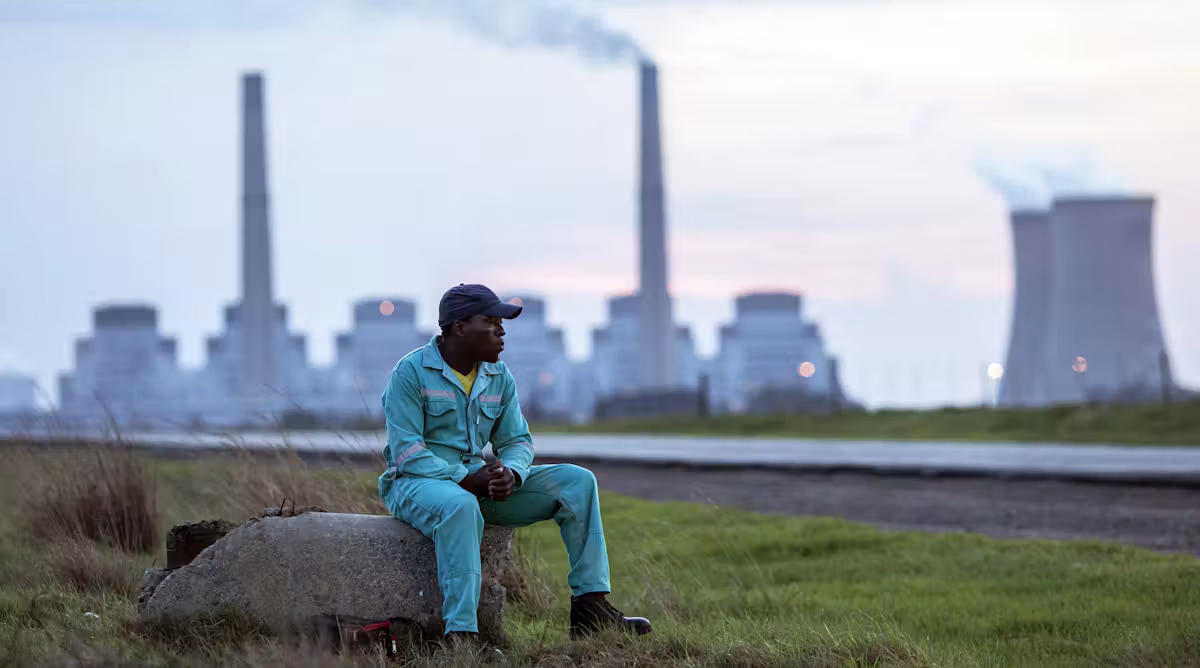
The researchers attribute the gap to competing pressures on government-owned utilities. These utilities are often expected to provide affordable electricity, support job growth, generate tax revenue, and in some cases maintain fossil fuel operations due to political pressure. South Africa's state-owned utility Eskom, which operates aging coal-fired plants and provides 90% of the country's power, exemplifies the challenge. Eskom's emissions fell little during the 2010s and dropped about 16% only after 2019, partly due to power outages and increased home solar use.
Conflict of interest also plays a role. When governments both regulate and own utilities, officials may resist imposing costs that raise electricity prices or require public subsidies.
The researchers propose three approaches. Governments could establish specific emissions-reduction targets for publicly owned utilities and tie managers' accountability to progress, as Ireland did, achieving a 25% fall in electricity production emissions from 2019 to 2025. They could address financial and political constraints through international financing, as Morocco did by expanding solar power while controlling consumer costs. And they could publish comparable annual plant-level emissions data to track individual facility progress rather than sector-wide gains alone.