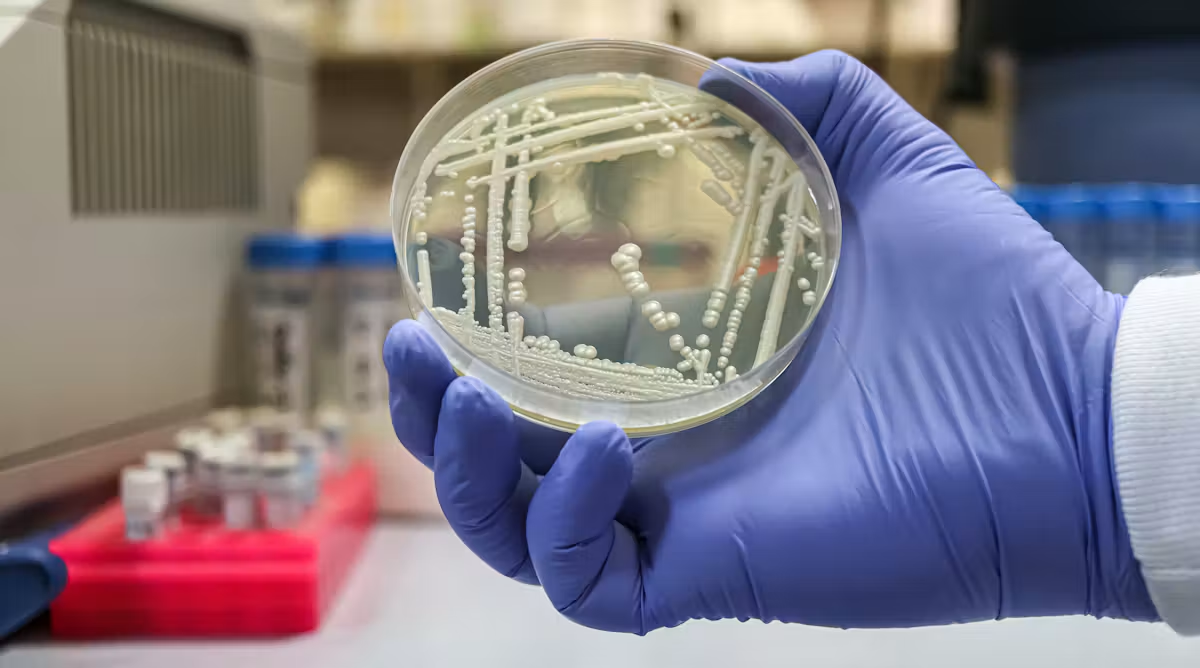
Fungal infections kill around 2.5 million people worldwide each year, more than tuberculosis and malaria combined, yet most health systems do not track them in any organised way. Researchers argue that wastewater monitoring could help detect dangerous fungal pathogens before they spread.
The World Health Organization has published a list of priority fungal pathogens requiring better surveillance. A warming climate, more people living with weakened immunity, and limited antifungal drugs are creating conditions for dangerous fungi to spread. Candida auris, a yeast first identified in Japan in 2009, has spread worldwide, resists several drugs, and causes hard-to-control hospital outbreaks. The UK only required labs to report C. auris starting in 2025.
Hospital-based monitoring misses fungi for three reasons. Fungi are treated as secondary concerns rather than public health threats in their own right. Many people carry fungi such as Candida on their skin or in their gut for months or years without becoming ill, so hospital testing captures only those who become seriously ill. Fungal tests also have technical limitations, and labs often do not identify common yeasts down to species level, allowing drug-resistant species to go unnoticed.
Wastewater testing could reach entire communities. During COVID, virus levels in sewage rose four to 14 days before confirmed cases did. For fungi, evidence remains limited and focuses almost entirely on C. auris. In southern Nevada, researchers found the fungus in 79% of wastewater samples over ten weeks, more often in areas served by healthcare facilities. In Florida, 47% of hospital wastewater samples tested positive, compared with 16% at treatment plants further downstream. A UK hospital detected the fungus in wastewater from one ward during an outbreak.
These studies show C. auris can be detected in wastewater but do not yet demonstrate that sewage data can predict outbreaks. Nobody knows how much fungus each person sheds, so a sewage reading cannot be converted to a patient count. Genetic tests detect fungal DNA but cannot determine whether the fungus is alive or drug-resistant. Combining genetic tests with laboratory culturing will be needed. Some fungi, such as Aspergillus, are inhaled and will not pass through the gut, so sewage may not reflect those infections.
Wastewater treatment does not remove every pathogen. C. auris has been found on remote beaches in the Andaman Islands, India, suggesting it lived in the environment before reaching hospitals. In Hong Kong's mangroves, all multidrug-resistant yeasts researchers found came from sites near wastewater treatment works.
Wastewater monitoring would not replace hospital testing. Its value would be in directing health services where to look, especially where testing people at scale is not possible. Researchers need to standardise methods, measure how much fungus people shed, and determine what sewage levels should trigger action.