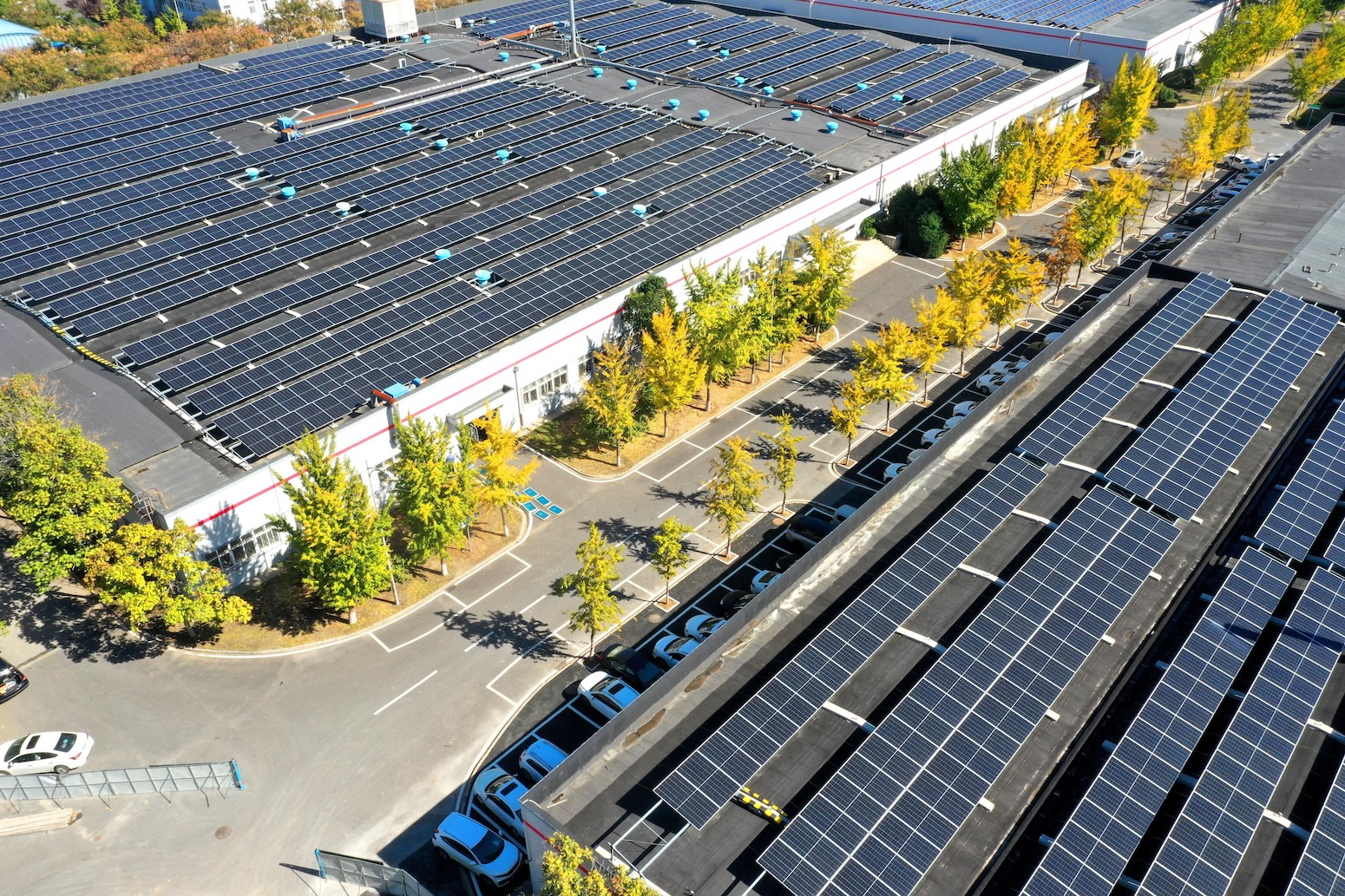
China's carbon dioxide emissions fell by 3.1% in the third quarter of 2026, marking the largest quarterly reduction since the 2022 Covid lockdowns, according to analysis by Lauri Myllyvirta, lead analyst at the Centre for Research on Energy and Clean Air. China's CO2 emissions have now fallen by an estimated 0.5% year to date.
Coal use fell by 3% year-on-year in the third quarter, while oil consumption declined 4%. Coal-power generation dropped 3.3% after demand growth slowed and wasted wind and solar declined. Solar, wind and nuclear power generation increased by 110 terawatt hours year-on-year, more than twice the growth in total electricity demand. This added clean-power generation equaled Germany's total power output in the same period.
Transport oil consumption fell sharply, down 9% year-on-year. Electric vehicles hit a record 67% of passenger car sales and 50% of heavy trucks in September. Electricity used by EVs grew by 53%, faster than the number of EVs on the road.
The decline occurred despite China building new coal-power capacity at near-record rates. Coal plants' average running hours are falling faster than total generation, which erodes their profits.
Growth in the coal-to-chemical industry slowed in the third quarter. High coal prices weakened profitability and higher output prices hurt downstream demand. Cement and steel production emissions continued to fall as construction volumes contracted.
The analysis notes that clean-power growth has been robust while energy consumption growth has slowed. The recent slowdown in energy demand growth was partly explained by exceptionally mild weather and weaker GDP growth. China's reported GDP growth remains within target, reducing pressure for further stimulus policies.