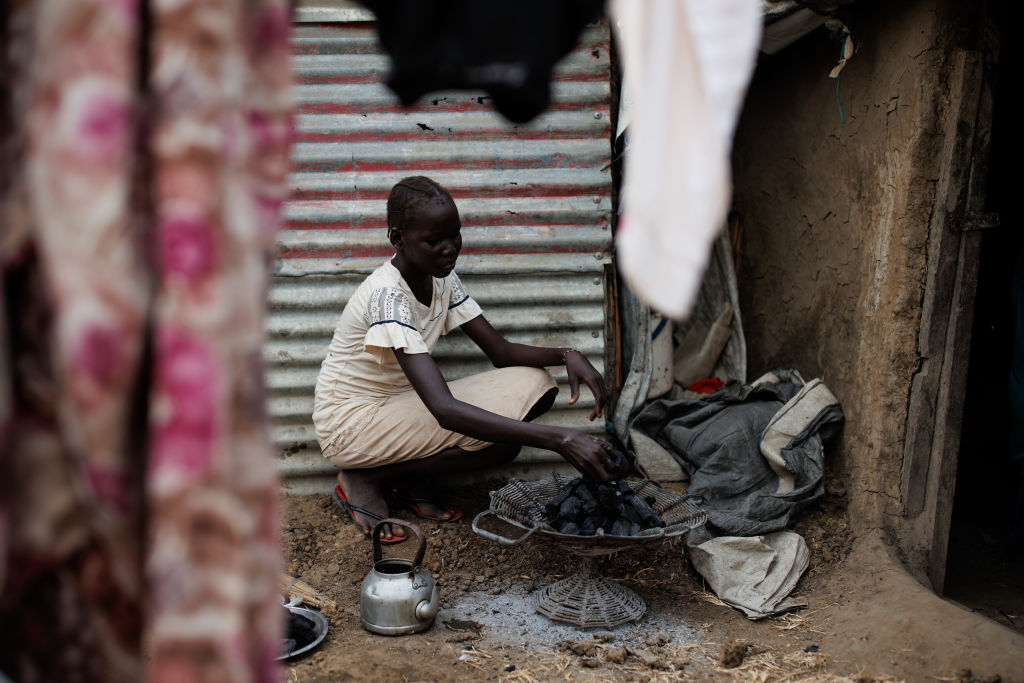
The Article 6.4 Supervisory Body, the regulator for the Paris Agreement carbon market, approved new rulebooks Friday for cookstove projects seeking to generate carbon credits.
Cookstove programmes distribute more efficient stoves that burn less wood or charcoal, or shift households to electric or liquefied petroleum gas cookers. The new rules require these projects to set aside a share of their credits as insurance against the risk that trees they aim to protect are lost to fire, drought, or logging. The regulator rejected calls to exempt the sector from this requirement.
The rulebooks consist of two methodologies, one for programmes cutting emissions through more efficient cookstoves and another for projects switching households to lower-emissions cookers running on electricity or LPG.
Mkhuthazi Steleki, the South African chair of the Supervisory Body, said "this decision gives cleaner cooking projects a new pathway under the UN carbon market, with clear rules to ensure that each credit represents a real and credible emission reduction".
Cookstoves are among the carbon market's most popular credit types and have faced criticism for overstating climate benefits. These are the UN mechanism's first rulebooks for cookstove programmes.