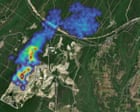
Turkey's Silivri municipal waste dump near Istanbul produces some of the world's worst methane plumes, according to reporting by the Guardian. The landfill releases significant quantities of methane as food and organic waste decomposes. Residents of nearby villages experience the impacts directly. They report intense odors two or three nights each week that force them to keep windows closed during summer months. Kemalettin Özenç, a resident of Yolçatı village, described the smell as one that "suffocates you" and intensifies when air is still.
The disclosure carries particular weight because Turkey hosts COP31, the UN climate summit, and its leaders are calling for global curbs on methane, a potent climate-heating gas. The contradiction between Turkey's climate advocacy and the methane emissions from its own major landfill highlights implementation gaps in emissions management at the national level.
Methane from decomposing organic waste in landfills represents a significant source of the greenhouse gas globally. Waste management practices directly affect atmospheric methane concentrations. The scale of emissions from Silivri ranks among the world's most substantial landfill methane sources. The exposure for residents living near the dump demonstrates how waste management failures create both environmental and public health consequences. Local communities bear direct costs through air quality degradation and quality of life impacts from persistent odors, while global climate effects accumulate from uncontrolled methane release.