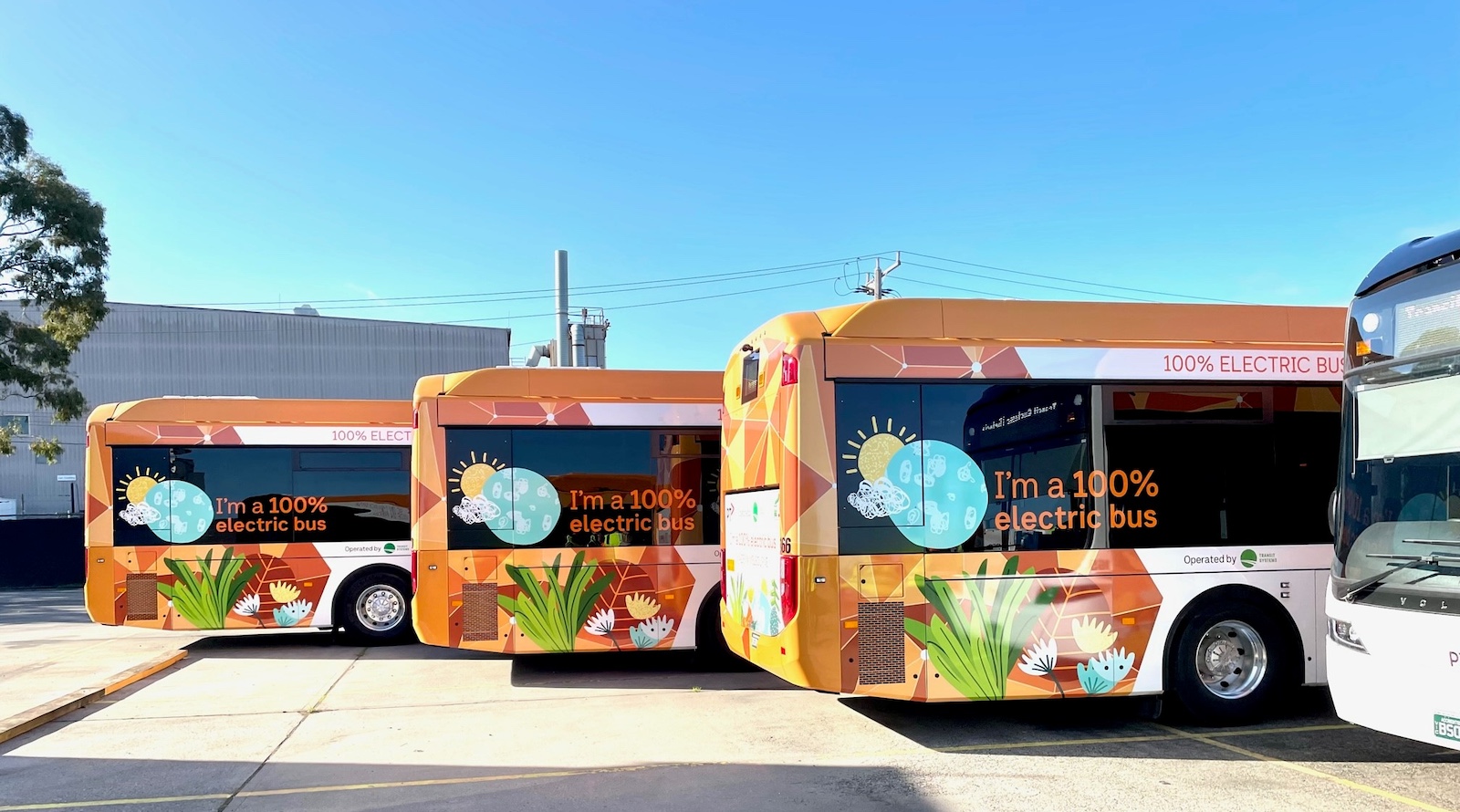
LA Metro's transit agency approved purchase of 220 battery-electric buses in a procurement that ranks among the largest electric bus acquisitions in the United States. The order more than doubles the agency's existing electric bus fleet and accelerates its pathway toward a 100 percent zero-emission bus fleet.
The purchase represents a concrete commitment from North America's second-largest public transit system to phase out diesel and natural gas buses. LA Metro operates the second-busiest transit network in the country, serving Los Angeles County with roughly 2,300 buses across local and rapid routes. The current electric bus fleet numbers fewer than 110 vehicles, meaning this new order will triple the total electric capacity within the agency's network.
Battery-electric buses eliminate tailpipe emissions entirely, a shift that directly addresses air quality in Los Angeles, where transit buses historically powered by diesel have contributed to regional smog and particulate matter pollution. The South Coast Air Quality Management District (SCAQMD) has tracked persistent violations of federal ozone standards in the Los Angeles basin. Transit electrification reduces exposure to nitrogen oxides and fine particulate matter, pollutants that trigger respiratory disease and cardiovascular complications in communities near major transit corridors.
The timing of LA Metro's procurement aligns with California's Advanced Clean Buses rule, implemented by the California Air Resources Board (CARB). The regulation mandates that transit agencies operating in California purchase 100 percent zero-emission buses by 2040, with interim targets requiring 25 percent zero-emission purchases by 2027. LA Metro's 220-bus order helps the agency track toward these benchmarks while avoiding future penalties and grant funding restrictions.
Bus electrification also reduces operational costs long term. Battery-electric buses produce lower per-mile energy costs compared to diesel engines, and maintenance expenses decline substantially because electric drivetrains contain fewer moving parts than internal combustion engines. The upfront capital costs remain higher than conventional buses, but federal grants and state incentives offset purchase prices. The Federal Transit Administration (FTA) distributes funding through the Bipartisan Infrastructure Law and the Bus and Bus Facilities Infrastructure Grant Program, mechanisms that support LA Metro's fleet modernization.
The buses themselves represent advances in battery technology and vehicle engineering. Modern transit-grade battery packs deliver 200 to 280-mile ranges on single charges, sufficient for most urban transit duty cycles. Charging infrastructure deployment matters equally. LA Metro must expand depot charging facilities and potentially install en-route charging systems at major transit centers to support simultaneous charging of hundreds of vehicles.
LA Metro's commitment reflects broader shifts in American transit. Cities including New York, Chicago, and San Francisco have announced similar electrification timelines. Battery costs continue declining, dropping approximately 15 percent annually over the past decade according to BloombergNEF data. This cost trajectory makes electric buses increasingly price-competitive with diesel alternatives.
The 220-bus order carries weight beyond Los Angeles. Successful deployment proves electric bus viability at scale in a major metropolitan region with dense ridership and complex operational demands. Manufacturing expansion for electric buses supports domestic supply chains and employment in vehicle assembly. The procurement signals market demand to bus manufacturers, encouraging continued investment in electric vehicle development.
Implementation challenges remain. Grid upgrades may be necessary to handle simultaneous charging loads. Driver training programs must adapt to electric bus operation. Depot space constraints require infrastructure investments. These hurdles appear manageable compared to the air quality and emissions reductions the fleet electrification will deliver.