UK drivers using battery electric vehicles now pay up to nine times less per mile than those fueling petrol or diesel cars, according to analysis by Carbon Brief. The cost gap has widened dramatically as fossil fuel prices remain elevated while electricity rates have stabilized.
The analysis compares per-mile energy costs for a typical family car. A petrol vehicle costs approximately 17 pence per mile to drive, while the same journey in an electric vehicle costs roughly 2 pence per mile based on current UK electricity prices. Diesel vehicles sit between 16 and 18 pence per mile, putting them on par with petrol engines.
These figures assume home charging at standard domestic electricity rates. Public rapid chargers, while more expensive than home charging, still undercut combustion engine costs significantly. Even at premium public charging stations, electric vehicle running costs remain substantially lower than petrol or diesel alternatives.
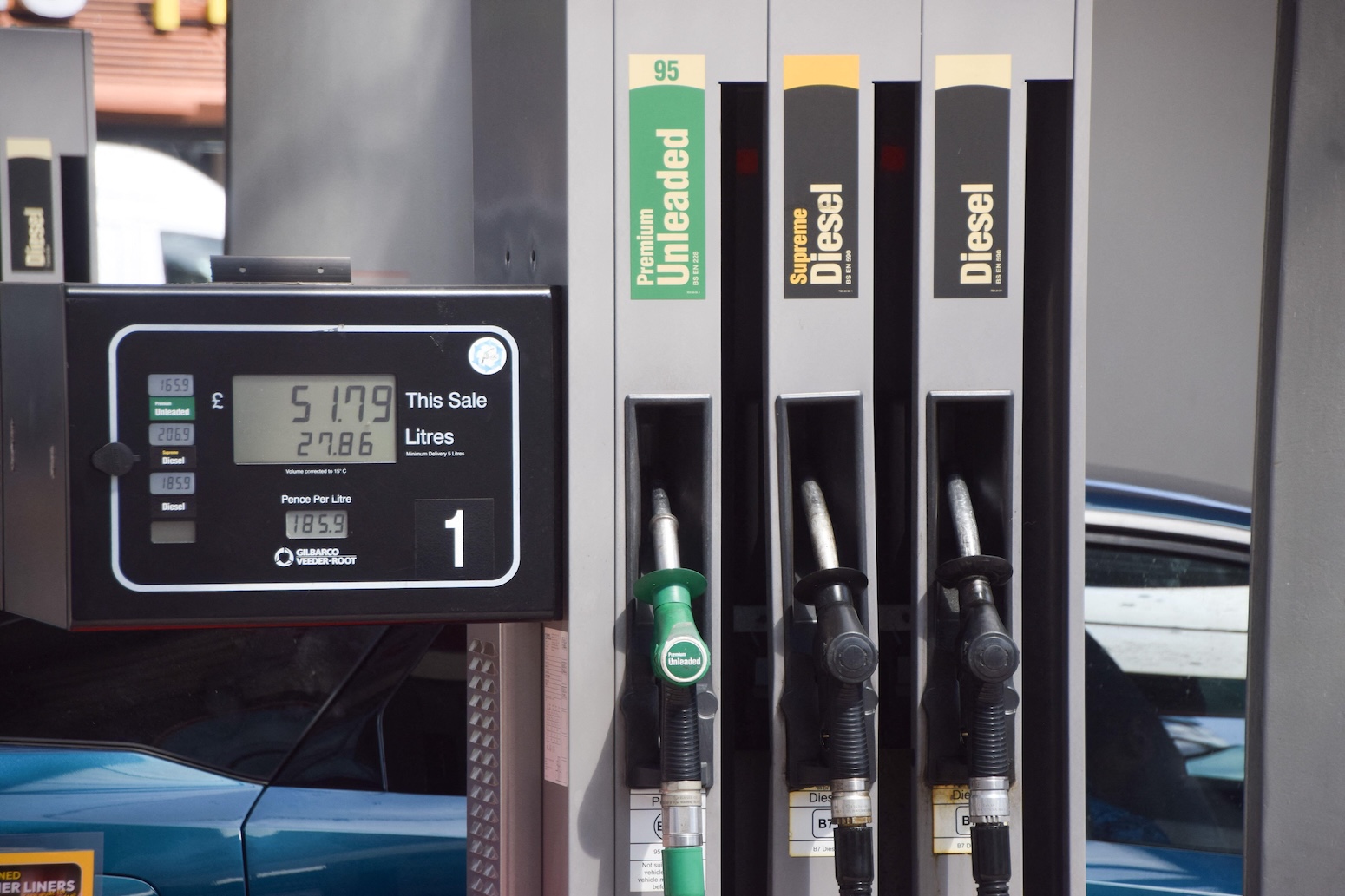
The UK's electricity grid has seen relative price stability over recent months, hovering around 24p per kilowatt-hour for domestic consumers. By contrast, petrol prices have fluctuated between 130p and 150p per liter, with diesel tracking similarly. Wholesale energy markets continue to experience volatility linked to geopolitical tensions and supply constraints, yet retail electricity prices have not spiked to the same degree as fuel prices at the pump.
This cost advantage becomes more pronounced when accounting for maintenance. Electric vehicles have fewer moving parts than internal combustion engines. Brake wear occurs less frequently due to regenerative braking systems. Oil changes, transmission servicing, and exhaust system repairs vanish entirely from the ownership equation. Manufacturers increasingly offer eight-year battery warranties covering degradation below 70 to 80 percent capacity, reducing uncertainty around the vehicle's most expensive component.
However, upfront purchase prices remain the primary barrier to EV adoption in the UK. New electric vehicles typically cost between 30,000 and 50,000 pounds, compared to 20,000 to 35,000 pounds for equivalent petrol cars. Government plug-in grant schemes have ended or substantially reduced support, removing the financial incentive that previously made electric vehicles price-competitive at point of sale.
The analysis carries implications for transport decarbonization policy. The UK government has committed to ending new petrol and diesel car sales by 2030, with pure combustion engines banned from 2035. Lower running costs strengthen the economic case for this transition, yet purchase price barriers require sustained attention through financing mechanisms, tax incentives, or supply-chain development to reduce manufacturing costs.
Carbon Brief's figures assume 2024 energy pricing and do not account for regional variations across the UK. Northern regions with different electricity rates may experience slightly different cost ratios. London and Southeast England typically face higher electricity prices, narrowing but not eliminating the EV cost advantage.
The analysis reinforces that electric vehicles already deliver superior economics during their operational lifetime. This gap will persist as long as electricity generation moves toward renewables while fossil fuel prices remain volatile. Transport electrification increasingly rests on overcoming capital costs rather than proving economic value during the driving years.