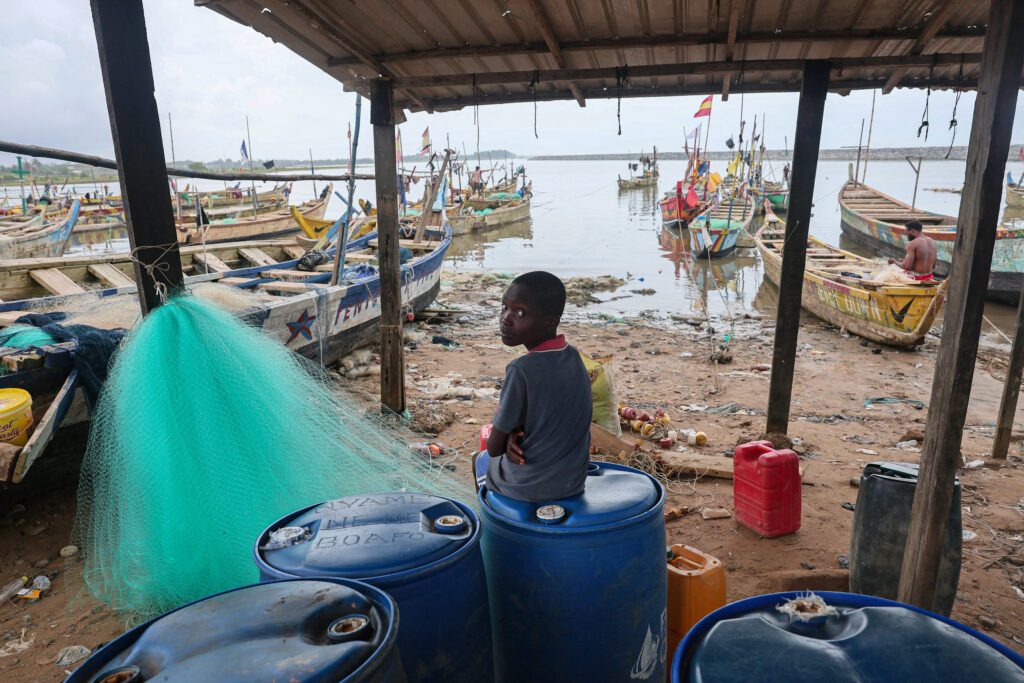
# Ocean Warming Directly Threatens Child Survival in Coastal Communities
Marine heat waves trigger malnutrition, disease, and death in children living in coastal regions, according to new research from the University of North Carolina at Chapel Hill. The study establishes a direct link between elevated ocean temperatures and child mortality and stunted growth in vulnerable populations dependent on marine resources.
When ocean temperatures spike during marine heat waves, fish stocks collapse or migrate. Fishing communities lose access to protein sources. Local economies contract. Families cannot afford alternative foods. Children absorb the brunt of this nutritional collapse through malnutrition, stunted growth, and increased susceptibility to infectious disease.
The UNC Chapel Hill research quantifies this mechanism. Researchers analyzed mortality data, anthropometric measurements, and ocean temperature records across coastal populations in developing nations. The correlation emerged clearly. Higher marine heat wave exposure corresponded with higher child mortality rates and increased instances of stunted growth, a condition affecting cognitive development and long-term health outcomes.
This pathway operates through multiple channels. Marine heat waves devastate fisheries directly. Warmer waters alter fish distributions, pushing species away from traditional fishing grounds or deeper offshore, making catches more difficult and expensive. In regions where fish provides 15 to 20 percent of dietary protein for hundreds of millions of people, these disruptions cascade into household food insecurity within weeks.
Malnutrition weakens children's immune systems, making them more vulnerable to diarrheal diseases, respiratory infections, and malaria. Coastal communities often lack clean water infrastructure and healthcare access. A malnourished child faces compounded risks. The UNC researchers documented excess mortality during marine heat wave periods that exceeded baseline rates by measurable percentages.
Ocean temperatures have risen approximately 1.5 degrees Fahrenheit since 1900. Marine heat waves themselves have become more frequent, intense, and longer-lasting. The Marine Heatwave Tracker at the University of Washington currently documents active events across the Atlantic, Pacific, and Indian Oceans. In 2022 and 2023, marine heat waves hit the North Atlantic with unprecedented intensity, disrupting fisheries from Newfoundland to West Africa.
Climate projections show these conditions intensifying. The Intergovernmental Panel on Climate Change projects that if global average temperatures rise 2 degrees Celsius above pre-industrial levels, marine ecosystems will experience heat stress beyond the tolerance of many fish species currently harvested for food. Small island nations and least-developed coastal countries face the greatest exposure and least capacity to adapt.
The research underscores an unequal burden. Children in wealthy nations can access diverse, imported protein sources. Children in fishing-dependent communities in Southeast Asia, West Africa, and the Indian Ocean region face direct consequences. Their governments often lack budgets for food assistance programs or aquaculture development.
Policy responses remain limited. International climate agreements emphasize emissions reductions to prevent future warming. Adaptation measures, including fishery management reforms and coastal livelihood diversification, receive less funding and political attention. The World Food Programme and United Nations agencies recognize marine resources as critical to food security in 140 million people's diets, yet climate finance for adaptation remains constrained.
The UNC Chapel Hill study adds pediatric health outcomes to the mounting evidence that ocean warming constitutes a public health emergency. As marine heat waves intensify, child malnutrition and mortality in coastal regions will follow unless adaptation investments accelerate.