# Montana Ski Community Mobilizes to Protect Maverick Mountain After Wildfire Threat
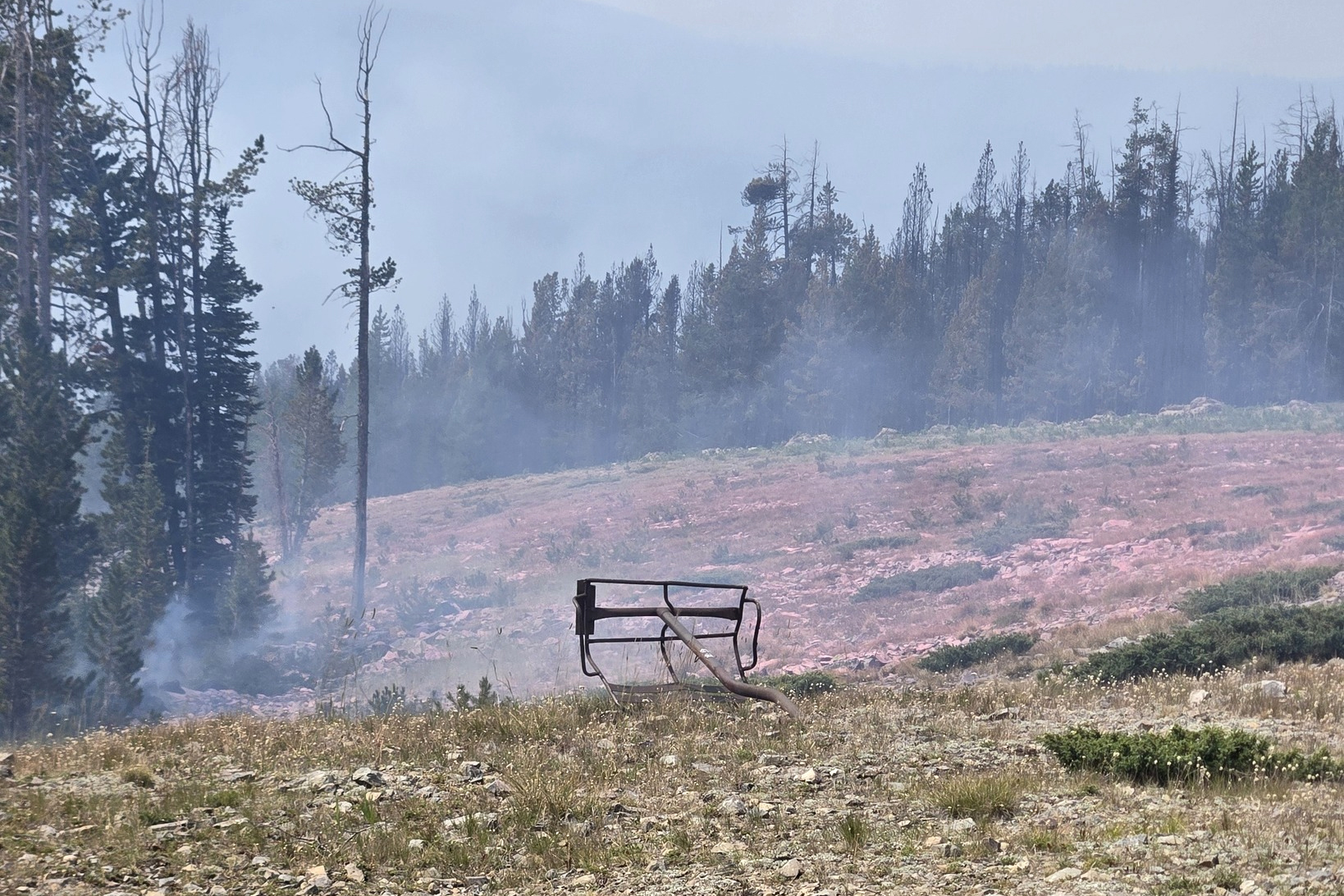
The Sand Creek Fire forced firefighters and aircraft to defend Maverick Mountain, a small ski area in Montana that has served generations of local families. Cory Birkenbuel watched the flames approach terrain his mother skied while pregnant with him, underscoring how deeply this place runs through the community's identity.
Maverick Mountain operates as a nonprofit cooperative owned by local residents who ski there. The facility has operated for decades on a modest footprint, drawing families from surrounding towns rather than tourists seeking world-class terrain. When the Sand Creek Fire crested the ridge above the ski hill 16 days before the community organized its response, the threat became immediate and personal.
Wildfire risk now defines seasonal planning at ski areas across the West. Climate change has extended fire seasons and increased the severity of blazes. The National Interagency Fire Center documented record fire activity in 2023, with wildfires burning 2.6 million acres across the United States. Montana experienced some of its most destructive fire years in the past decade, including the Richard Spring Fire in 2018 and the Washington Creek Fire in 2020, both destroying critical infrastructure in rural areas.
Maverick Mountain's vulnerability reflects a broader pattern affecting smaller ski operations. Unlike massive resorts with extensive resources and insurance coverage, community-owned ski hills operate on tight margins. A destructive fire or evacuation could force permanent closure. Birkenbuel and other members of the Maverick Mountain community initiated fuel reduction projects and worked with firefighting agencies to develop defensible space around buildings and critical equipment.
The community's mobilization extended beyond individual action. Local volunteers coordinated with Montana Department of Natural Resources and Conservation to clear dead trees and brush from the slopes. These efforts create buffer zones that slow fire spread and give firefighters safer working conditions. The work reflects lessons learned from previous Western fires that destroyed communities lacking defensible space.
Aerial firefighting proved decisive during the initial Sand Creek Fire response. Helicopters and air tankers dropped retardant on the ridge above Maverick Mountain, establishing a perimeter that prevented flames from descending onto the ski area itself. The operation required coordination between local fire departments, state agencies, and federal resources.
Small ski areas throughout Montana face mounting pressure. Climate change has shortened reliable snow seasons, while fire risk extends beyond winter months into spring and fall. Maverick Mountain's cooperative ownership structure gives residents more control over protection measures than corporate ski resorts, though it also means fewer financial resources for fire mitigation.
The Sand Creek Fire prompted Maverick Mountain's community to accelerate long-term resilience planning. Members formed a safety committee focused on emergency preparedness, fire detection systems, and evacuation protocols. They secured grants through state forestry programs to fund ongoing vegetation management.
Wildfire threat now ranks alongside traditional ski area concerns like snowpack reliability and operating costs. Montana's ski community recognizes that protecting these places requires year-round vigilance. Maverick Mountain's experience demonstrates how rural communities adapt when climate impacts collide with places that anchor local life and culture.