# Wildfire Season Accelerates Across New England as Droughts Drive Fire Activity
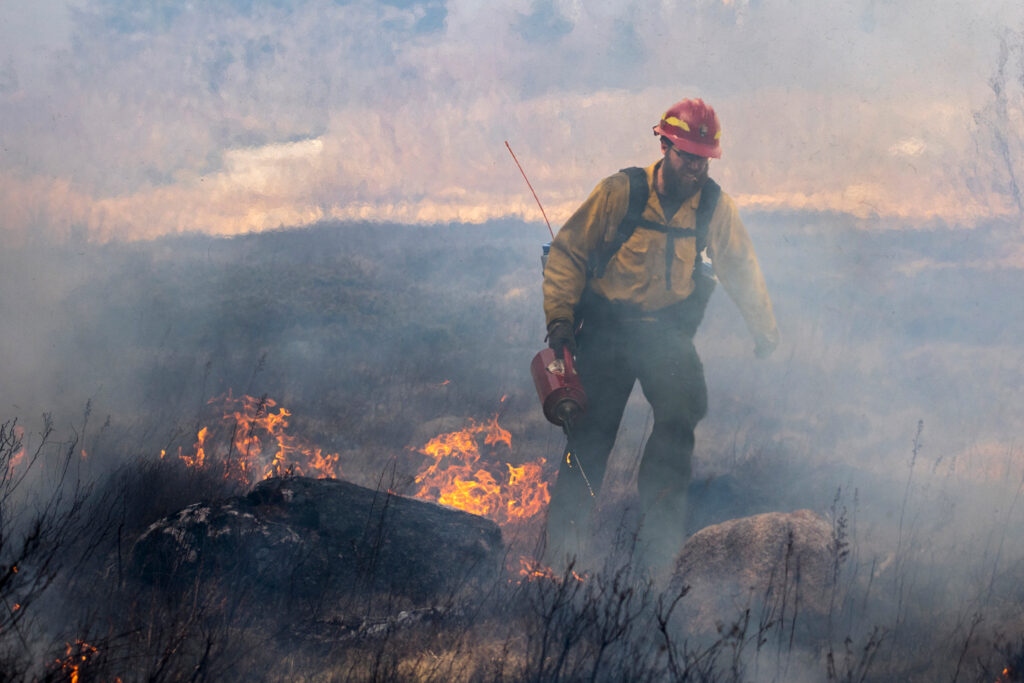
Wildfires across New England are intensifying at a pace that challenges the region's preparedness systems, yet remain overshadowed by Western fire coverage. Maine experienced a dramatic surge in late summer 2025, with drought conditions quadrupling wildfire activity compared to historical norms. Connecticut saw an even sharper spike in 2024, when autumn drought conditions quintupled the state's fire count, resulting in at least one fatality among firefighting personnel.
The Northeast has long occupied a secondary position in national wildfire discourse. Media attention gravitates toward the massive, smoke-producing fires of California, Oregon, and other Western states. This disparity masks a troubling reality: New England's fire season is fundamentally shifting. The region's forests, vegetation, and accumulated fuel loads were never designed for the frequency or intensity of fires now occurring.
Drought stands as the primary accelerant. When precipitation falls below seasonal averages for extended periods, forest moisture content drops sharply. Dead trees, fallen branches, and leaf litter that typically retain moisture become tinder. Connecticut's 2024 experience illustrates the threat. A fall drought that would have produced modest fire activity a decade ago now generates unprecedented numbers of wildfires. The state's firefighting infrastructure, trained and equipped for smaller, more dispersed incidents, faces strain when multiple fires ignite simultaneously across jurisdictions.
Maine's 2025 situation compounds this pressure. Late summer typically marks the tail end of New England's fire season, when cooler temperatures and rising humidity suppress fire spread. The drought that struck in 2025 reversed these expectations, pushing fire season into a period when resources are already committed elsewhere and staffing levels decline after peak summer demand.
Wildland firefighters across the region confront a cascade of challenges beyond flames. Recruitment and retention have declined as younger workers seek careers with better pay and stability. Equipment designed for the region's historical fire patterns may prove inadequate for larger, faster-moving incidents. Mutual aid agreements between states help distribute resources during surges, but they operate at capacity limits.
Climate patterns accelerating these fires reflect broader trends. The Northeast has experienced longer, more intense drought periods over the past two decades. Warmer average temperatures extend fire season at both ends. Forests stressed by heat and moisture deficit become more susceptible to insect outbreaks and disease, adding more dead standing timber to the landscape.
The death of a Connecticut firefighter in 2024 underscores that wildfire response carries genuine operational hazards. Firefighters navigating dense New England forests during active fires face terrain challenges and visibility limitations that differ sharply from Western incidents. Local agencies often receive limited specialized wildland fire training compared to their Western counterparts.
Policy discussions in the region increasingly turn toward prescribed burning and forest management. Strategic, controlled burns during optimal conditions reduce accumulated fuel loads before drought seasons arrive. Vermont, New Hampshire, and other states have expanded their prescribed burn programs, though funding remains constrained and public acceptance of intentional fires remains uneven.
The trajectory is clear: New England's fire seasons will not revert to historical patterns absent major climate shifts. Wildland firefighters in Maine, Connecticut, and neighboring states face a recalibrated operational reality. Investment in training, equipment, and personnel capacity now determines whether future fire seasons produce controlled incidents or crises that overwhelm local response systems.