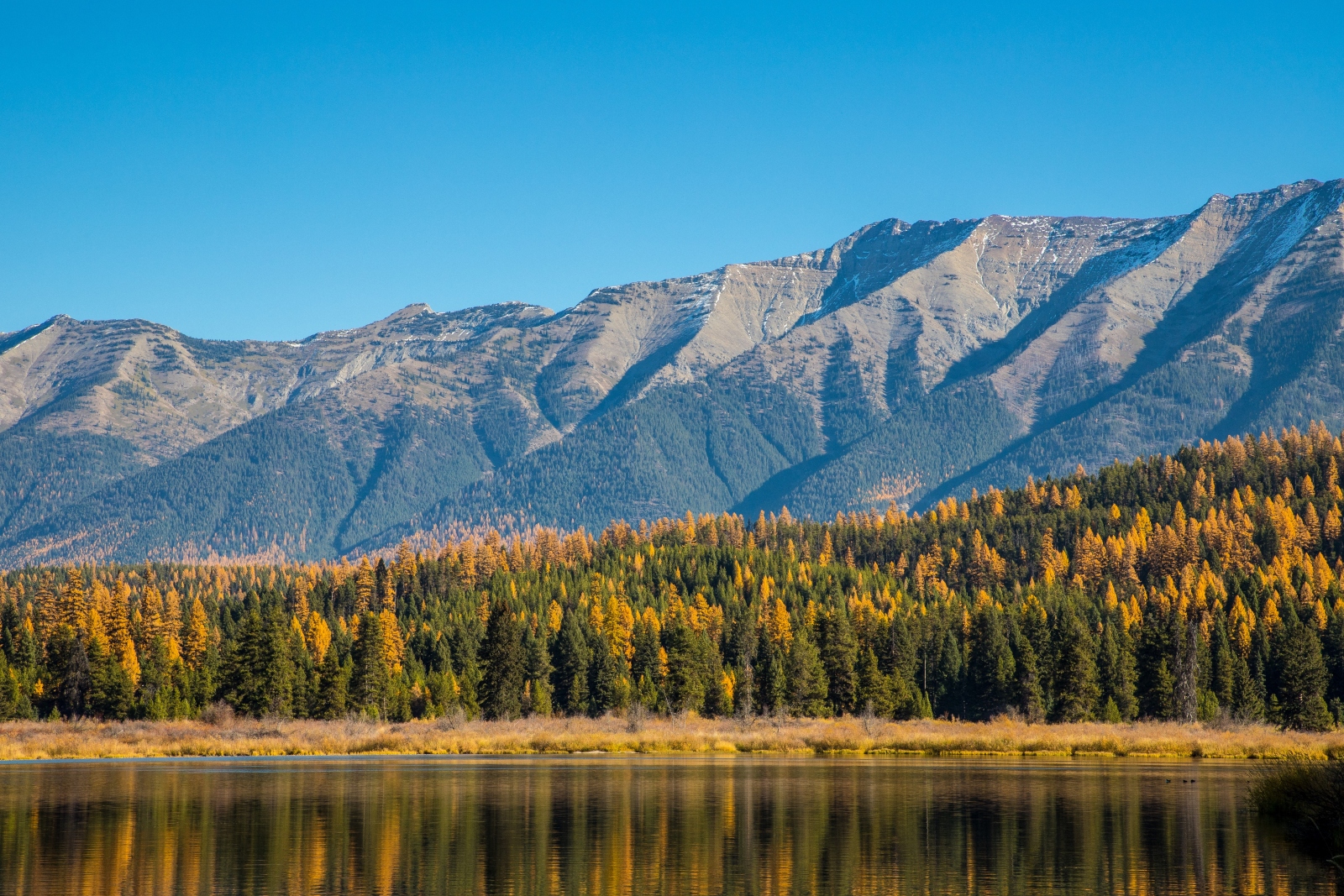
The Trump administration is advancing a proposal to repeal the Roadless Rule, a Clinton-era regulation that has protected nearly 45 million acres of national forest land from road construction and logging for more than two decades.
The Roadless Rule, established in 2001 under President Bill Clinton, prohibits most road construction and timber harvesting on undeveloped national forest land. The rule applies to roughly one-third of all national forest acreage and covers forests across Alaska, the Pacific Northwest, the Rocky Mountains, and the Southeast.
Repealing the rule would remove protections from vast tracts of pristine forest, opening these lands to industrial extraction. The move faces substantial scientific opposition. Forest ecologists have documented that roadless areas provide critical habitat for wildlife, protect watersheds that supply drinking water to millions of Americans, and store significant carbon in standing timber.
Public opposition runs deep as well. Past attempts to weaken the rule generated hundreds of thousands of public comments opposing the change. Environmental groups warn that removing protections would accelerate habitat fragmentation, increase wildfire risk through road-building, and undermine climate commitments by facilitating logging of old-growth carbon sinks.
The timber industry supports the repeal, arguing that increased logging would generate economic activity and employment in rural communities. The administration framed the proposal as part of a broader agenda to reduce federal land restrictions and boost domestic resource extraction.
The Forest Service must navigate a formal rulemaking process that includes a public comment period. Environmental advocates signaled they would mount aggressive legal and legislative challenges to any final repeal, citing the Administrative Procedure Act and existing environmental protections.
The proposal represents one of the most substantial rollbacks of environmental protection under the current administration, affecting lands larger than the state of Pennsylvania and with implications spanning carbon sequestration, water security, and biodiversity conservation.