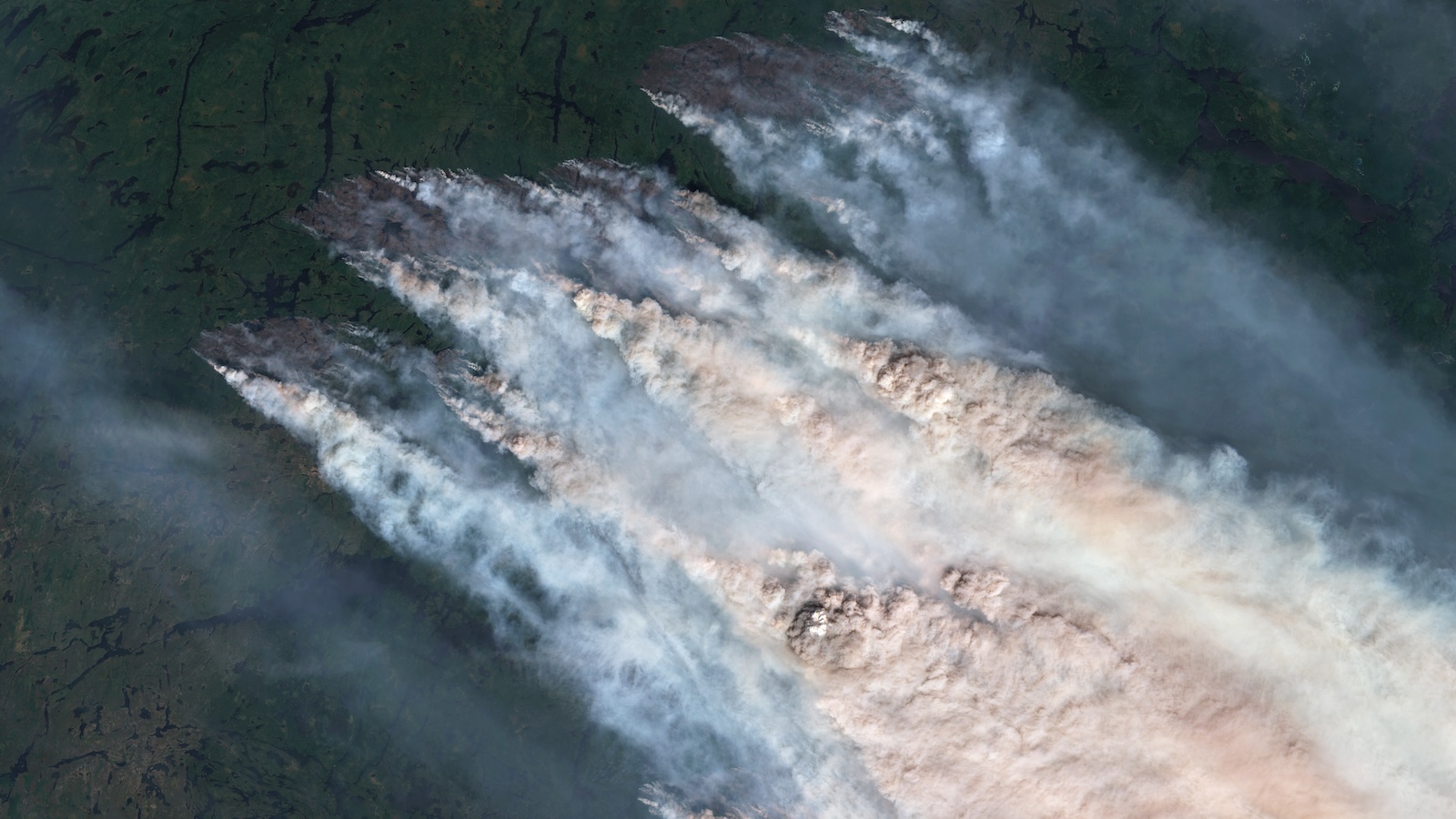
Canada's wildfire season has displaced thousands of residents, with First Nations communities bearing the brunt of the crisis. Indigenous leaders report severe shortages in firefighting resources and emergency assistance, while questioning decision-making processes that determine when evacuations occur and communities can safely return.
The 2023 wildfire season in Canada produced record-breaking smoke that reached the United States, with over 18 million hectares burned. First Nations territories faced disproportionate fire exposure. Leaders from affected communities cite systemic underfunding of Indigenous-led fire prevention and response programs compared to provincial and federal efforts.
A core concern centers on who holds authority over evacuation orders and safety declarations. First Nations leaders argue that provincial governments often make these decisions without adequate consultation or input from Indigenous authorities who understand their lands and communities best. This power imbalance has left some communities unable to prepare adequately or challenge decisions they view as either too hasty or too slow.
Emergency assistance gaps compound the crisis. First Nations displaced by fires report delayed access to temporary housing, financial support, and rebuilding resources. These delays extend timelines for community recovery and add trauma to populations already vulnerable to climate impacts.
Indigenous communities historically managed forests through controlled burning and other land stewardship practices that reduced catastrophic wildfire risk. Exclusion from these management roles, combined with climate-driven fire intensity increases, has created conditions where First Nations now face heightened exposure without proportional resources.
Funding inequities remain stark. Federal wildfire response budgets allocate resources primarily through provincial channels, which historically underfund Indigenous fire management initiatives. First Nations leaders demand direct funding access, recognition of Indigenous fire management expertise, and authority over evacuation and safety decisions affecting their territories.
The crisis underscores how climate impacts intersect with systemic inequities in resource allocation and decision-making power. As wildfire seasons intensify across Canada, First Nations communities call for structural changes