Michigan Governor Gretchen Whitmer's decision to pause both pending and issued state permits for the Line 5 pipeline replacement project represents a crucial moment for environmental protection in the Great Lakes region. By ordering the Michigan Department of Environment, Great Lakes and Energy to thoroughly examine the full scope of environmental threats, Whitmer has finally aligned her actions with her stated commitment to remove Line 5 from the water. This move, prompted by a Michigan Supreme Court ruling this summer that invalidated a separate Line 5 tunnel permit for conducting too narrow an environmental review, demonstrates that the state's highest court agrees: half-measures are insufficient when the Great Lakes are at stake.
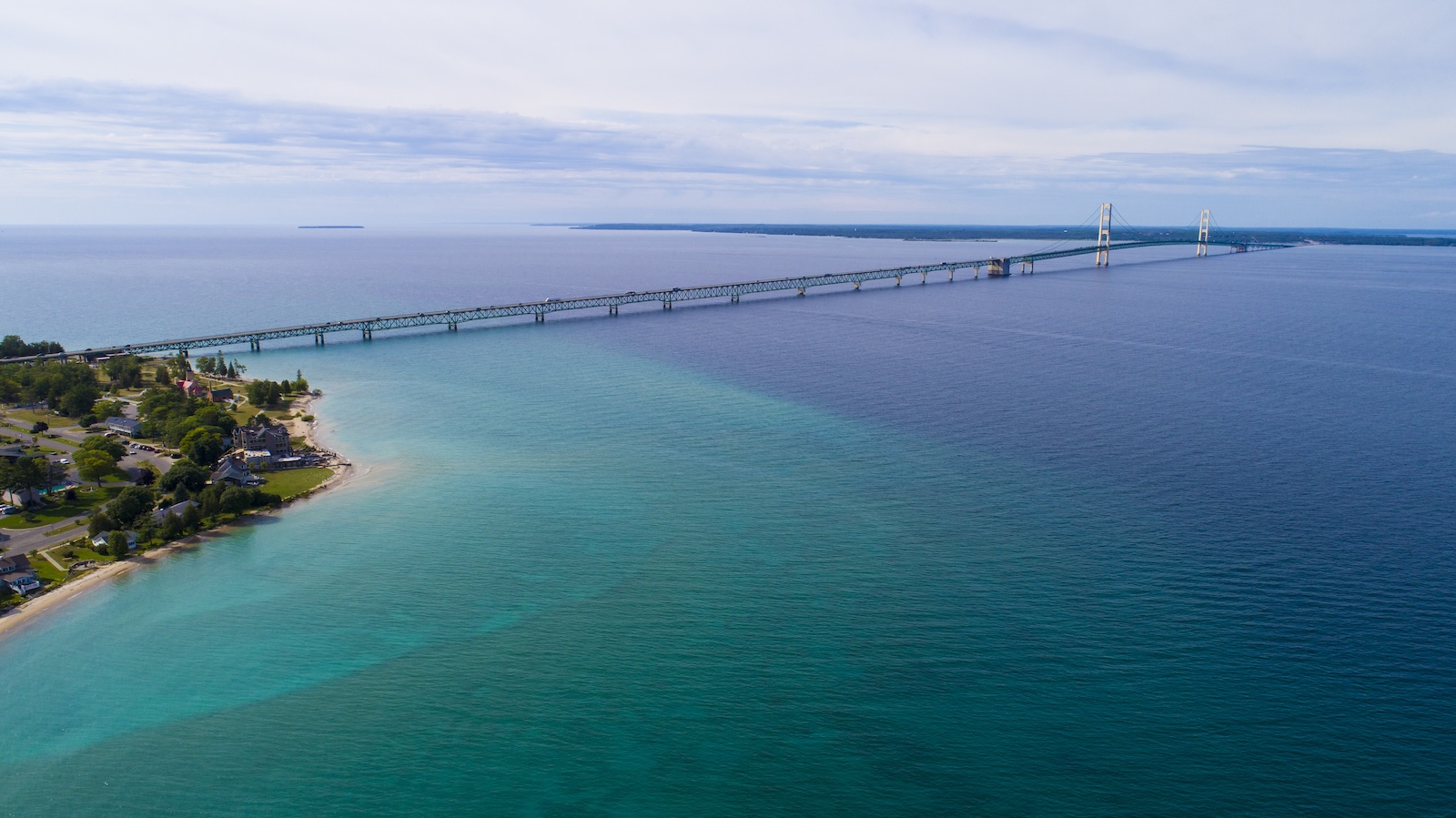
The stakes could not be clearer. Line 5 has been transporting oil and natural gas liquids 645 miles between Ontario and Wisconsin since 1954, with a particularly vulnerable 4-mile segment passing through the Straits of Mackinac—the narrow waterways connecting Lake Michigan to Lake Huron. This area is not simply an environmental treasure; it is sacred to the Anishinaabe peoples, featuring prominently in their creation story and serving as burial grounds for their ancestors. Any spill here would threaten irreparable damage to water, economy, and way of life, as Whitmer herself has stated. That Enbridge Energy has proposed this tunnel replacement plan for nearly a decade while claiming the pipeline is safe rings hollow, especially given that regulators in Wisconsin have recently been dealing with a spill on Line 5's portion crossing that state.
Enbridge's assertion that it is 'equally committed to safeguarding the Great Lakes' deserves scrutiny. The company points to its pending EGLE permit—a renewal of one received in 2021—as evidence of governmental approval. But approval is not safety, and permits issued under insufficient environmental review are, as the Michigan Supreme Court recognized, inadequate. Enbridge's confidence that the project will proceed does not align with the seriousness of potential catastrophe.
The permit pause represents vindication for years of opposition from climate advocates and Indigenous communities. Ashley Rudzinski of the Groundwork Center for Resilient Communities rightly called this 'a really, really excellent step in the right direction,' noting that the Whitmer administration is finally putting strength behind its words. All 12 federally recognized tribes in Michigan oppose the pipeline, and lawyers representing them, including Laura Berglan of Earthjustice, have made clear that keeping the Great Lakes free of oil must transcend individual administrations.
With Governor-elect Jocelyn Benson, also a Democrat, taking office January 1, the critical question is whether this momentum will continue. The federal approval Enbridge already received means nothing if Michigan denies state permits. As Berglan stated: protecting shared and tribal resources for the future demands sustained commitment. Whitmer's pause is not an ending—it is an overdue beginning.