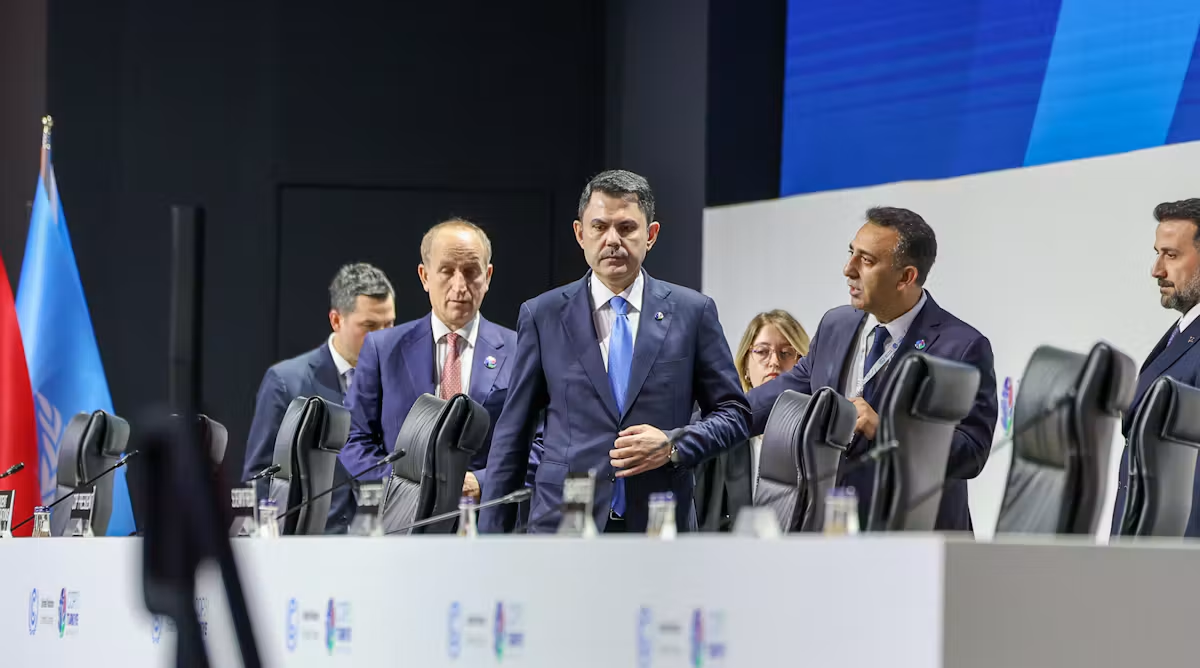
COP31 ended without agreement after nearly two days of overtime negotiations in Antalya, Turkey. The failure centered on a draft text that did not mention phasing out fossil fuels. Nearly 40 countries, including EU members, the UK, Panama, Vanuatu and the Marshall Islands, formally objected.
EU representatives called a deal that ignored fossil fuel phase-out "unconscionable".
The summit also failed on other fronts. The goal to triple adaptation financing to US$120 billion per year did not survive. Adaptation needs in the Global South alone total around US$500 billion annually. A just transition mechanism made little progress. The target for clean electricity to supply 35 percent of global energy by 2035 remained only a voluntary pledge by 90 countries.
Three issues drove the standoff. Countries rejected the draft because it lacked response to science showing the world will breach 1.5 degrees Celsius of warming around 2030, according to the UN Environment Programme's overshoot report and the 2026 Global Carbon Budget report. Financing for developing nations fell short. And petrostates clashed with small island states over overshoot remedies.
Saudi Arabia, India and Russia objected to citing UN Environment Programme and World Meteorological Organization annual reports, calling them "grey literature" and accepting only IPCC assessments. The same countries pushed for delay of the IPCC's Seventh Assessment Report to 2029. Dozens of European, African and Pacific nations want it delivered earlier to inform the 2028 Global Stocktake, when nations measure progress against Paris Agreement goals.
Tim Naish, a professor at Te Herenga Waka Victoria University of Wellington who chaired the World Climate Research Programme and attended as a science expert, wrote that 92,000 people flew to the summit. He questioned whether the COP format remains viable if negotiators cannot agree to hear science on time.