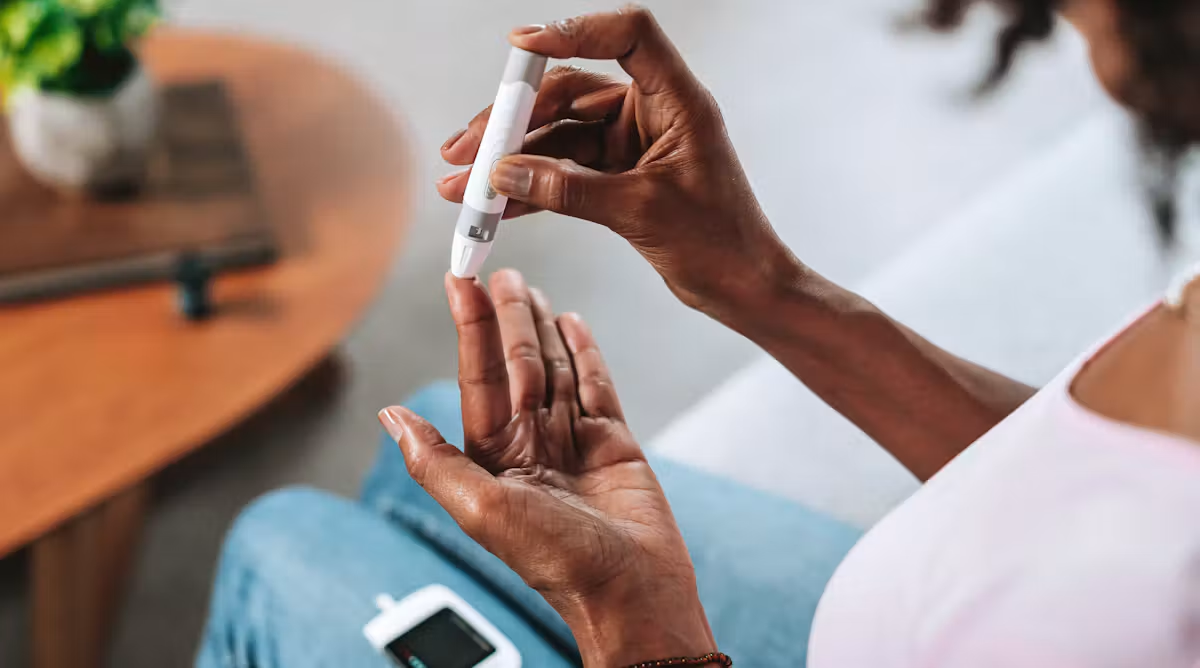
By 2026, over 830 million people worldwide will live with diabetes, with more than 90% having Type 2 diabetes. A 2023 analysis projects that by 2050, more than 1.3 billion people will have diabetes, with prevalence reaching nearly 17% in North Africa and the Middle East and 11% in Latin America and the Caribbean.
New treatments show promise. In clinical trials, most people receiving transplanted insulin-producing cells either eliminated insulin use or took significantly lower doses, reducing their risk of severely low blood sugar, which can be fatal. The challenge lies in immune rejection. For Type 1 diabetes, the body's immune system attacks the new cells because it already targeted the original insulin-producing cells. Researchers are developing methods to modify cells before implantation to prevent immune attack and medications that would stop immune attacks without leaving people immunocompromised.
Teplizumab, a drug already available, can delay Type 1 progression by slowing destruction of insulin-producing cells in people whose immune systems have begun attacking them, delaying the need for insulin up to three years. Blood tests can identify immune attacks far before symptoms appear. The TrialNet program provides screening across North America, Europe and Australia. European experts call for screening everyone, not just those at heightened risk, since 90% of Type 1 diagnoses occur in people without an affected family member.
For Type 2 diabetes, a clinical trial published in October 2026 found that over half of participants saw diabetes go into remission after six months on a low-calorie diet and supervised exercise. A 2025 study showed an AI-driven mobile application providing personalized lifestyle advice led to sustained remission in over half of participants for up to three years. GLP-1 medications reduce deaths, hospitalizations and amputations in high-risk populations and can prevent Type 2 onset in people with elevated blood sugar.
Access remains a barrier. Researchers estimate more than 250 million people worldwide are unaware they have Type 2 diabetes due to lack of access to testing. Only about 1 in 2 people globally with Type 2 diabetes have access to needed insulin. GLP-1 access concentrates in high-income countries with prohibitive costs. Screening and early treatment for Type 1 rarely exist in low- and middle-income countries. A nonprofit survey found that more than a third of over 1,000 participants rationed diabetes supplies in the past year because of cost. The COVID-19 pandemic made accessing diabetes care more difficult.