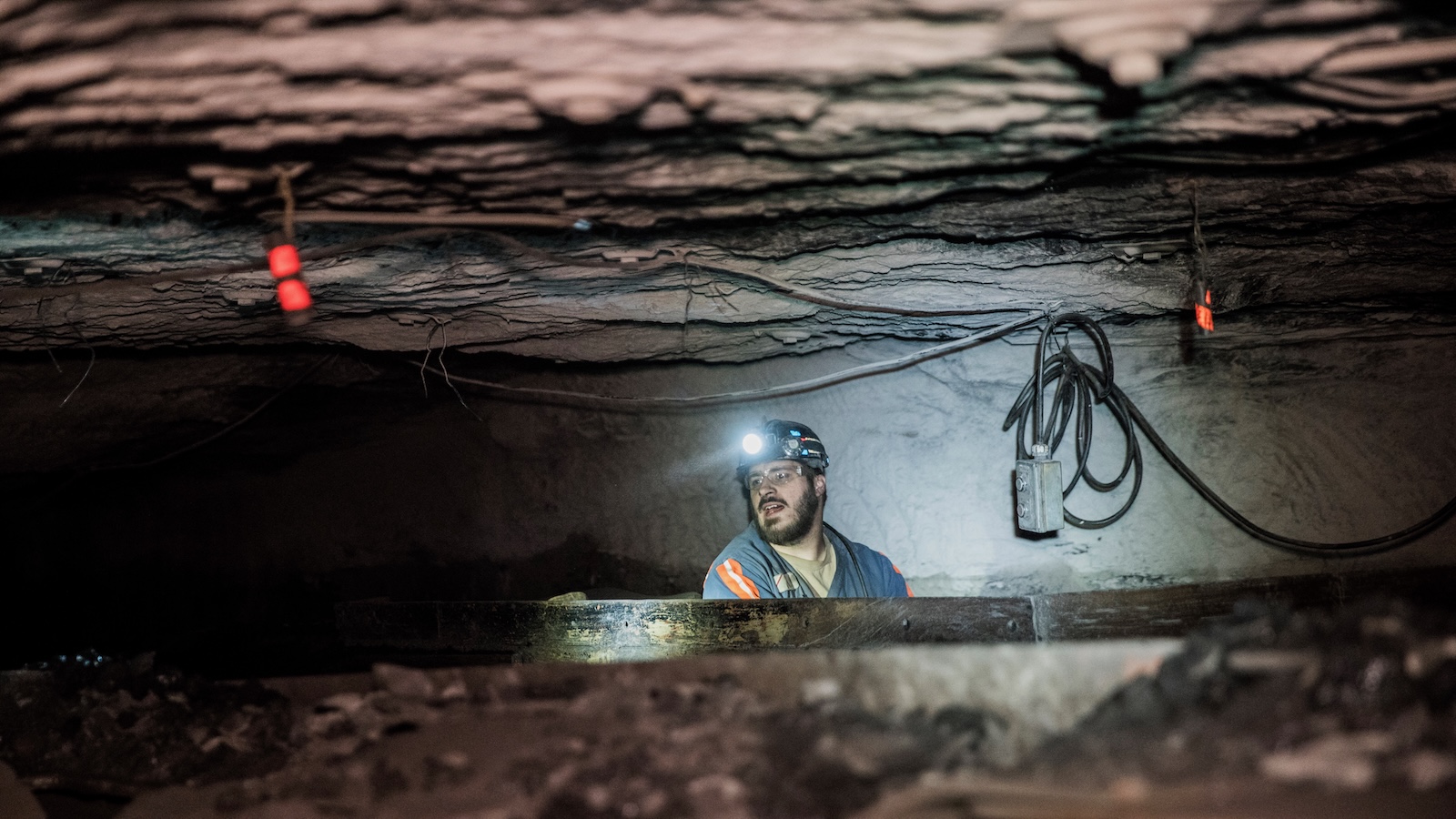
The Trump administration's Mine Safety and Health Administration proposed revisions to a silica exposure rule for coal miners on November 12. The proposal retains the 50-microgram per cubic meter limit set by the Biden administration in 2024, but changes monitoring and enforcement requirements that advocates say substantially weaken protections.
The 2024 rule required air sampling in each underground mine every six months. The proposal eliminates that schedule, allowing mines to test "as frequently as necessary" as determined by operators. A single sample could go longer than six months without testing if operators assess that conditions don't warrant it.
The proposal also adds a 21 percent margin of error in testing. Under this threshold, companies would only face fines if a sample exceeded the 50 microgram limit by at least 21 percent, effectively allowing an additional 10 micrograms of worker exposure, according to Brendan Muckian-Bates, a policy analyst with Appalachian Citizens' Law Center.
Medical exams would become voluntary for new metal and nonmetal miners under the proposal, whereas the 2024 rule made them mandatory. Those baseline exams help determine whether lung disease developed from workplace exposure, particularly important because silica exposure consequences may not appear for decades.
Black lung disease rates reached a 50-year high and continue climbing. A study led by the National Institute for Occupational Safety and Health found that more than 1 in 3 miners in Central Appalachia tested positive for the disease during routine screenings in the past three years.
John Robinson, vice president of the National Black Lung Association, was diagnosed with black lung at age 47 after inhaling toxic silica dust in Virginia mines. The MSHA estimated the proposed rule will save the industry $28.7 million per year, with coal companies saving $2.43 million.
The Federal Register listed the proposal as "a deregulatory action," referencing President Donald Trump's executive order on deregulation. Public comment closes January 11, with a virtual meeting scheduled for December 15.