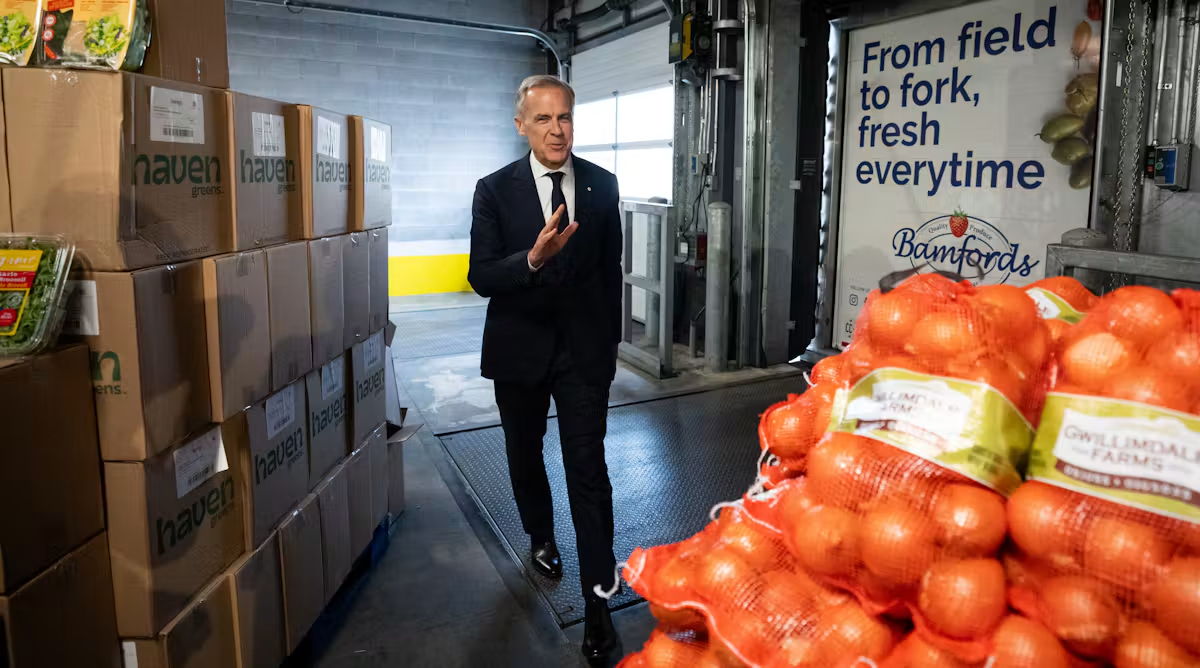
Canada's $1 billion Food-Link Fund launched in October 2026 supports rural food infrastructure through two programs. The Food Terminal Fund backs large-scale wholesale facilities in urban centres. The Food Hub Program funds storage, processing, aggregation and distribution infrastructure closer to rural producers.
The fund's outcome-focused design allows communities to tailor projects to local needs and supports both new and existing initiatives run by non-profits, for-profits and Indigenous organizations. The two-step application process and up to $25 million per project over 10 years provide more stability than past one-time funding programs.
However, the fund's criteria create barriers in the communities it aims to serve. The program prioritizes economic performance and infrastructure expansion over social outcomes like affordability, accessibility, cultural appropriateness or community resilience. It requires applicants to demonstrate financial sustainability without ongoing government support, disadvantaging smaller and remote communities where market economies function poorly. Cost-sharing requirements of 50 per cent (or 40 per cent for Indigenous-led projects) disadvantage communities with the greatest financial needs.
As researchers with the Common Ground Network wrote, the fund's emphasis on economic performance may create barriers "precisely where needs are greatest." Projects with primarily social goals or those in communities unable to secure matching funds may never reach the application stage. The program risks favouring applicants already well positioned to succeed rather than those facing the greatest food security challenges.