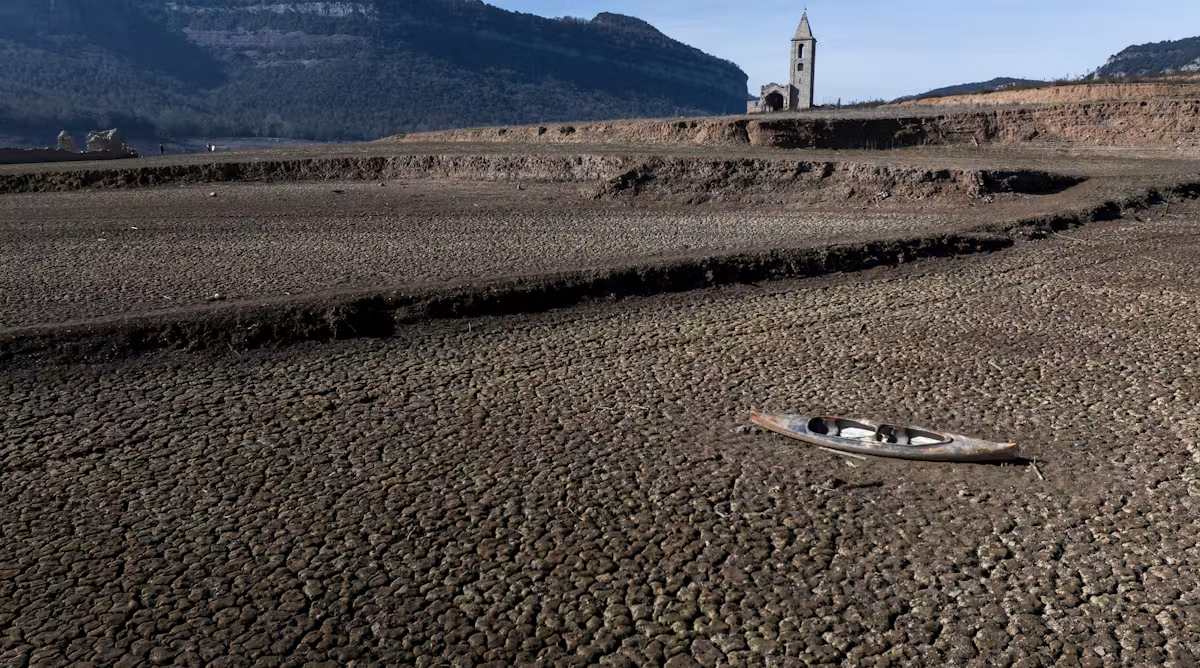
A survey of 10,000 young people in 10 countries found that more than half felt powerless and helpless about climate change. About four in 10 people say they sometimes or often avoid climate news, which many describe as hard to follow and emotionally draining.
Communicators have long assumed people view climate change as distant in place and time. A 2023 review of research challenged this, finding most people already see it as current and close to home. The bigger gap may lie in understanding how others experience climate impacts locally.
People understand climate change through three pathways: by living through it, by learning about it, and by relating it to their own hardship, according to Shagbaor Hycent Amool, a PhD candidate in environmental engineering at the University of Northern British Columbia.
In late June 2021, a heatwave in British Columbia reached 49.6 degrees Celsius in the town of Lytton, Canada's highest temperature on record. Scientists found the heatwave would have been "virtually impossible" without human-caused climate change. The BC Coroners Service linked 619 deaths to the heat, most among older people living alone.
After the 2013-14 floods in the United Kingdom, people affected by flooding were more likely to view climate change as a personal threat. In November 2021, Tuvalu's then-foreign minister Simon Kofe recorded his address to COP26 while standing knee-deep in seawater, on land he said had once been dry.
Research shows people who feel compassion for others' suffering are more willing to protect the environment. Climate messages told as personal stories have prompted more action than the same information presented as facts, Amool writes.
Effective climate communication should pair stories with science, focus on consequences rather than hazards, and let affected people speak for themselves, Amool argues.