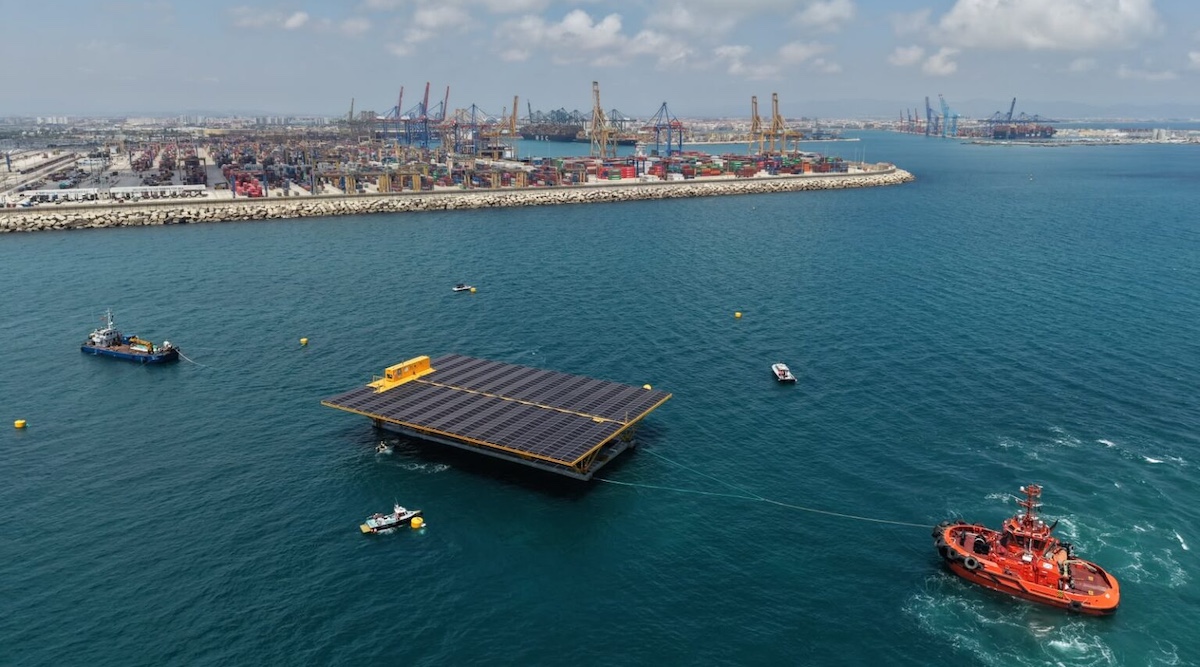
Spain's renewable electricity generation has grown from 35% in 2015 to 56% in 2025, cutting emissions by about one-fifth, according to an International Energy Agency Energy Policy Review released October 5, 2026. The expansion has lowered wholesale electricity prices and reduced fuel imports. Without the renewable capacity growth, Spain's natural gas imports for power generation would have been nearly 40% higher, or USD 26 billion more, in 2024.
The IEA report finds that faster electrification across transport, buildings, and industry is essential to meeting Spain's energy and climate goals. Electricity currently accounts for just 25% of Spain's final energy consumption, below the country's 2030 target of 35%. Electric vehicle adoption remains limited, particularly for corporate fleets, and fossil-fuel heating is still widespread. Industry faces high upfront investment costs for electrification.
A combination of taxes, levies, and network charges keeps end-user electricity prices high in Spain, while fossil fuels face comparatively lower charges. Spain is abolishing its tax on electricity production in 2026. The report recommends further rebalancing domestic energy price dynamics while protecting vulnerable consumers, which could strengthen incentives to electrify.
Spain has launched reforms to accelerate energy storage, demand-side flexibility, and adapt grid rules to its changing generation mix. The IEA recommends continued progress on power system infrastructure and management, alongside a balanced mix of wind, solar, and hybrid technologies.
The report highlights the need to manage Spain's planned nuclear phase-out carefully to maintain supply security. Following approval to extend the Almaraz nuclear power plant's lifetime, the IEA recommends implementing a transparent framework for future case-by-case decisions that considers costs and benefits for consumers and the power system.