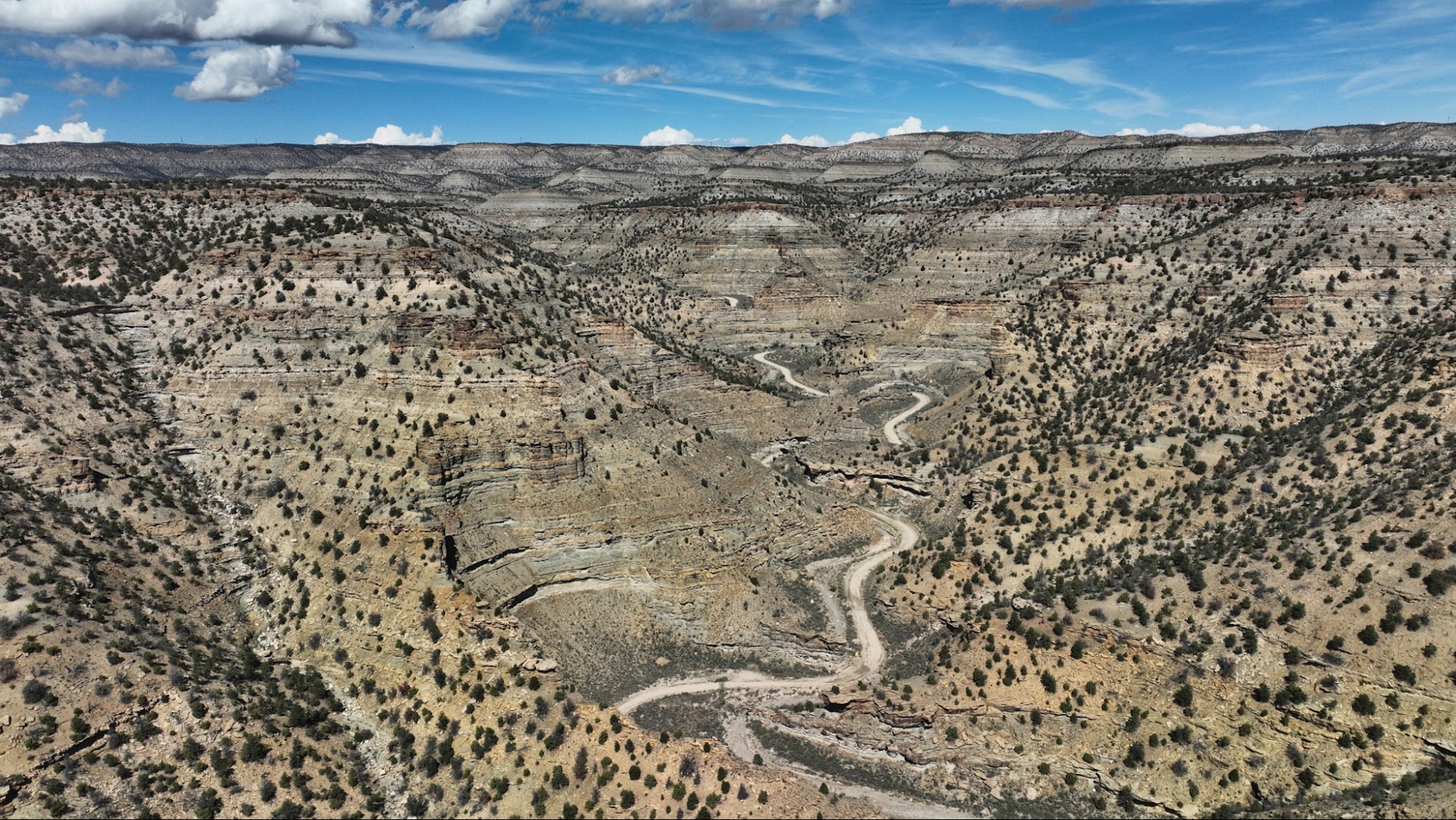
The Trump administration approved plans in April 2025 to widen and straighten a road through Gate Canyon, a tributary of Nine Mile Canyon in eastern Utah, to create a faster route for oil trucks from the Uinta Basin to Carbon County rail-loading facilities. The canyon contains 47 historic sites, 43 eligible for the National Register of Historic Places, and thousands of ancient petroglyphs and Native American rock art panels.
The Bureau of Land Management determined in an April 28 environmental assessment that the highway "will not significantly affect" the environment, recreation, wildlife or quality of life. The project would cut through 5.3 miles of land managed by the BLM and Utah's Trust Lands Administration and could bring up to 500 heavy trucks per day through Nine Mile Canyon.
Environmental and historic preservation groups filed suit in Utah's U.S. District Court last month against the Department of Interior and BLM. The Nine Mile Canyon Coalition, Southern Utah Wilderness Alliance, and Center for Biological Diversity argue the BLM violated the Endangered Species Act, National Environmental Policy Act, Federal Land Policy and Management Act, and National Historic Preservation Act. They claim the agency bypassed normal public comment and ecological review processes.
The plaintiffs note the BLM's own 2015 draft assessment identified dozens of sites within Gate Canyon eligible for the National Register, including 11 within feet of the existing dirt road, and identified potential habitat for the threatened Mexican spotted owl. Despite this, they contend the BLM approved the project without identifying any historical or archaeological resources. The plaintiffs say they requested public comment periods and participation in the environmental review after learning of the new development plan in March, but the BLM either did not respond or denied their requests.