The Canadian government recently proposed lifting a federal moratorium on Arctic offshore oil and gas extraction, allocating millions of dollars in the fall 2026 budget for northern oil and gas governance. Prime Minister Mark Carney announced plans for consultations and capacity-building in the western Arctic. This initiative comes as Bill C-39, the Building Canada Strong Act, seeks to fast-track development projects including pipelines and mines, though Liberal members of Parliament recently agreed to amendments following protests over concerns the bill would undermine environmental protections and Indigenous and labour rights.
Canada and the United States implemented a moratorium on Arctic drilling in 2016 to support climate commitments, study environmental risks, and develop protected areas. The ban's reception in the North was mixed, with concerns about missed economic opportunities balanced against views that the ban did not go far enough.
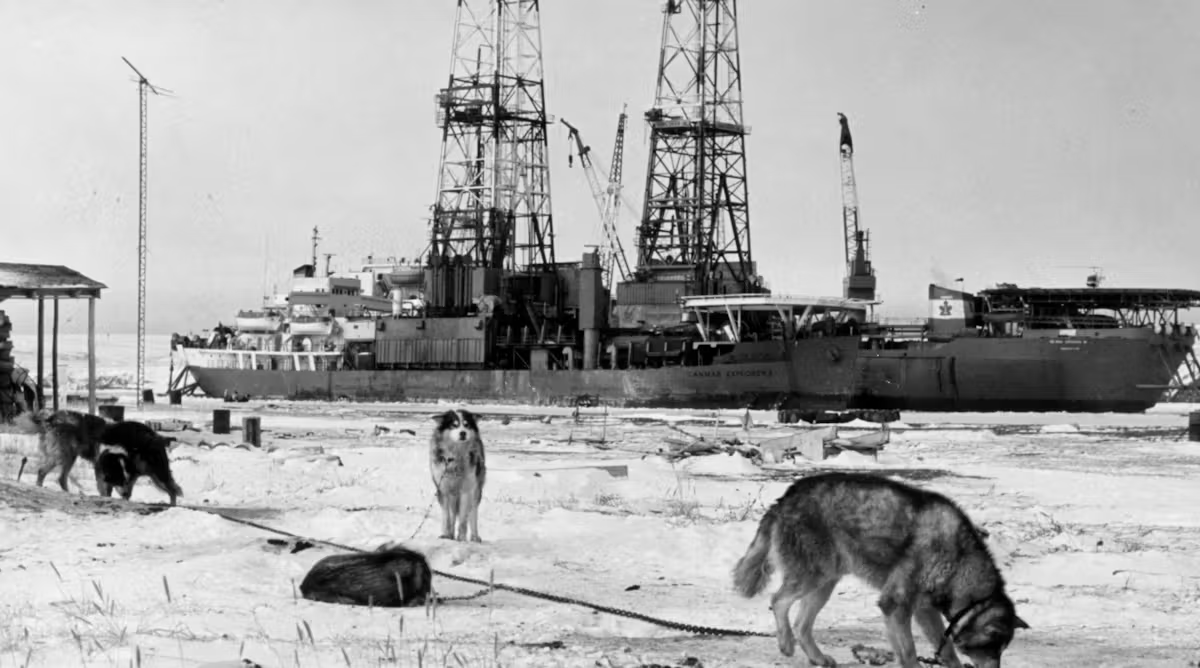
According to two University of Manitoba researchers, Canada's history of Arctic offshore oil and gas projects is largely a history of failed attempts. Projects have foundered due to a combination of climate, geography, and ecological risk. Moving oil and gas from Arctic waters to southern refineries and markets is hugely expensive, technically complex, and carries significant environmental risk. Uncertainty around jurisdiction and local community benefits further complicates the viability of Arctic oil and gas production.
Previous proposals responded to geopolitical pressures. The 1973 oil embargo and Arab-Israeli War prompted the Berger Inquiry into the Mackenzie Valley pipeline. The 1979 Iranian Revolution and 2003 invasion of Iraq revived proposals for offshore production in the Beaufort Sea and a Mackenzie Valley natural gas pipeline. In each case, global oil and gas prices dropped before projects began, making production commercially unviable.
The researchers note that the current push to lift the moratorium shares characteristics with previous attempts. Geopolitical instability from the Russian invasion of Ukraine and the U.S.-Israeli war against Iran is driving Canadian politicians to again view Arctic hydrocarbons as a crisis response. Projects will likely face the same economic, environmental, and political barriers that have blocked development before. The last well drilled in the Beaufort Sea was in 2006.