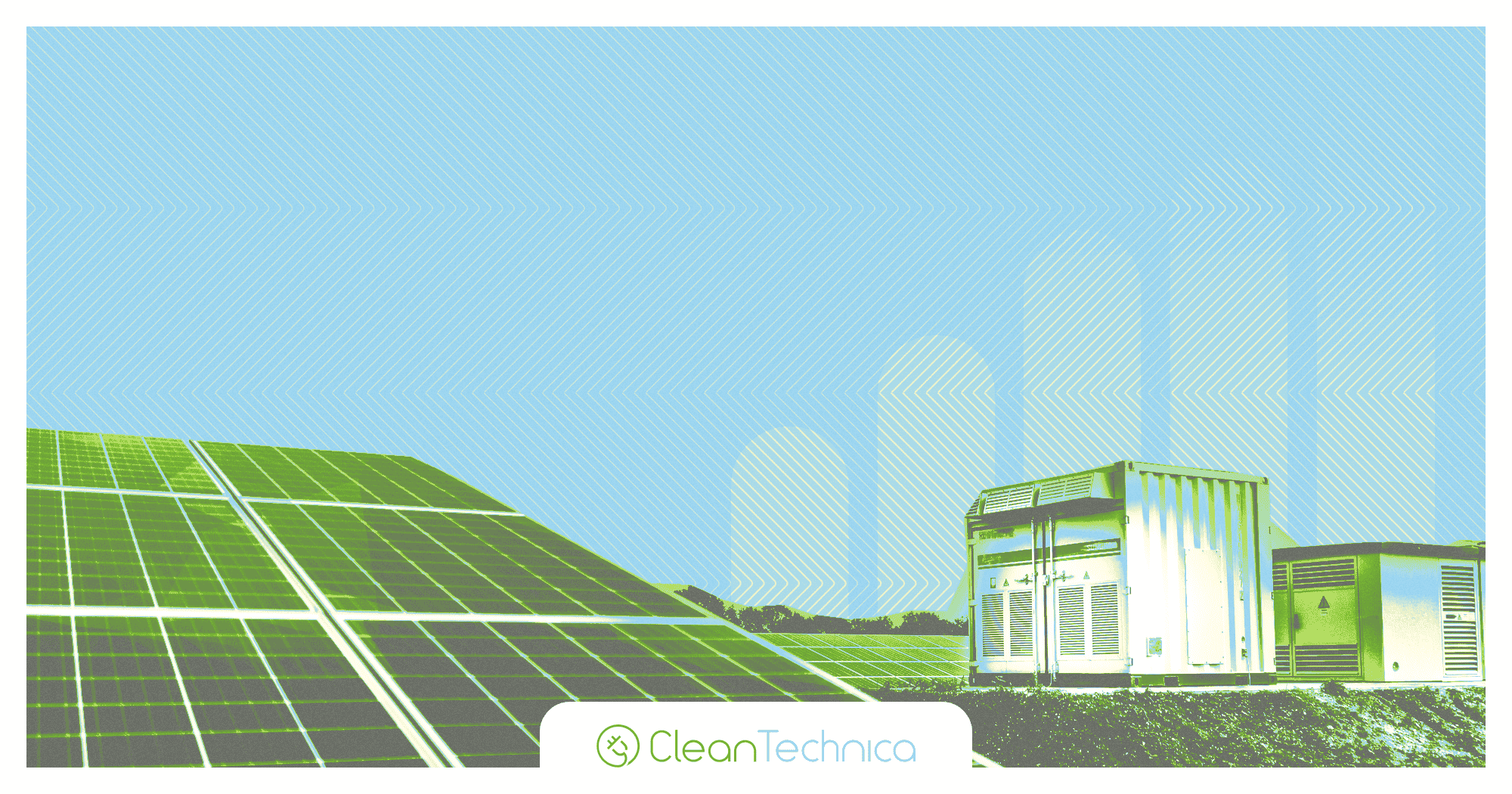
The U.S. energy storage industry installed 14.3 gigawatt-hours of new capacity in the third quarter of 2026, bringing total installations in the first nine months of that year to 48.3 GWh, according to the U.S. Energy Storage Market Outlook released by the Solar Energy Industries Association and Benchmark Mineral Intelligence. Cumulative U.S. energy storage capacity installed has now exceeded 200 GWh.
Texas led utility-scale storage deployment through Q3, adding 12.3 GWh. Arizona followed with 7.7 GWh and California with 6.8 GWh. Recent analysis shows that rapid growth in solar and energy storage helped drive down average wholesale electricity prices by 42% in Texas and 51% in California from summer 2021 to summer 2026.
U.S. installations rose 20% year over year through the first nine months of 2026. Utility-scale projects accounted for 12.2 GWh of Q3 installations, with commercial and industrial storage at 1.3 GWh and residential storage at 746 megawatt-hours.
Eleven states surpassed their previous annual energy storage installation records in Q3, even with three months remaining in 2026. These states were Colorado, Massachusetts, Utah, Michigan, Georgia, Mississippi, Virginia, Iowa, Montana, Alabama, and Illinois.
U.S. battery cell manufacturing capacity increased to 92.4 GWh, a 50% increase. A new battery cell manufacturing facility opened in Tennessee in July and another opened in Indiana in October.
The report increased its 2030 cumulative U.S. deployment forecast by 3.7% to 708 GWh across grid and behind-the-meter storage.