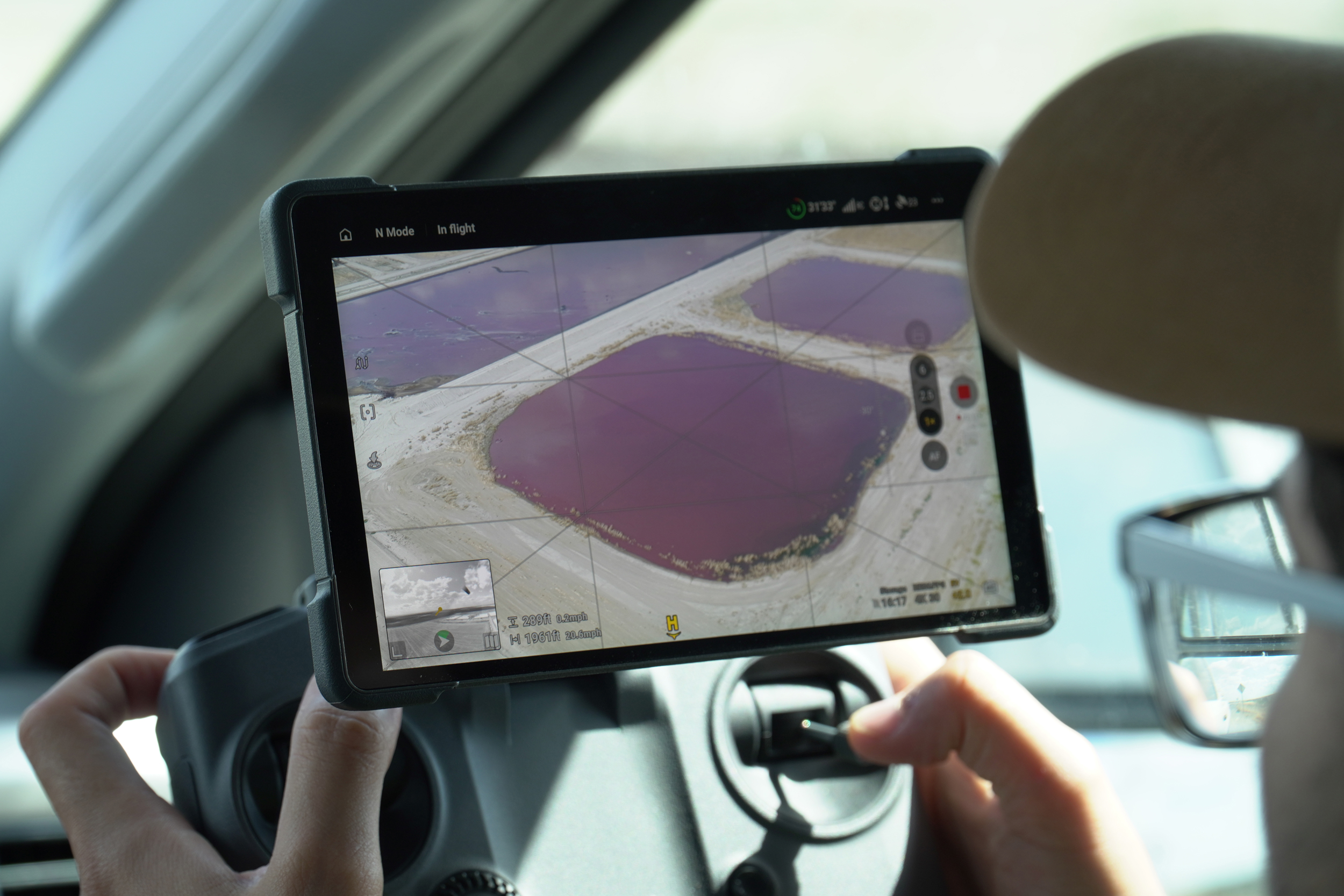
California's San Joaquin Valley, home to over 1,000 dairy farms, faces a serious flood risk this winter from an El Niño forecasted to be the strongest in over a millennium. Manure lagoons on these farms store cow waste and can overflow during heavy rainfall, releasing contaminants including chloride, nitrogen, and pathogens into soil and water.
The current El Niño will ramp up heading into December. Models predict most of California will receive at least 150 percent of normal rainfall. J. Pablo Ortiz-Partida, director of innovation and collaboration at the Union of Concerned Scientists, warned that overflow from manure lagoons could contaminate drinking water and spread manure sludge through rural communities. He noted that even without flooding, lagoon pools have already contaminated groundwater and air in some areas.
Three years ago, atmospheric rivers forced the evacuation of hundreds of thousands of cows from San Joaquin Valley dairy farms. How overflow from manure lagoons impacted nearby rural communities during that event was never fully documented.
Justin Leyendekker, a 36-year-old dairy farmer who runs Hoppy Cows Dairy in Kingsburg with about 2,000 cows, said the 2023 flooding gave his operation "weak points" to address. He aims to drain his waste lagoon, which fills to roughly 15 feet deep, as low as possible before the season.
The Central Valley Regional Water Quality Control Board requires dairies to submit reports if waste discharge could threaten human health or the environment. Scott Hatton, supervising water resource control engineer for the board, said the dairy industry has released preparedness guidelines. The board encourages operators to review storm and flood preparation plans.
Deanne Meyer, a livestock waste management specialist at UC Davis, said farmers should ensure channels are clear of debris and that pumps are serviced. Experts recommend confirming that above-ground ponds have space for levels to rise at least 2 more feet and in-ground ponds can rise 1 more foot.