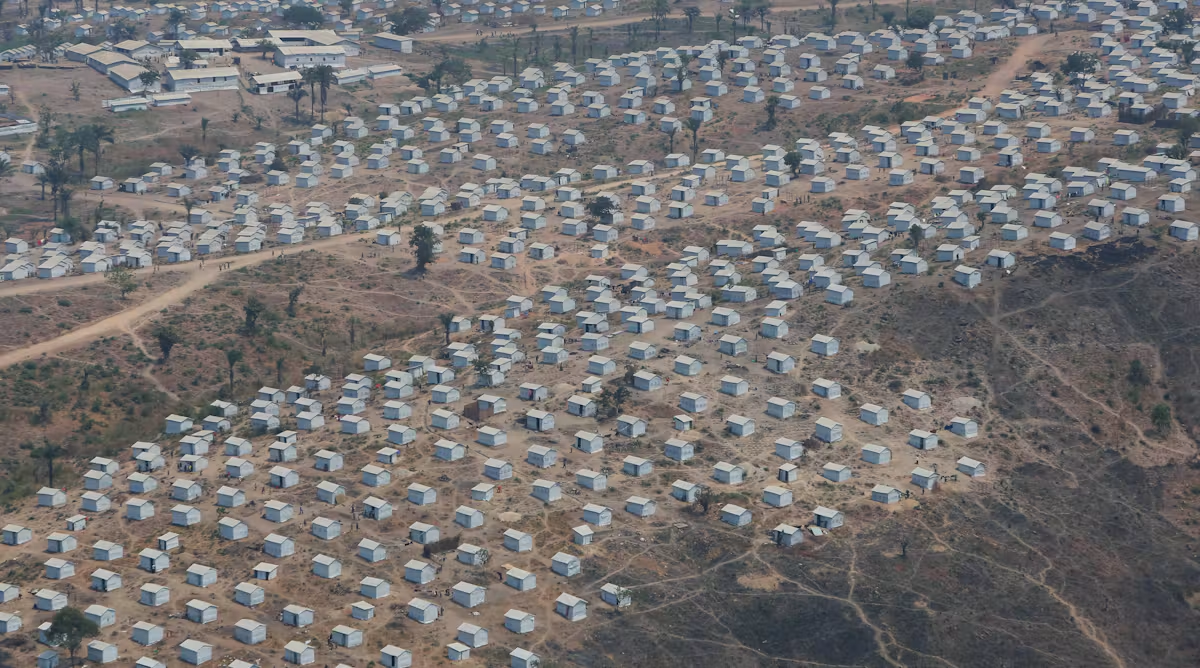
Burundi's repatriation of refugees has accelerated under a tripartite UN-backed agreement first signed with Tanzania in 1998 and reactivated in December 2025. Between January and August 2026 alone, 96,602 refugees returned from Tanzania, and the Nduta and Nyarugusu refugee camps closed progressively. More than 1.1 million Burundians have sought refuge abroad over the past two decades, primarily in Tanzania, following cycles of political violence that began with the 1993 assassination of President Melchior Ndadayé and intensified after a 2015 election-related political crisis.
Burundian and neighboring host country authorities, including Tanzania, Uganda and Kenya, have pressured refugees to return. In Tanzania, authorities reduced humanitarian aid, limited healthcare and education access, and carried out forced repatriation to encourage returns, raising questions about whether these movements are truly voluntary.
Research based on 23 interviews with returnees, focus group discussions and participant observation in Burundi during 2024 and 2025 found that returnees navigate return carefully through strategic silence about their displacement. One returnee disclosed his 2015 flight only to a Tutsi friend while in exile but avoided the subject with fellow Hutus, fearing they would question why he left. Another second-generation returnee adjusted her accent to avoid sounding like an outsider. Some returnees encountered suspicion or surveillance risk if they had opposition affiliations or were exiled during the 2015 political crisis.
Returnees face limited access to employment, housing and essential services, concerns about deteriorating human rights, and risk of renewed displacement. The researcher, a PhD candidate at KU Leuven's Centre for Research on Peace and Development, concludes that silence functions as a form of political agency through which returnees negotiate their place in an evolving social order, shaping what experiences enter public life and informing decisions about whether to stay or leave again.