A new study found that dry climate conditions drive high nitrate concentrations in rivers even in sparsely populated areas with little farming or urban development. Researchers combined data from more than 7,000 monitoring sites globally and used machine learning to estimate nitrate levels across nearly 2.9 million river segments worldwide.
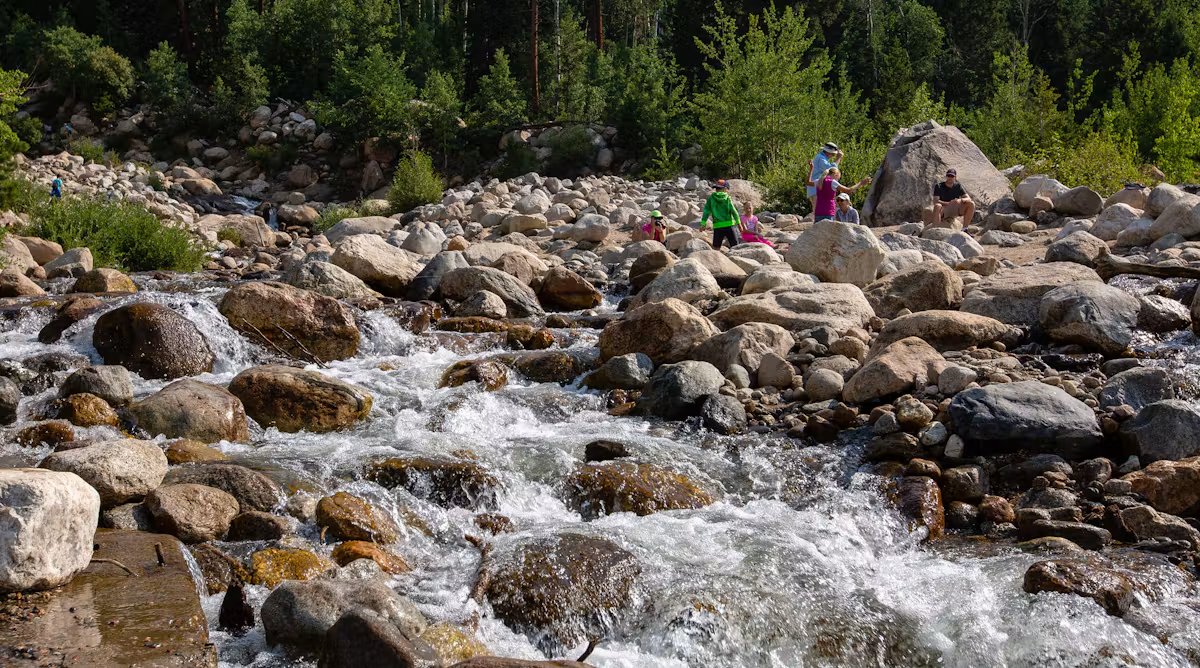
The analysis identified nitrate hot spots in unexpected locations, including the Rocky Mountains and the Sahara Desert. In dry regions, nitrates that naturally leach from soil as microbes break down organic material accumulate rather than being diluted or flushed away by water flow.
The study estimates that about 37,000 people worldwide live in areas where rivers exceed the U.S. drinking water standard of 10 milligrams of nitrate-nitrogen per liter, predominantly in the U.S. Corn Belt. About 480 million people live in areas where nearby rivers have elevated long-term average nitrate concentrations above 2.5 milligrams per liter.
High nitrate exposure is particularly dangerous for infants, causing a condition called methemoglobinemia or blue baby syndrome that interferes with blood's ability to carry oxygen. Research has also raised concerns about possible effects of long-term exposure to nitrate at lower concentrations, including certain cancers and adverse birth outcomes, though those risks are still being studied.
Many rivers identified as having elevated nitrate levels are small headwater streams that often cease flowing during dry periods. These small streams comprise most global river networks but have been overlooked in monitoring efforts. Conventional water treatment removes little nitrate, and specialized removal technologies can be costly to operate.
The authors note that a global map of river nitrate concentrations cannot show actual tap water exposure, since river water may be mixed with other sources or treated before delivery. The study raises questions about how nitrate concentrations will change if regions become drier due to climate warming.