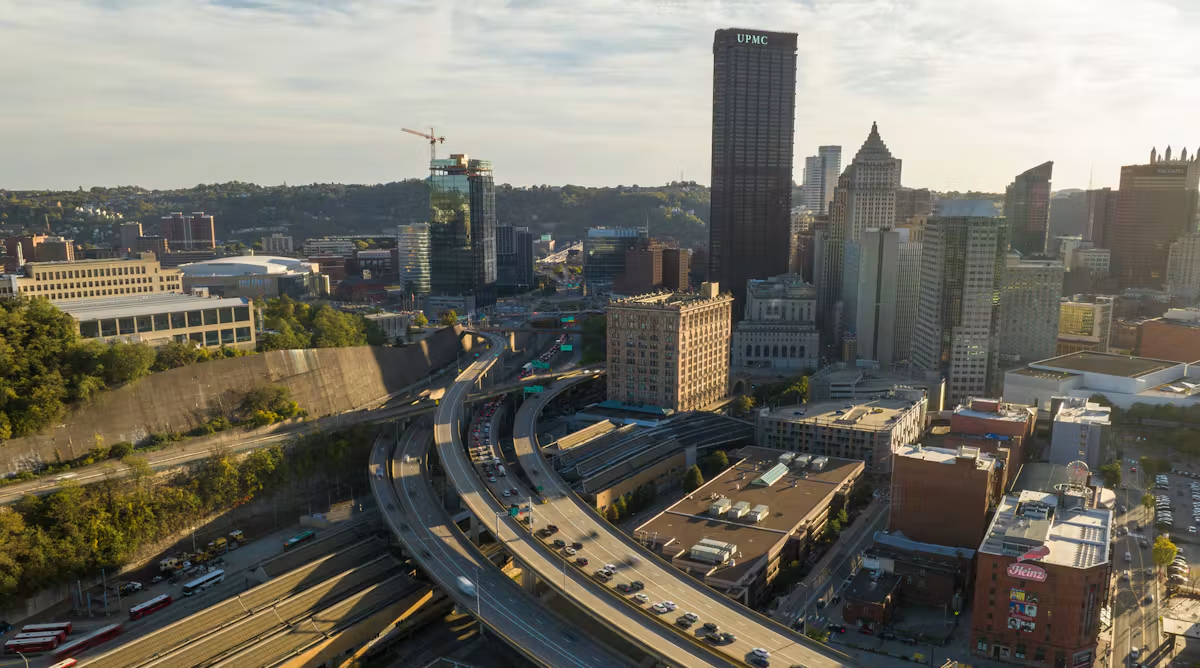
Allegheny County, home to Pittsburgh, operates 827 automated license plate readers, more than any other Pennsylvania county. These cameras, often mounted on poles at intersections and highway ramps, photograph every passing vehicle and record its plate, make, color and location in searchable databases that police access to check against lists of wanted vehicles.
The technology has sparked a privacy debate. In the borough of Munhall near Pittsburgh, residents petitioned to remove two Flock cameras on Main Street. Pennsylvania lawmakers from both parties have proposed at least nine bills ranging from an outright ban to warrant requirements. In October the state House passed a bill that would limit camera use and how long data is kept.
A 2026 study of 216 law enforcement agencies found that after they installed fixed plate-reader networks, car thefts fell relative to other property crimes and more theft cases were resolved by arrest. In Atlantic City, New Jersey, a major expansion of plate readers was associated with fewer shootings, car thefts and property crimes, though it did not reduce violent crime overall.
Critics warn that the cameras can map people's daily lives with little oversight. The Electronic Frontier Foundation reported that agencies across the country searched Flock's network hundreds of times in connection with protests over a single year. In Pittsburgh, plate-reader data feeds into the police bureau's real-time crime center.
Proposed legislation varies. State Sen. Dan Laughlin, an Erie Republican, would ban the cameras outright. U.S. Rep. Pat Harrigan proposes requiring police to obtain a warrant before searching plate-reader data. The House-passed bill allows cameras but limits their uses and data retention periods, and would require agencies to adopt audit policies.