Pennsylvania reported more than 1,400 confirmed measles cases and six deaths in 2026, marking the state's worst outbreak in over three decades, according to statistics compiled by the state Department of Health.
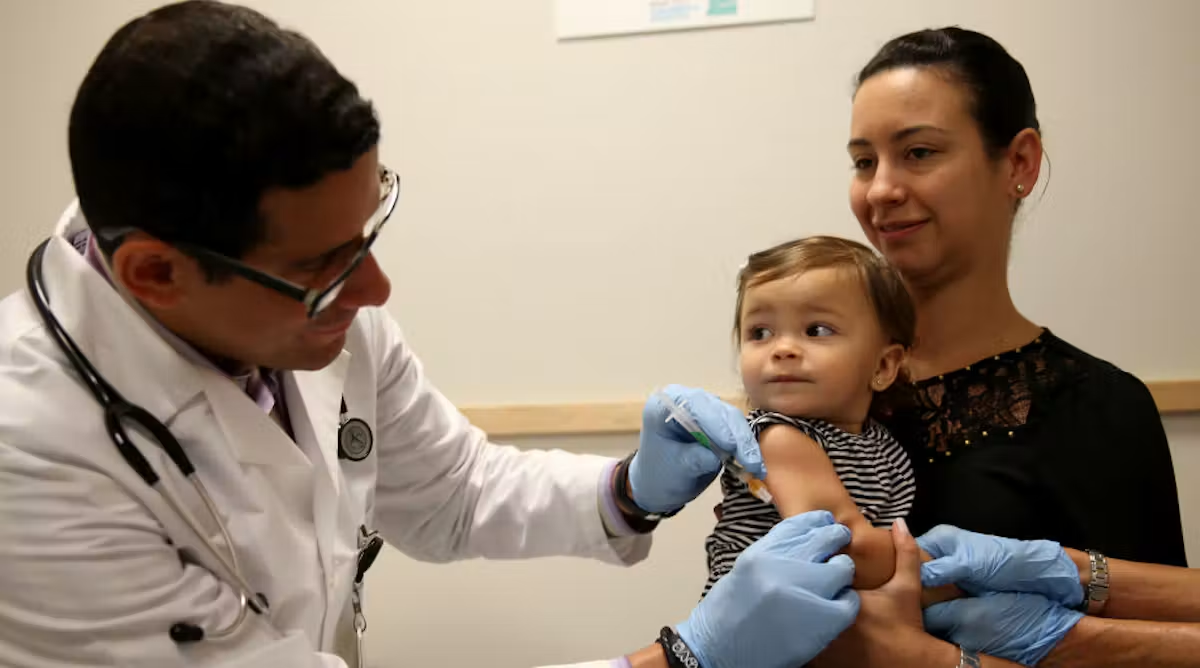
Public health alerts advise people exposed to measles to verify their MMR vaccine status and watch for symptoms over three weeks. Two doses of the measles, mumps and rubella vaccine provide 97% lifetime protection against measles, meaning fewer than 3% of vaccinated individuals are likely to contract the disease even without herd immunity.
Four of Pennsylvania's confirmed cases occurred in vaccinated people, known as breakthrough infections. The MMR vaccine is given in two doses, typically at 12 to 15 months and 4 to 6 years old. Adults with documented vaccination records do not need boosters. People vaccinated between 1963 and 1967 should consult their primary care provider about additional doses, as the vaccine used during that period was less effective than the current MMR vaccine. People born before 1957 are generally considered immune because measles was widespread then.
Measles spreads through the air and respiratory droplets. A single case can infect up to 18 susceptible people. The virus survives in the air for up to two hours and on surfaces for up to two hours.
Symptoms include high fever reaching 105 degrees Fahrenheit, cough, runny nose and conjunctivitis. Most people develop a red, blotchy rash starting on the face. Koplik spots, tiny white spots inside the mouth, may appear a day or two before the rash. About 1 in 20 people with measles develop pneumonia, and up to 3 in 1,000 cases result in death. Children younger than 5 and adults older than 20 face the highest risk of severe complications.
For herd immunity, about 95% of people must be immune. In Allegheny County, 93.8% of children are fully vaccinated against measles, though some neighborhoods fall below 95% and others exceed 97%. The state Department of Health reports community spread in 14 of Pennsylvania's 67 counties. Without herd immunity in many communities, cases and deaths are likely to continue rising.