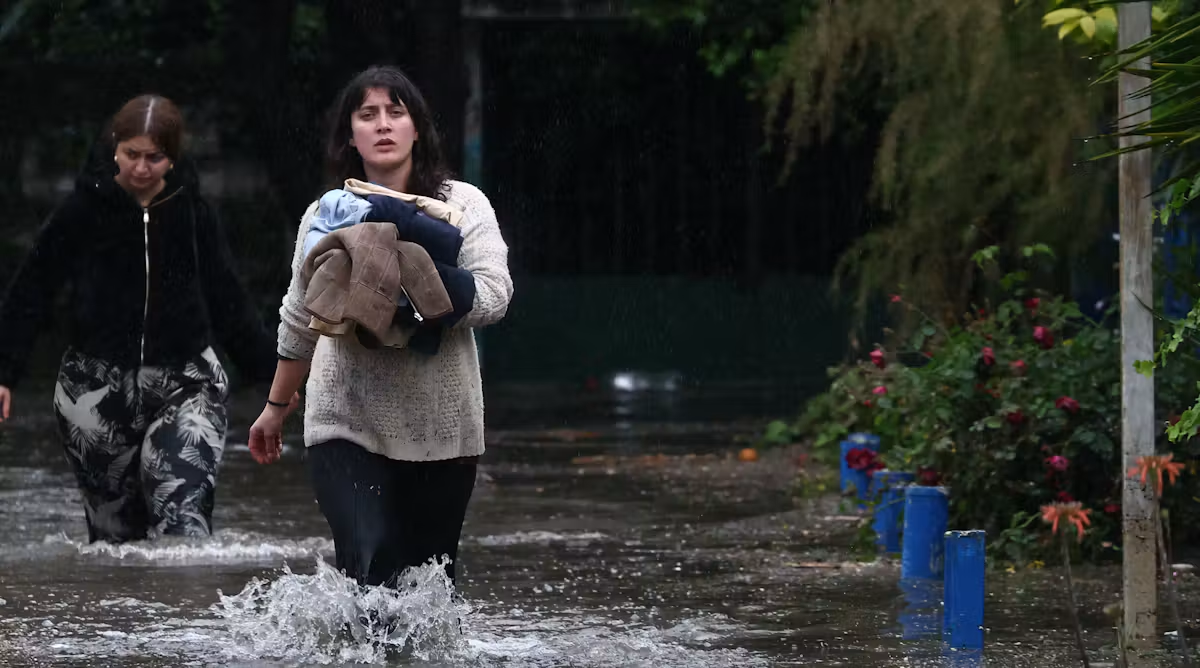
A powerful El Niño expected in late 2026 and early 2027 will bring serious health risks alongside extreme weather, and communities can reduce harm through early warnings tied to actionable health advice.
El Niño shifts global weather patterns for months. During these events, global temperatures rise and trigger heat waves. Normally dry regions face flooding rainfall, while normally wet regions experience droughts. All carry health consequences.
Southern Africa forecasters warn of severe drought threatening the 2026-27 growing season in key farming regions. The Horn of Africa faces wetter-than-normal conditions that raise risks of flooding and mosquito-borne disease outbreaks. Southeast Asia already sees wildfires and falling water supplies from dry conditions. October downpours in Chile triggered mudslides. In the United States, the South tends to be wetter than normal during El Niño years, drought is more likely in the Northern Plains, and storms intensify along the Pacific Coast.
Extreme weather events carry health consequences beyond immediate hazards. Research links exposure to flooding, wildfires and ecosystem changes with elevated risks of illnesses, psychological distress and chronic stress. Floodwater can cause infections including hepatitis, cryptosporidium and fungal diseases. Drought can degrade air quality and contribute to malnutrition. Disasters disrupt access to healthcare, livelihoods and social networks. The World Health Organization identifies anxiety and post-traumatic stress as mental health consequences.
People with existing illnesses face elevated risks. At least 2.5 million Americans rely on electricity-powered medical equipment like oxygen concentrators and ventilators. Rural Americans live an average of 10.5 miles from the nearest hospital, and for 1 in 4 rural residents, the trip takes more than 30 minutes on average before roads flood.
Communities can prepare by identifying where disruptions could become public health emergencies, protecting continuity of clinical care during disasters, and ensuring weather warnings provide actionable information such as locations for safe water, food, transportation and mental health support. Because El Niño signs can be detected months in advance, forecasts offer extra time to secure medical care and prepare useful warnings for residents.