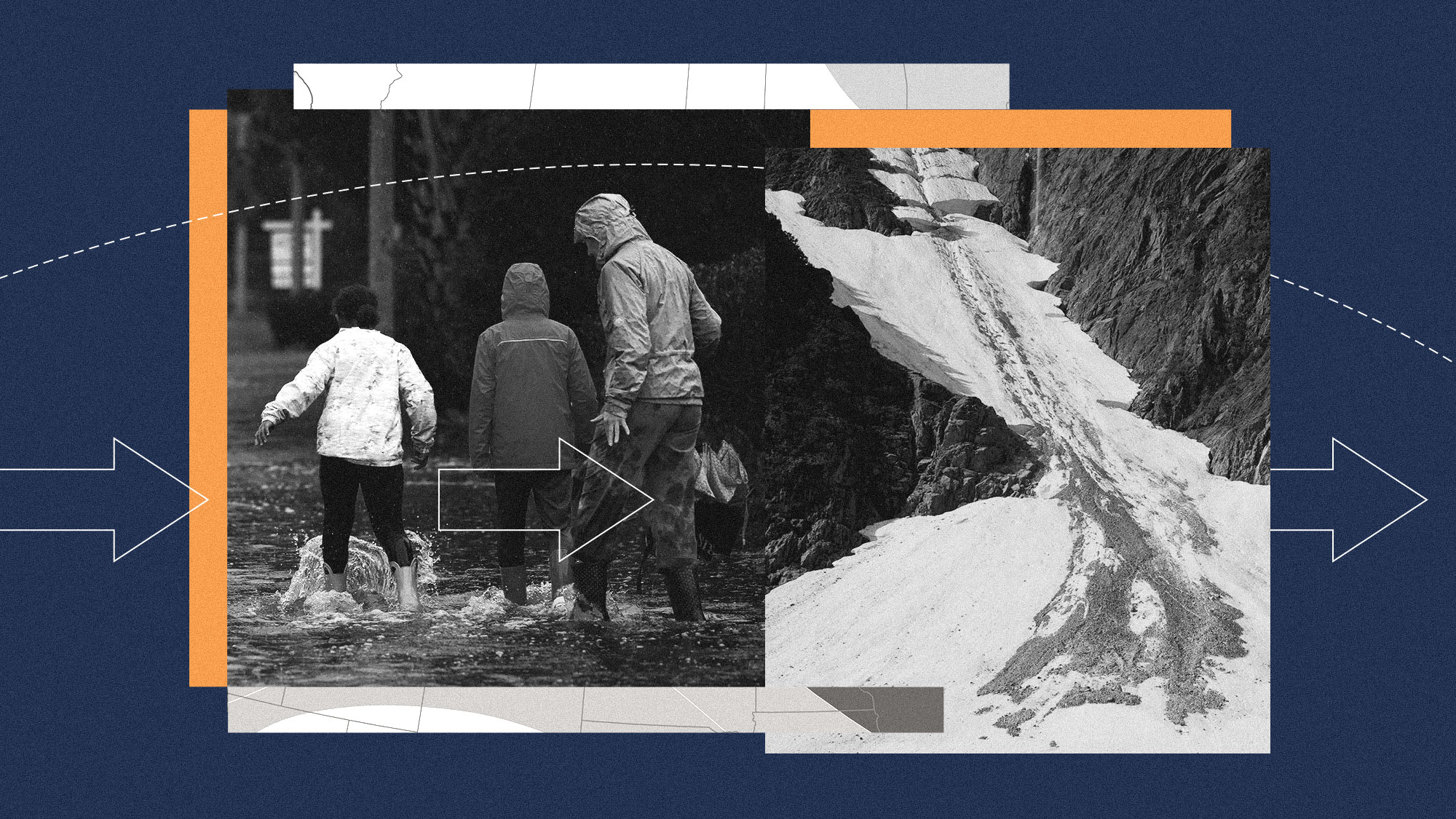
El Niño, a natural warming of Pacific waters that occurs every three to five years, has reached record strength and may not peak for one to two months. The phenomenon raises ocean surface temperatures by a few degrees and channels enormous energy into the atmosphere.
Art Miller, a climate scientist at the Scripps Institution of Oceanography, explained that "the ocean has a lot of heat content — 1,000 times more ability to hold heat than the atmosphere — so slight changes in the ocean surface temperatures can actually do a lot for the atmosphere."
Scientists estimate the additional heat from this El Niño event could kill around 450,000 people worldwide. Effects will be global and uneven. Drought is affecting the Amazon rainforest while extreme rainfall strikes the Greater Horn of Africa. The polar vortex, which periodically brings frigid air to the eastern and central United States, interacts with El Niño in ways that can further scramble weather patterns.
Some research suggests rising temperatures have led to stronger El Niño events, though scientists are still determining how climate change influences the phenomenon. The current event's temporary warming offers a preview of conditions expected as planetary temperatures rise over the next two decades.