The U.S. National Oceanic and Atmospheric Administration (NOAA) has declared a greater than 83 percent probability of strong to very strong El Niño conditions during January to March 2027. Scientists worry about the unprecedented rate of surface warming accompanying this natural climate phenomenon.
Historical El Niño events in 1982-83, 1997-98 and 2015-16 caused extreme flooding in some regions, severe drought in others, and widespread disruption to ecosystems and economies.
A strong El Niño could strain energy and health systems simultaneously, according to authors writing in The Conversation. The phenomenon can trigger milder winters, altered precipitation and reduced mountain snowpack, which diminish spring runoff and hydroelectric inflows. Extreme summer heat often coincides with periods of low wind output. Solar power loses roughly 0.4 percent capacity for every degree above 25 degrees Celsius, and dims further under wildfire smoke.
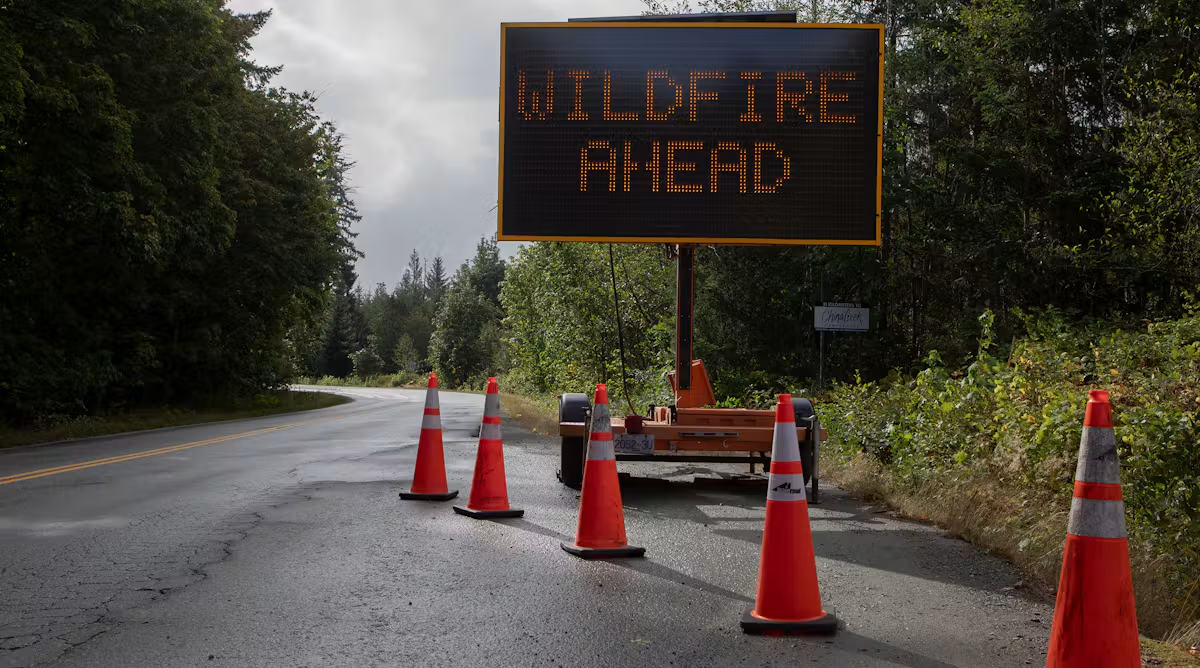
Canada's health-care system already operates over capacity on normal days. Wildfire smoke has contributed to 1,900 premature deaths annually and 18 billion dollars in costs in Canada. During the 2023 wildfires, Ontario asthma-related emergency visits increased by 23.6 percent. The 2021 British Columbia heat dome led to more than 619 deaths, primarily among the elderly and those who lived in under-resourced communities.
The authors describe scenarios where hospitals face simultaneous overload from respiratory illness, heatstroke and delirium while electricity grids strain from air conditioning demand. They note that energy poverty and heat-related illness concentrate among the same populations least able to afford cooling, air filtration or backup power.
The authors call for securing backup power, funding cooling centres, bolstering critical supply chains and identifying patients whose health depends on the grid before emergency conditions arrive.