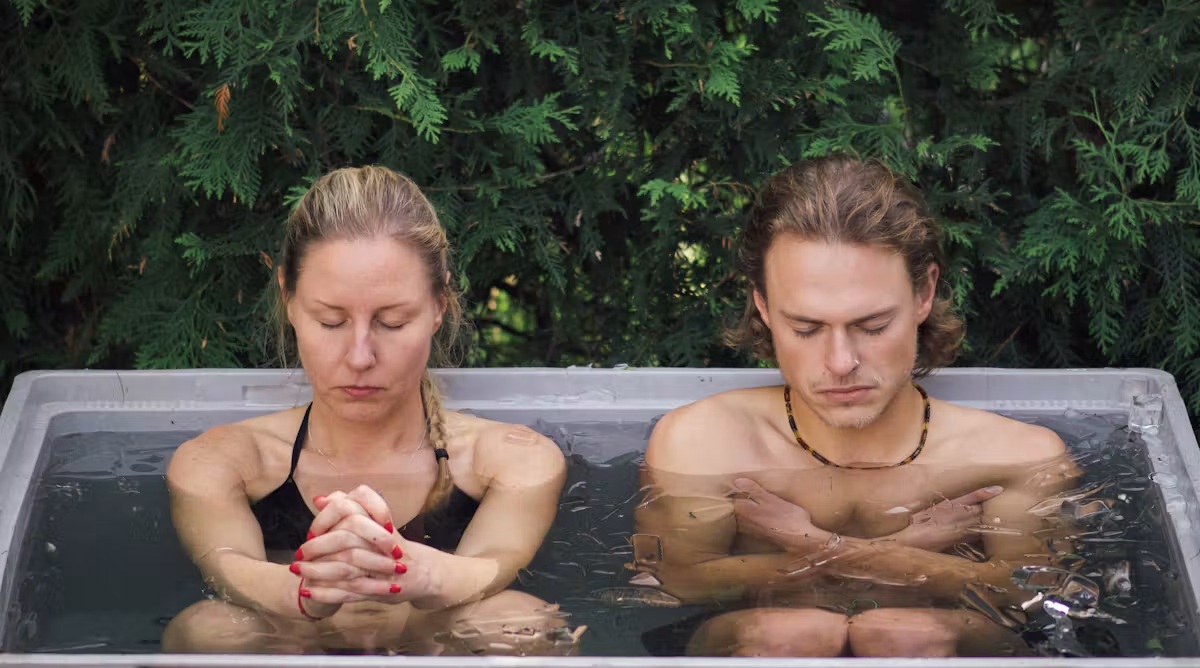
Researchers at the University of East London compared four recovery methods after exercise-induced muscle damage. Forty healthy, physically active adults performed targeted quadriceps exercises, then underwent cold-water immersion (10°C), hot-water immersion (42°C), hot air exposure (60°C), or passive recovery (sitting for 30 minutes).
Over 72 hours, the team measured muscle strength, soreness, and biological markers including inflammation and cellular stress. None of the recovery methods restored muscle strength significantly faster than the others. All participants showed expected muscle damage, with strength declining immediately after exercise.
However, the physiological data differed by method. Participants who completed hot-water immersion showed higher levels of heat shock protein 72 (HSP72), described as a cellular maintenance and protection system that supports repair processes. Heat-based recovery methods were also associated with more favorable changes in biological markers linked to muscle damage and inflammation.
Cold-water immersion showed the slowest recovery, with strength returning to around 82 percent of pre-exercise levels after 72 hours, compared with 88-89 percent in other groups. Cold-water immersion was not shown to improve any recovery markers measured.
Yet cold-water immersion appeared more effective at reducing perceptions of muscle soreness. The researchers noted that feeling recovered and being physiologically recovered are not always the same thing.
The study involved just ten participants per intervention group. The findings suggest that if the priority is reducing soreness after a workout, cold-water immersion may be most beneficial. If the goal is to stimulate biological repair processes, heat-based recovery may be a better choice.