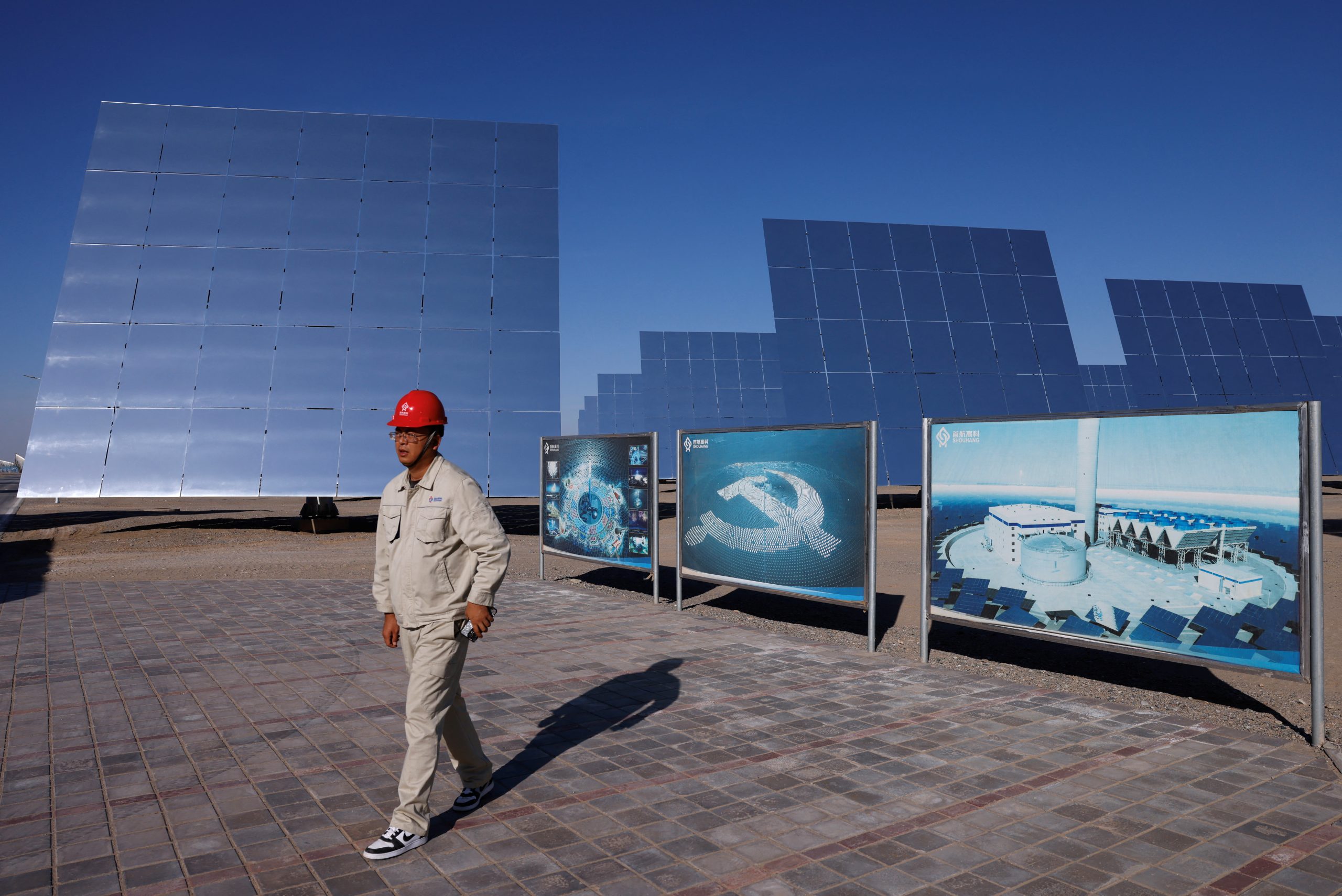
China's clean energy expansion and vehicle electrification shielded the country from economic damage during the Strait of Hormuz closure, according to analysis by the Centre for Research on Energy and Clean Air published Thursday.
When oil and gas stopped flowing through the trade route, China's crude oil imports fell sharply. Yet the disruption did not produce the economic disruption normally expected from such a shock, the report found.
Between March and August, renewable energy and nuclear power avoided fossil fuel imports worth more than $9 billion in China, more than any other country, according to CREA. Electric vehicle adoption displaced 38 million tonnes of oil equivalent in the same period, equivalent to around 13% of China's crude oil imports from the previous year.
"China remains exposed to imported fuels, particularly where oil is used as a chemical feedstock, but reducing fossil-fuel demand already contributes to energy security," said Qi Qin, the report's author.
China's coal-fired power plants also protected against oil and gas supply disruptions. Coal power generation remained broadly flat in the six months following the start of the Iran war, according to the report.
The analysis comes ahead of COP31 climate talks in Türkiye, where accelerating global electrification is set to dominate discussion.