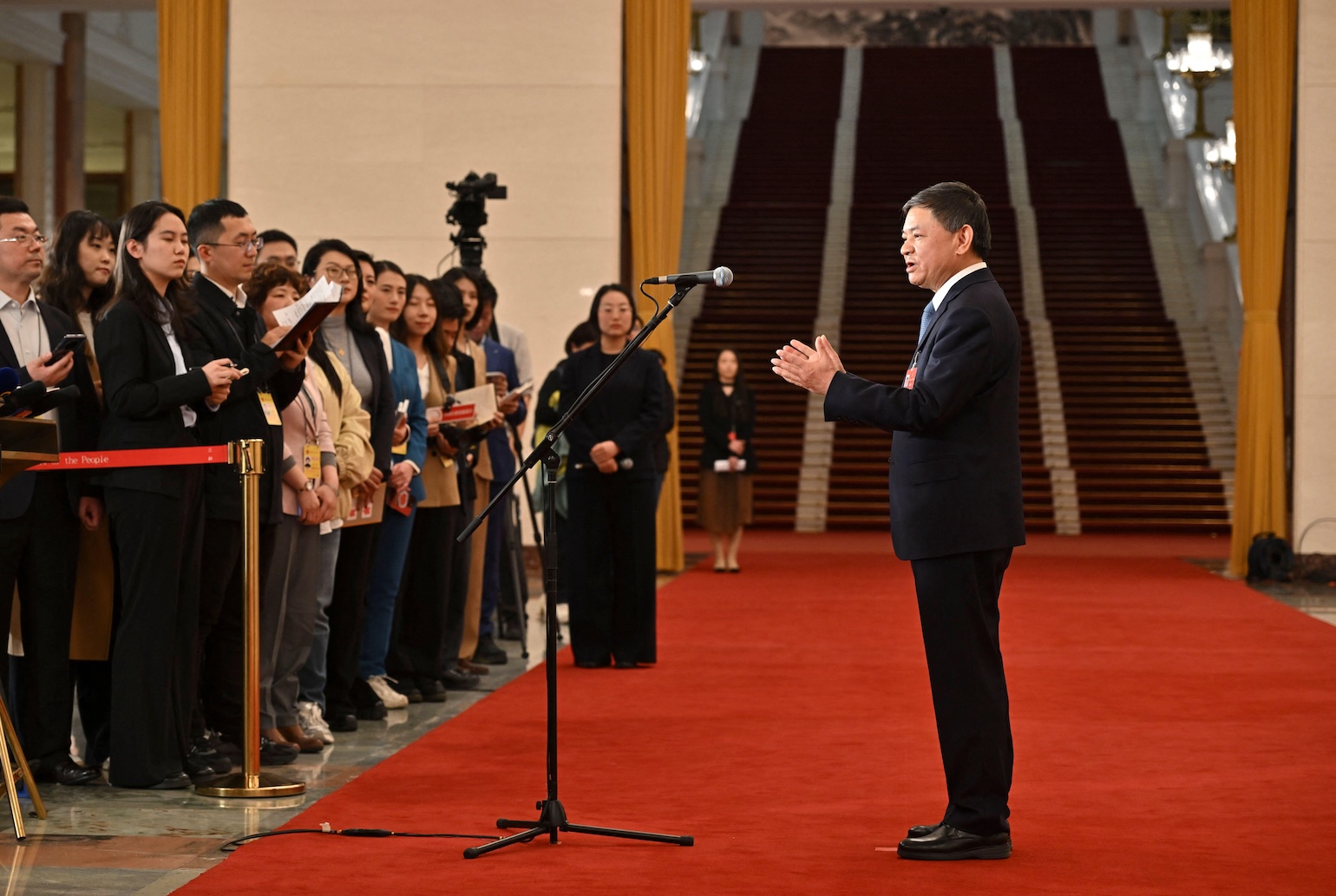
China's environment vice-minister Li Gao said the country will advocate for an "open and efficient" trade system that "facilitates" adoption of clean-energy technologies at the COP31 climate summit in Turkey.
Li also pledged to uphold multilateralism and called for developed countries to reduce emissions and increase financial support for developing nations. At COP30, China secured a two-year work programme on climate finance and co-led a methane summit with Brazil and the UK.
Six climate experts told Carbon Brief what signals they will watch for at COP31. One expert from the Asia Society Policy Institute said China's top priority is upholding multilateralism and expects the country to oppose unilateralism while promoting fair international trade. The expert noted China may push back against tariffs that inhibit global flow of Chinese clean technologies.
An expert from the Institute of Public and Environmental Affairs said China wants multilateral climate cooperation translated into action, particularly clearer delivery of climate finance for developing countries and reductions in methane.
A Greenpeace East Asia advisor said Beijing's five-year plan on climate action calls for proper handling of climate-trade issues and free flow of low-carbon products. The advisor will watch how China responds to the COP presidency's electrification initiative, noting Beijing views climate diplomacy through clean-energy diplomacy but likely remains reluctant to link electrification targets to commitments on transitioning away from fossil fuels.
A University of Maryland researcher said China has strong interests in implementation and delivery, and may open space for increased leadership on transitioning away from fossil fuels as the country reaches its coal and oil peak.
An Institut Montaigne fellow said China will likely seek recognition as a climate leader while defending its position as the world's cleantech manufacturing hub amid growing trade tensions.
A Johns Hopkins professor noted China's firms have made solar, batteries and electric vehicles cost-competitive with fossil alternatives, but the country seems more interested in fighting tariffs on these products than demonstrating their effectiveness at home.