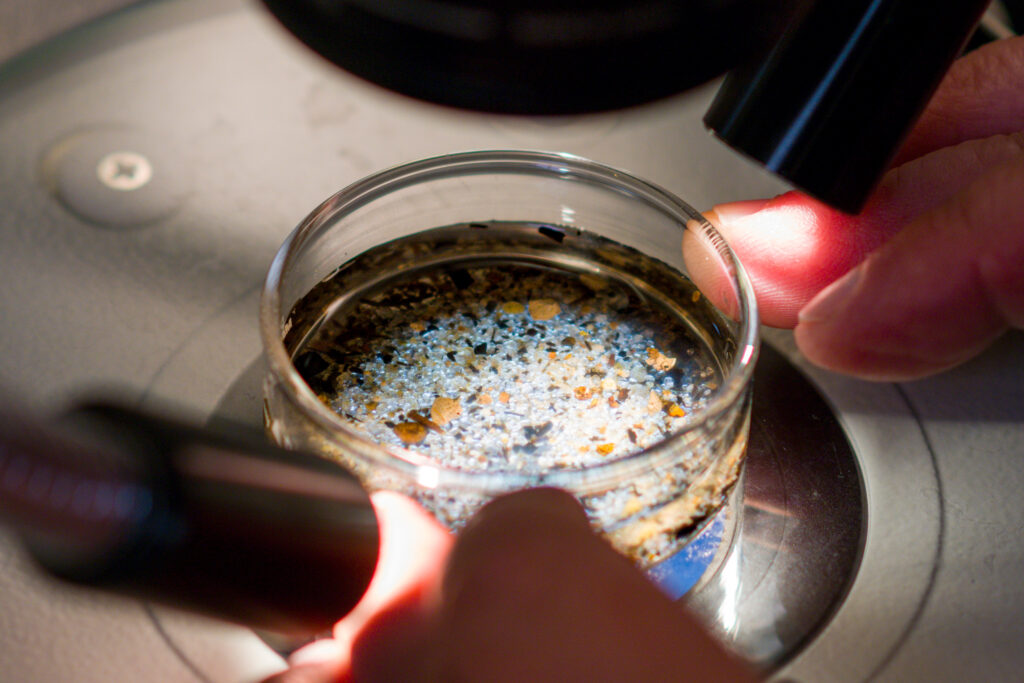
A study published in Nature found that microplastics are not chemically inert as previously assumed. When microplastics contact water, they generate free radicals, unstable molecules linked to inflammation and disease in the human body. Microplastics have far more surface area relative to their volume than larger plastic pieces, creating conditions for chemical reactions.
Dr. Leonardo Trasande, a pediatrician who directs the NYU Center for the Investigation of Environmental Hazards, explained that the conventional understanding held microplastics would pass through the body without interaction. The new research shows microplastics increase inflammation, which underlies cardiovascular disease and other conditions.
Trasande cited a study published in the New England Journal of Medicine that examined carotid arteries in patients undergoing endarterectomy. Polyvinyl and polyethylene microplastic concentrations in artery plaques were associated with a fourfold increase in the combined risk of heart attack, stroke and death.
Microplastics may deliver chemicals to human tissue or cause inflammation through their physical properties alone, Trasande said. He noted that microplastics have already been linked to health concerns including hormone disruption.
To reduce exposure, Trasande recommends using glass and stainless steel containers, avoiding microwaving plastics, consuming fresh fruits and vegetables prepared at home, and replacing nonstick cookware with cast iron or stainless steel. He emphasized consumer activism as a driver of change, pointing to the removal of BPA from baby bottles and sippy cups as an example where consumer pressure led industry and FDA action.