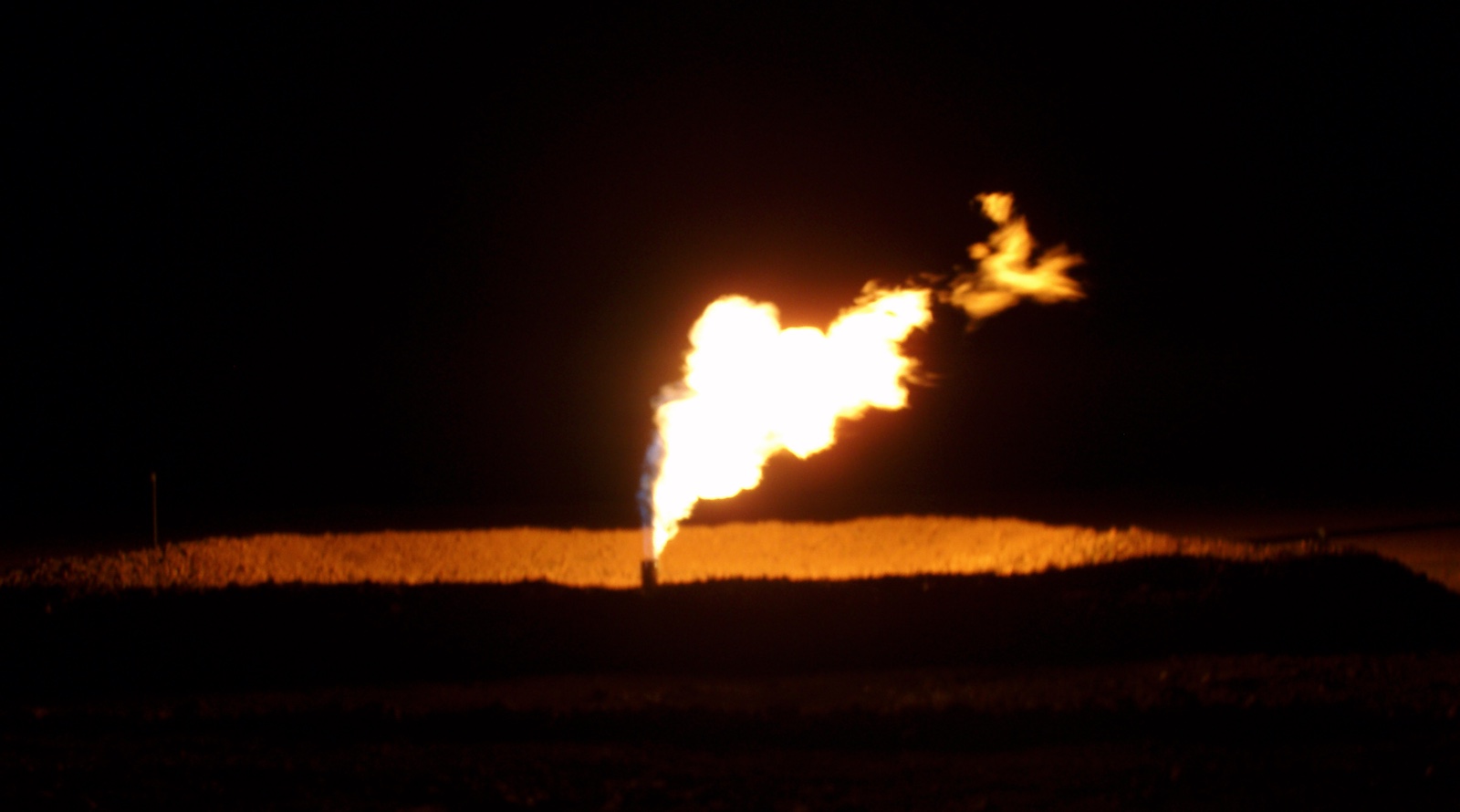
The Trump administration announced plans to roll back methane pollution safeguards finalized in 2024 for the oil and gas sector. EPA Administrator Lee Zeldin revealed the proposal earlier this month during a rally in Texas.
The 2024 Biden-era standards required oil and gas operators to capture or use gas at oil wells rather than flare it, conduct regular inspections to identify leaking equipment, and use zero-emitting electric pumps instead of gas-powered devices. The standards applied to both new and existing equipment.
Soon after taking office in 2025, the Trump EPA suspended key provisions from the standards, delaying enforcement by up to 18 months. The EPA now prepares a proposal to permanently eliminate some safeguards, including the ban on routine flaring at oil wells and a program using third-party monitoring to identify large methane releases called super-emitter events.
The proposal would also exempt low-producing wells from leak monitoring requirements. Nearly one in ten Americans live in counties with over a thousand low-producing wells. These sources represent nearly half of the oil and gas sector's methane emissions and are owned primarily by large, well-resourced corporations.
According to EPA analysis, the 2024 standards were projected to avoid 58 million tons of methane through 2038, along with 16 million tons of volatile organic compounds and 590,000 tons of air toxins.
Methane has more than 80 times the warming power of carbon dioxide over a 20-year period and drives approximately one-third of warming the planet has experienced to date.
Colorado has become the first state to fully adopt the provisions of the 2024 federal methane rules, according to conservation advocates.