Sierra Isley and her girlfriend planned to buy a home in Asheville, North Carolina two years ago but backed out after discovering a lien on the property. One month later, Hurricane Helene flooded their rental apartment basement. The couple survived better than neighbors whose homes were destroyed.
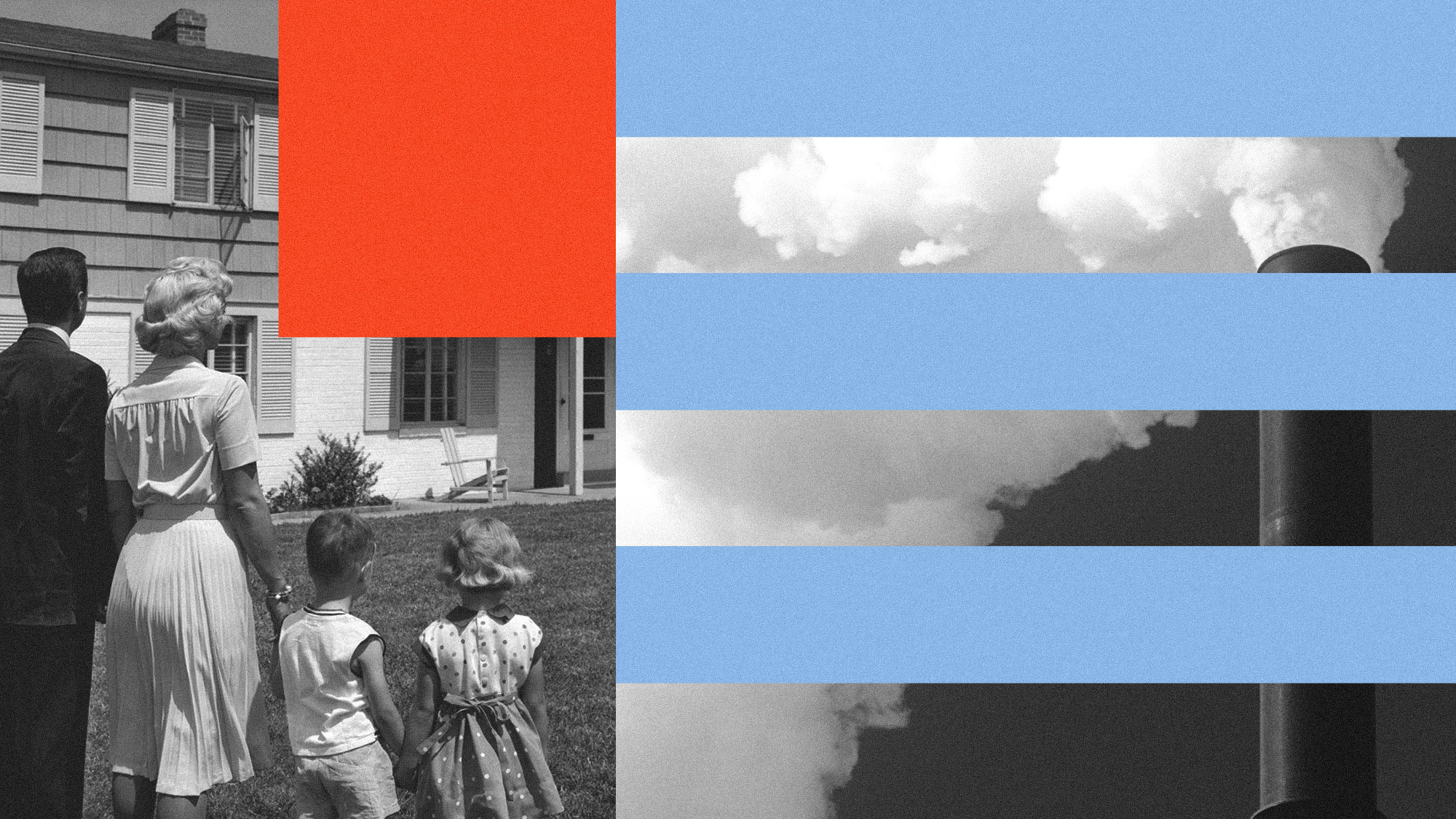
Climate risks now threaten the financial foundation of American homeownership. First Street, a firm specializing in property analysis, projected in a report titled "Property Prices in Peril" that climate risks could reduce the value of American homes by nearly $1.5 trillion by 2055. In western North Carolina after Hurricane Helene, more than 74,000 homes were damaged. Only about 4 percent had flood insurance, leaving $9.5 billion in uninsured residential property losses. Asheville's average home price fell 5 percent over the past year, while the national average rose 1.2 percent.
Polling conducted for Grist by Data for Progress found that 58 percent of likely U.S. voters believe climate change will hinder their ability to achieve the American Dream over the next 20 years. This includes 42 percent of Republicans. People worry that climate change will increase the cost of living.
A 2023 study published in Nature Climate Change found that homes within FEMA's high-risk flood zones sell for 2.8 percent less than they would otherwise. Researchers identified that homes exposed to flood risk were still overvalued by between $121 billion and $237 billion, with Appalachia as a hot spot of overvaluation one year before Helene hit.
Insurance costs have risen sharply. Since 2020, property insurance costs have ballooned almost 80 percent, with the average single-family mortgage holder now paying $209 per month. Homeowners in the riskiest areas pay substantially more, and many in California have been dropped by their insurers. Home insurance rates are rising faster in the Midwest than any other region.
Rebecca Elliott, a sociology professor at The London School of Economics and Political Science, wrote that for some people "the American dream of homeownership may become a nightmare." She noted that homes could become "economically worthless even before they are physically uninhabitable" as more people avoid floodplains, storm-exposed coasts, and wildfire-prone areas. Douglas Heller, director of insurance at the Consumer Federation of America, called insurance "the safety net for the American Dream."
After Superstorm Sandy devastated New York City and the New Jersey coast in 2012, many homeowners could not sell their houses for enough money to buy a new place, leaving them stranded.
Isley now avoids looking at homes near water when browsing for properties online. She moved to Asheville thinking it would be a "climate haven" that would fare better as the world warmed. Almost 14 inches of rain fell on Asheville over three days in September 2024, and the French Broad River overflowed its banks, flooding homes and destroying parts of the town's River Arts District.