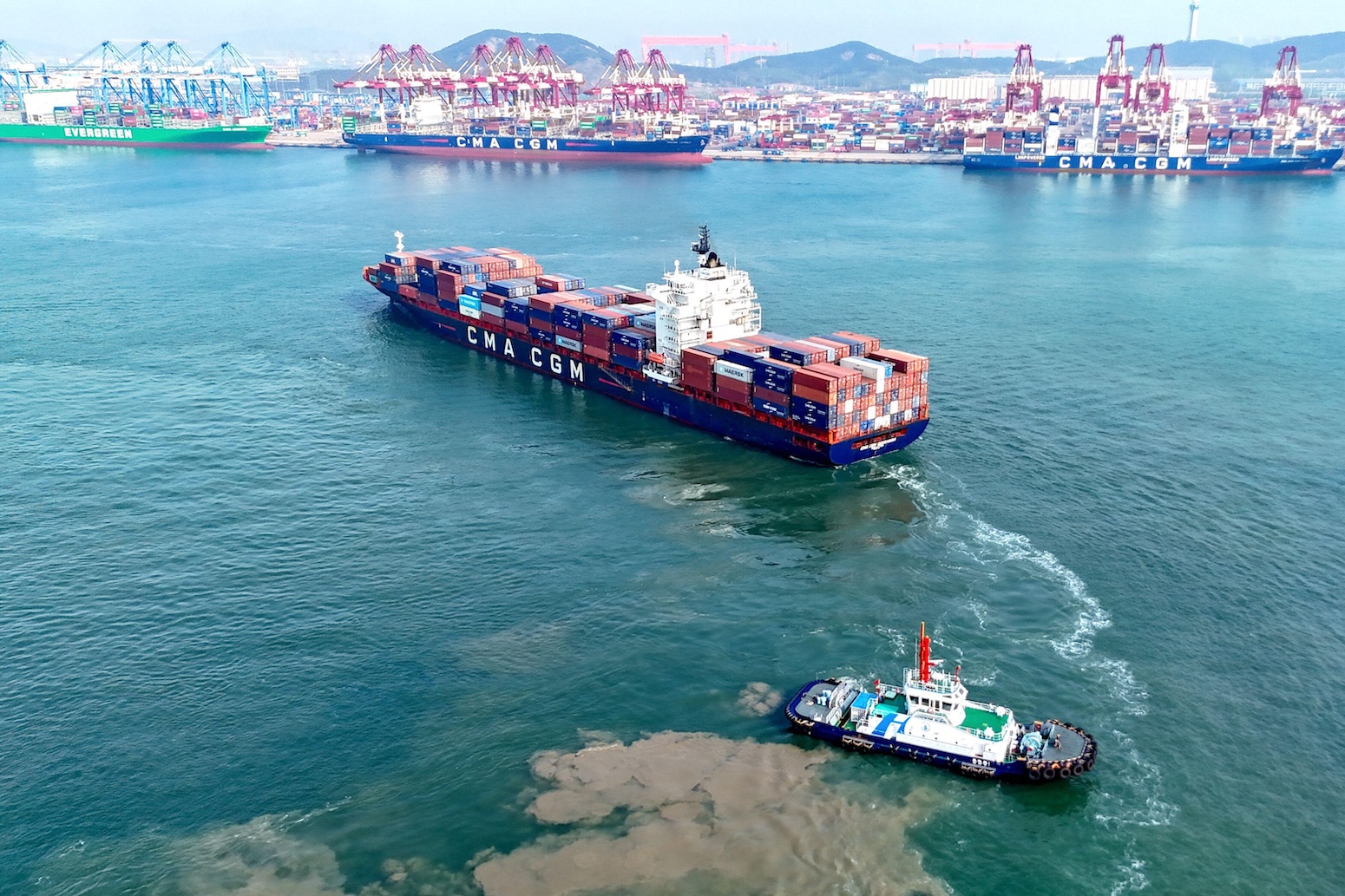
The numbers are staggering and humbling. China's clean-tech exports in 2026 are on track to avoid around 450 million tonnes of CO2 – roughly equivalent to Brazil's entire annual emissions. This achievement didn't happen by accident; it reflects years of investment, manufacturing scale, and strategic positioning that the West has largely ceded. According to Lauri Myllyvirta, lead analyst at the Centre for Research on Energy and Clean Air, the impact of Chinese exports on global carbon dioxide emissions grew by 26% year-on-year in the first three quarters of 2026, having already risen by 36% in 2025. These aren't marginal gains in the global decarbonization effort – they are transformative.
The scale of China's contribution is underscored by the technological breakdown. In 2025, China exported finished solar panels and intermediate products corresponding to 436 gigawatts of generating capacity, plus 8 gigawatts of wind turbines. Together, this equipment generates approximately 720 terawatt-hours of electricity annually across destination countries. For 2026, wind and solar exports alone are on track to generate roughly 800 terawatt-hours – equivalent to the output of around 100 coal-fired power plants. Over their lifetimes, the 2025 solar exports alone will avoid an estimated 6,400 million tonnes of CO2 emissions. This is climate action at scale.
What makes this dominance particularly striking is the geographic reach. In 2025, 73% of lifetime emissions avoided by China's clean-tech exports occurred in global-south countries, which accounted for 87% of year-on-year growth. South Asia leads regional destinations, with strong momentum in south-east Asia as well. Even in the US – despite increased tariffs under the Trump administration – Chinese solar exports rose 13% year-on-year in the first three quarters of 2026. The resilience of this demand reveals an uncomfortable truth: the world wants Chinese clean technology because it works and it's affordable.
The West's response has been protectionist rather than productive. As the analysis notes, reducing reliance on Chinese technology will require scaling up domestic and third-country manufacturing of key technologies to meet resilient global demand. Yet instead of building this capacity, Western nations have imposed tariffs and trade barriers. The US has chosen to slow deployment and discourage imports while offering no viable alternative supply chain. Europe faces similar pressures. Meanwhile, China continues expanding its clean-tech footprint across every continent and nearly every country.
If the West genuinely prioritizes climate action, it cannot continue ignoring this reality. The data shows that China's clean-tech exports are delivering emissions reductions equivalent to taking Brazil's annual carbon output offline. Rather than fighting this trend through tariffs destined to fail, policymakers should focus on what actually works: investing in domestic manufacturing capacity, streamlining permitting for renewable deployment, and accepting that global decarbonization may require cooperation rather than competition. The climate crisis doesn't care about trade wars. Neither should our climate strategy.