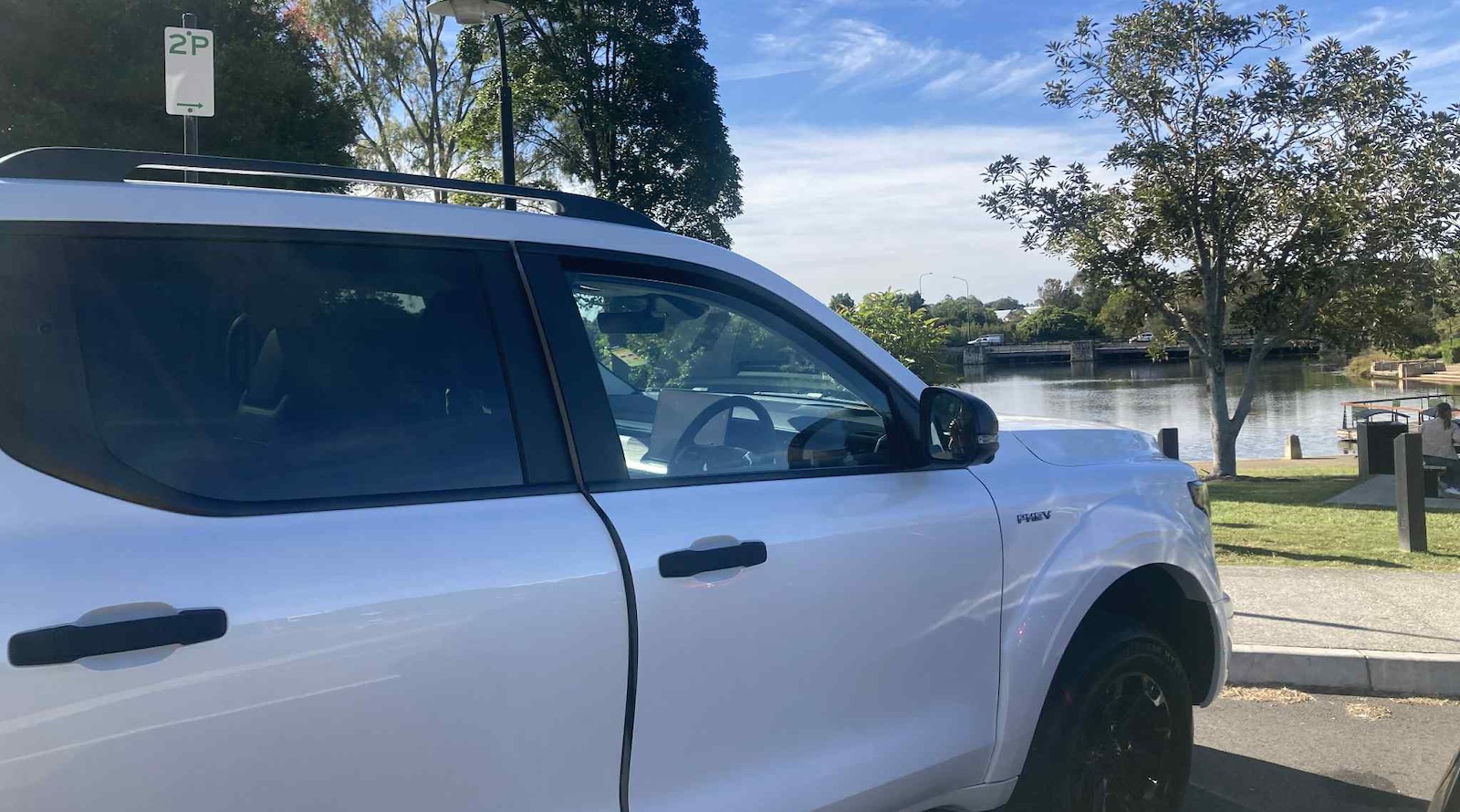
Chery's announcement to import the Stockman, a diesel plug-in hybrid utility vehicle, to Australia challenges conventional thinking about vehicle electrification in a market dominated by traditional diesel utes and petrol-powered plug-in hybrids. The move introduces a technology combination rarely seen in Australian dealerships, prompting questions about its viability in a transitional automotive landscape.
Australia's commercial and rural vehicle market relies heavily on diesel utes for their torque delivery, fuel economy, and established refueling infrastructure across remote regions. Petrol-based PHEVs like the BYD Shark 6 and Canon Alpha have gained traction among urban and suburban buyers seeking lower emissions without complete electrification. The absence of diesel PHEV options until now reflects market assumptions about consumer preferences and the technical complexity of combining diesel engines with plug-in hybrid architecture.
The Stockman represents a different approach to decarbonization. Diesel engines deliver superior fuel efficiency and range compared to petrol counterparts, critical advantages for farmers, contractors, and rural workers who traverse long distances with heavy loads. A plug-in hybrid diesel system could theoretically offer the best of both worlds: zero-emission urban driving via battery power, extended range for highway work via diesel combustion, and superior efficiency compared to traditional diesel or petrol alternatives.
Australia's regulatory environment supports this hybrid pathway. The government's vehicle emissions standards allow plug-in hybrids as intermediate steps toward fleet decarbonization, particularly for vocational vehicles where all-electric alternatives remain underdeveloped. Diesel engines also continue to dominate commercial vehicle manufacturing globally, meaning Chery can leverage existing supply chains rather than developing entirely new powertrains.
However, significant barriers persist. Battery technology in cold, harsh rural conditions remains unproven at scale. Diesel engines produce higher nitrogen oxide emissions during combustion. The added complexity of diesel-hybrid integration raises maintenance costs and training requirements for rural mechanics more accustomed to conventional diesel servicing. Insurance, warranty support, and fuel supply logistics for dual-fuel systems remain unclear in Australia's decentralized market.
Consumer adoption hinges on price competitiveness. The Stockman must undercut comparable all-electric utes like the Ford F-150 Lightning or BYD Tang EV while remaining affordable relative to traditional diesel options. Residual values for novel hybrid vehicles typically lag, making resale concerns valid for rural buyers.
The import also reflects global automotive trends. European manufacturers have pursued diesel hybridization for years, though often abandoning these models as emissions regulations tightened. Chinese automakers like Chery operate under different regulatory pressures and cost structures, enabling market strategies unavailable to Western competitors.
From a climate perspective, diesel PHEVs occupy an ambiguous position. They reduce emissions compared to conventional diesel vehicles but fall short of the zero-tailpipe benefit offered by battery-electric trucks. Real-world fuel consumption depends entirely on driver behavior and charging patterns. Rural users without reliable grid access may rarely plug in, reverting to traditional diesel consumption with added weight penalties from unused batteries.
The Stockman's success in Australia will test whether the regional market values a transitional technology or prefers accelerated movement toward full electrification. Early sales data, charging infrastructure uptake, and owner satisfaction will determine whether other manufacturers follow Chery's lead or whether the diesel PHEV segment remains a niche offering in Australia's evolving automotive landscape.