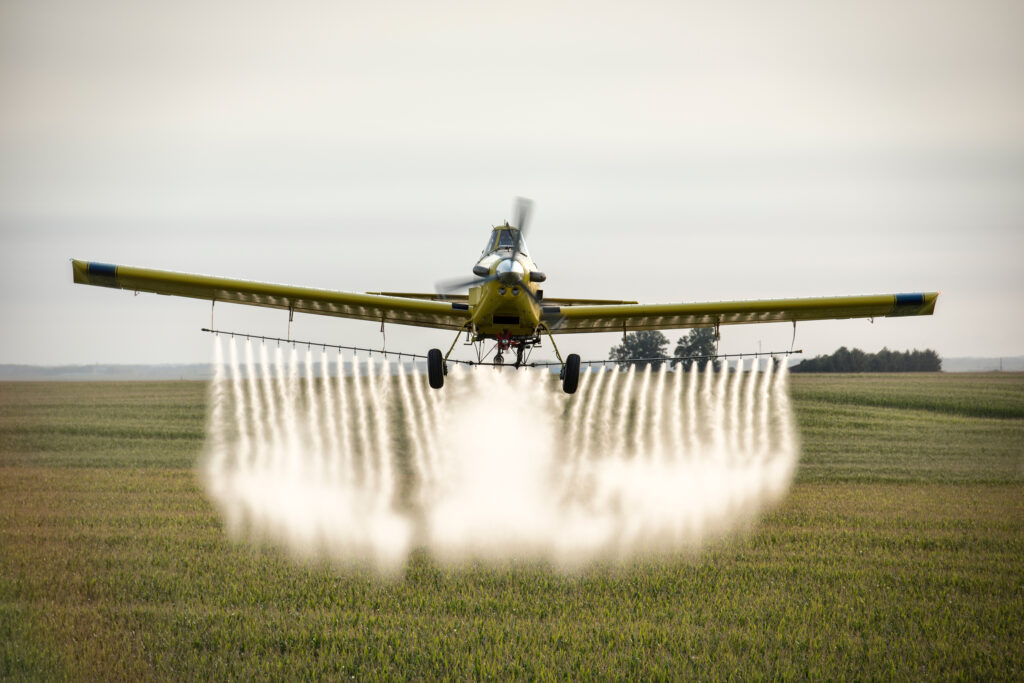
Atrazine, the second-most widely used weedkiller in the United States after glyphosate, has been detected in dangerous quantities in a quarter of American rivers, according to Nathan Donley from the Center for Biological Diversity in an interview with Living on Earth.
Like glyphosate, commonly known as Roundup, atrazine can disrupt hormones. The pesticide has drawn scrutiny for its potential health effects, with critics characterizing it as a carcinogenic chemical "no one needs."
The widespread presence of atrazine in U.S. waterways underscores the reach of agricultural pesticide use across the country's river systems. The detection of the chemical in dangerous concentrations raises concerns about drinking water safety and ecosystem health, particularly given atrazine's endocrine-disrupting properties.
The finding comes as regulatory scrutiny of widely used agricultural chemicals continues. While glyphosate has received considerable public attention in recent years, atrazine's prevalence in U.S. rivers has received comparatively less attention despite its extensive use in American agriculture.
Donley's comments, delivered through Living on Earth's environmental reporting, highlight the persistence of synthetic pesticides in the nation's water infrastructure and the ongoing debate over their safety. The detection of atrazine in a quarter of U.S. rivers suggests the chemical's widespread application has resulted in significant environmental contamination.
The presence of hormone-disrupting pesticides in drinking water sources raises questions about regulatory oversight and the need for alternative weed management approaches. Agriculture remains the primary driver of atrazine use in the U.S., where it continues to be applied to corn and other crops despite growing scientific documentation of its effects on endocrine systems.