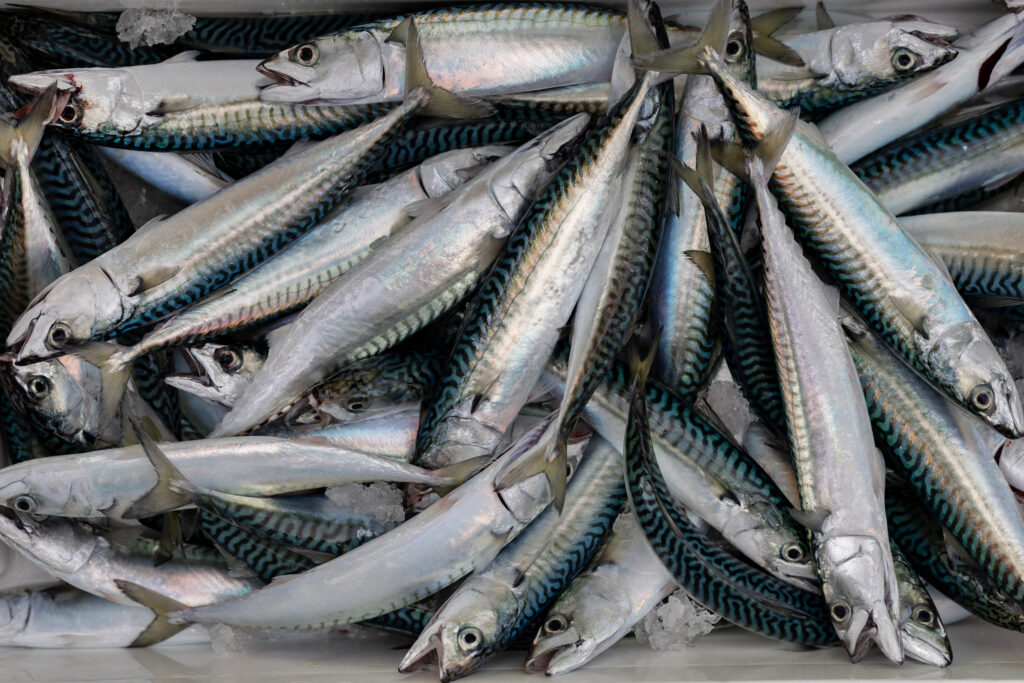
Europe's fish stocks face severe depletion, prompting major retailers to pressure the fishing industry to reduce catches. The International Council for the Exploration of the Sea released its annual mackerel report last week, providing scientific data used to set annual catch limits across European waters.
Retailers dependent on fish supplies now warn that overfishing threatens both marine ecosystems and their own business models. The intervention marks a shift from typical industry dynamics, where retailers typically remain neutral in debates between environmental advocates and fishing operators.
The mackerel report from the intergovernmental marine science organization documents current stock conditions and informs policy decisions on sustainable harvest levels. European fishing nations use this data to establish annual quotas designed to prevent stock collapse.
Retailer concerns reflect growing recognition that depleted fish populations undermine long-term supply chains. Without intervention, continued overfishing reduces the resource base that supports both commercial operations and livelihoods in fishing communities.
The timing of retailer warnings coincides with broader debates over fishing regulations in Europe. Multiple fish stocks face pressure from current catch levels, with mackerel stocks particularly vulnerable to overexploitation.
This development represents an unusual alignment where commercial interests in seafood retail now align with conservation concerns. Retailers recognize that sustainable fishing practices protect future supplies, whereas current overfishing accelerates stock decline and threatens business continuity.
The call from retailers for reduced catches comes as fishing nations negotiate quota adjustments based on scientific assessments. Industry data and retailer pressure combine to shape policy conversations about catch limits and marine resource management across European waters.