Researchers using underwater cameras discovered vast forests of Sargassum howeanum seaweed near Lord Howe Island at depths of 20-38 metres. The species had not been confirmed in the area since botanist A.H.S. Lucas collected adult specimens in 1935. For the next 90 years, only small, immature plants appeared in shallow waters, leaving scientists uncertain about where the adult populations had gone.
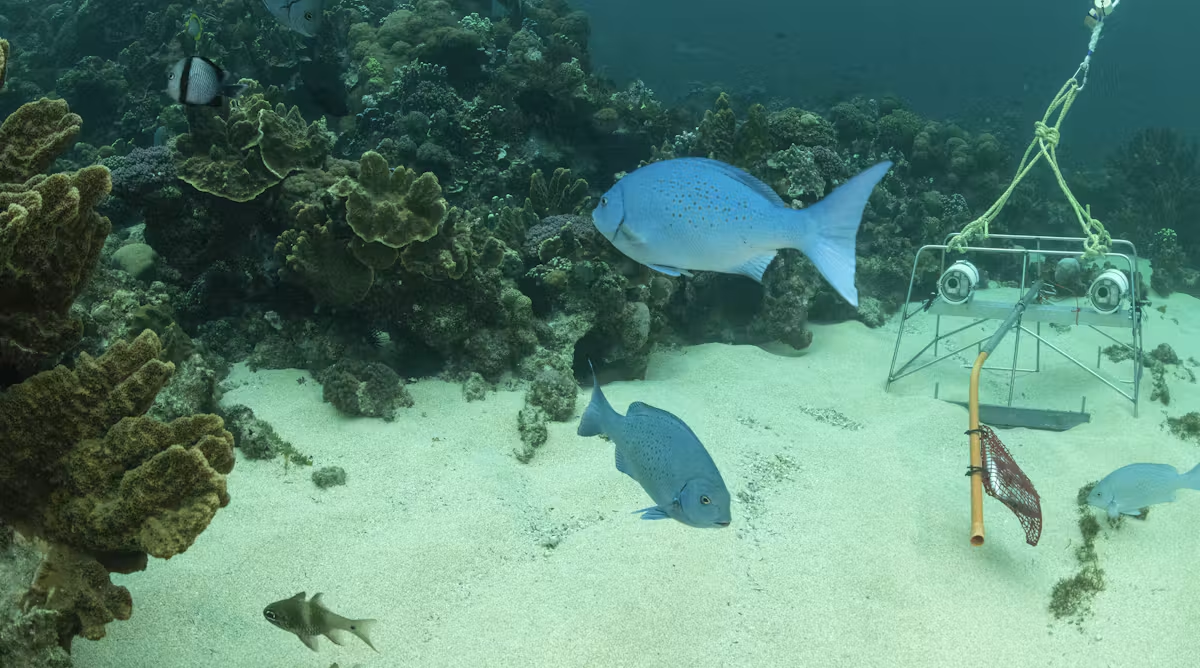
The team surveyed marine parks around Lord Howe Island in 2022 using baited remote underwater video systems. During footage review, they found dense seaweed forests blanketing areas that had previously been bare seafloor. Specimens that became entangled in camera equipment were sent to algal expert Gerald Kraft, who identified adult S. howeanum plants up to 72 centimetres long with fruiting bodies used for reproduction.
Analysis of survey footage from 2009, 2013, 2017, and 2022 showed the total area covered by Sargassum forests grew by 22 times between 2009 and 2022. Researchers noted ocean temperatures at depths of 20-50 metres were cooler in the lead up to 2022 compared to earlier survey years. Meanwhile, sea surface temperatures at Lord Howe Island have increased by about 0.2°C each decade since 1985.
The findings suggest deeper water habitats may serve as refuges for seaweed as ocean temperatures rise globally. Seaweed forests remove nearly 56 million tonnes of carbon from the atmosphere annually and provide habitat and food for reef fish, seadragons, and abalone. In Tasmania and Northern California, kelp forests have declined by 95%, driven primarily by marine heatwaves and ocean warming.
The research team noted that more long-term monitoring is needed to confirm whether cooler deepwater habitats function as refugiums protecting seaweed from rising temperatures and pressure from tropical herbivorous fish moving poleward.