# First H5 Bird Flu Death Strikes Endangered Australian Sea Lion Population
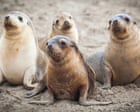
South Australian authorities confirmed the first recorded death of an Australian sea lion from H5 bird flu on Kangaroo Island. The discovery marks a new threat to one of Earth's rarest marine mammals.
Fewer than 12,000 Australian sea lions remain in the wild. The species, listed as endangered under international conservation law, already faces pressure from fishing nets, habitat loss, and food scarcity. The H5 bird flu death adds a pathogen-driven risk to an already fragile population.
Researchers have tracked H5 avian influenza spreading across Australia since 2022. The virus moved from wild birds into marine mammals along the southern coast. Seals, sea lions, and dolphins began dying in larger numbers starting in 2023. This sea lion death represents the first documented case in the species itself, not in closely related seal populations.
The H5 variant circulating in Australia remains the same genetic lineage involved in global outbreaks. Scientists at Australian universities and the Australian Department for Environment and Water have monitored the virus through wildlife sampling programs. They documented H5 infections in Australian fur seals and little penguins earlier this year, establishing the pathogen's reach into marine food webs.
Sea lions hunt fish and squid in southern waters where infected birds congregate or where virus particles persist in water and sediment. Marine scavengers also risk exposure when consuming dead birds. The Kangaroo Island population represents one of the largest breeding colonies for the species, making any mortality there ecologically significant.
Conservation officers worry about cascade effects. If H5 kills breeding females during pupping season, population recovery slows dramatically. Sea lions already produce only one pup per female annually, among the lowest reproductive rates for pinnipeds. Even low mortality rates translate into population decline when birth rates remain constrained.
Australian Department for Environment and Water officials said they would increase surveillance on known sea lion colonies. Researchers plan expanded testing at haul-out sites where animals rest between foraging trips. South Australian museums will retain specimens for viral sequencing to track whether the circulating strain mutates.
The broader H5 outbreak in Australian wildlife has killed thousands of birds and marine mammals. Penguin colonies in Victoria experienced mass mortality events. Dolphin strandings increased along South Australian coasts, with H5 confirmed in multiple species. Each species affected represents another reservoir where the virus can replicate and potentially evolve.
International precedent shows H5 can sustain itself in seabird and marine mammal populations long-term. Northern hemisphere colonies experienced repeated seasonal die-offs. Australia's isolated populations lack immunity from prior exposure, making them potentially vulnerable to severe outbreaks.
Recovery plans for Australian sea lions focus on protected breeding areas and fishing restrictions. H5 surveillance now becomes part of mandatory monitoring. Veterinary teams at Phillip Island, the Australian Wildlife Health Centre, and University of Melbourne laboratories coordinated response protocols. State and federal authorities activated disease reporting requirements across all suspected H5 cases in marine wildlife.
The species remains hunted by great white sharks and leopard sharks despite protections. Adding pathogenic mortality stretches conservation resources thin. Managers must now balance traditional threats against emerging infectious disease while maintaining viable breeding populations on less than a dozen major island colonies across southern Australia.