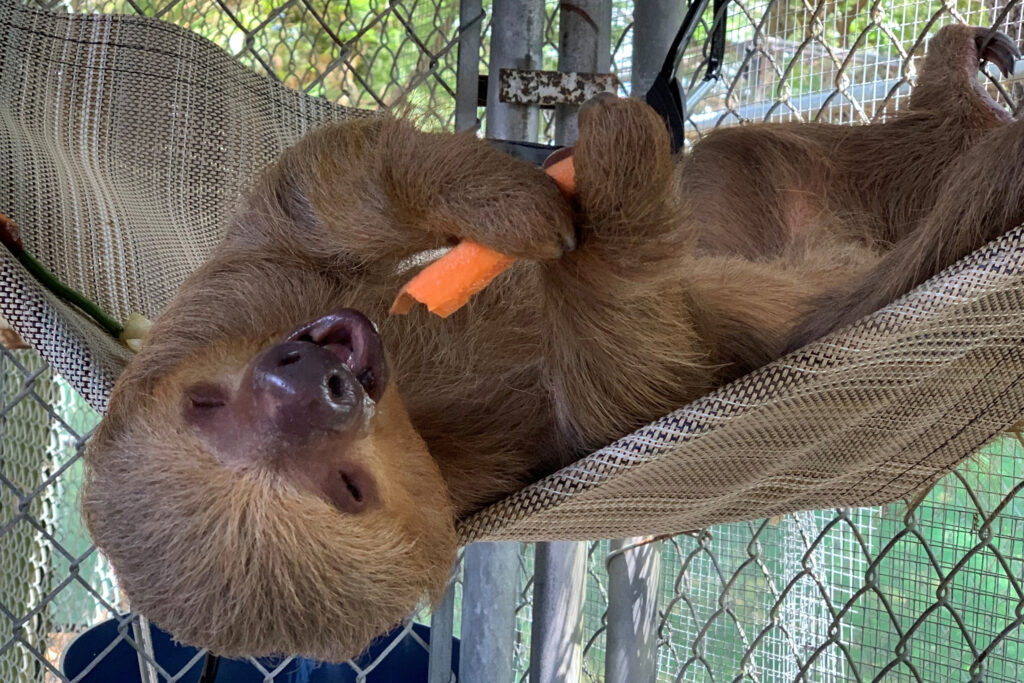
# Florida Tightens Import Rules for Sloths Following Deaths at Tourism Facility
The Florida Fish and Wildlife Conservation Commission has drafted stricter regulations governing sloth imports after an Inside Climate News investigation documented the deaths of dozens of wild-caught sloths at a planned Orlando tourism venue. The deaths prompted the agency to act within months, proposing new rules that would tighten existing permit requirements for anyone importing sloths into Florida.
The investigation exposed a conservation crisis hiding in plain sight. Wild sloths captured in South America and brought to Florida for commercial tourism purposes died in significant numbers before the facility ever opened to the public. The deaths raised questions about animal welfare standards, transport conditions, and the state's oversight of wildlife imports destined for entertainment venues.
Florida currently requires permits for individuals and businesses importing sloths, but the existing framework has proven insufficient. The Fish and Wildlife Conservation Commission's new proposal would strengthen several areas. Details under consideration include tighter health screening protocols for imported animals, enhanced enclosure standards that better replicate natural conditions, and more rigorous veterinary oversight during transport and acclimation periods.
The timing reflects the agency's responsiveness to documented harm. Inside Climate News published findings showing that facilities importing sloths for tourism attractions lacked adequate expertise in sloth care. Sloths are highly specialized creatures with slow metabolisms and specific dietary needs. They experience severe stress when removed from forest canopies and placed in unfamiliar environments, a factor that likely contributed to the mortality spike.
The proposed rules address a broader problem in Florida's wildlife trade. The state has become a hub for exotic animal imports, with businesses obtaining permits to house everything from reptiles to primates. Sloths occupy a particular niche within this market, targeted by tourism operators who view the animals' slow, docile nature as appealing to visitors. However, that same docility masks the animal's vulnerability to captive conditions.
Wildlife experts emphasize that wild-caught sloths differ significantly from captive-bred animals. The individuals who died at the Orlando facility came directly from Central and South American forests, never adapted to human handling or enclosure life. They faced transport stress, temperature fluctuations, diet changes, and the psychological trauma of captivity. These compounding factors created a mortality event that should have been preventable.
The Fish and Wildlife Conservation Commission did not specify exact numbers in its proposal documents, but Inside Climate News reported dozens of deaths. That scale represents not only an animal welfare failure but also an ecological one. Each sloth removed from wild populations reduces genetic diversity in remaining forest communities and diminishes seed dispersal services that sloths provide by moving through canopy layers.
Sloths face increasing pressure in their native habitats due to deforestation and climate change. Central American and South American governments have begun restricting exports, recognizing that wild populations cannot sustain extraction for international trade. Florida's new regulations could model a different approach: acknowledging that some animals should remain in their ecosystems rather than entering commercial supply chains.
The public comment period for Florida's proposed rules begins shortly. Conservation groups and veterinary organizations have already signaled support, noting that stronger protections benefit both animals and the facilities housing them. When sloths die in captivity, tourism businesses lose their attraction. Prevention saves money and lives.
The Orlando facility at the center of the investigation has not reopened and faces ongoing scrutiny from state authorities.