# Texas LNG Export Terminal Violates Air Pollution Limits With Minimal Regulatory Oversight
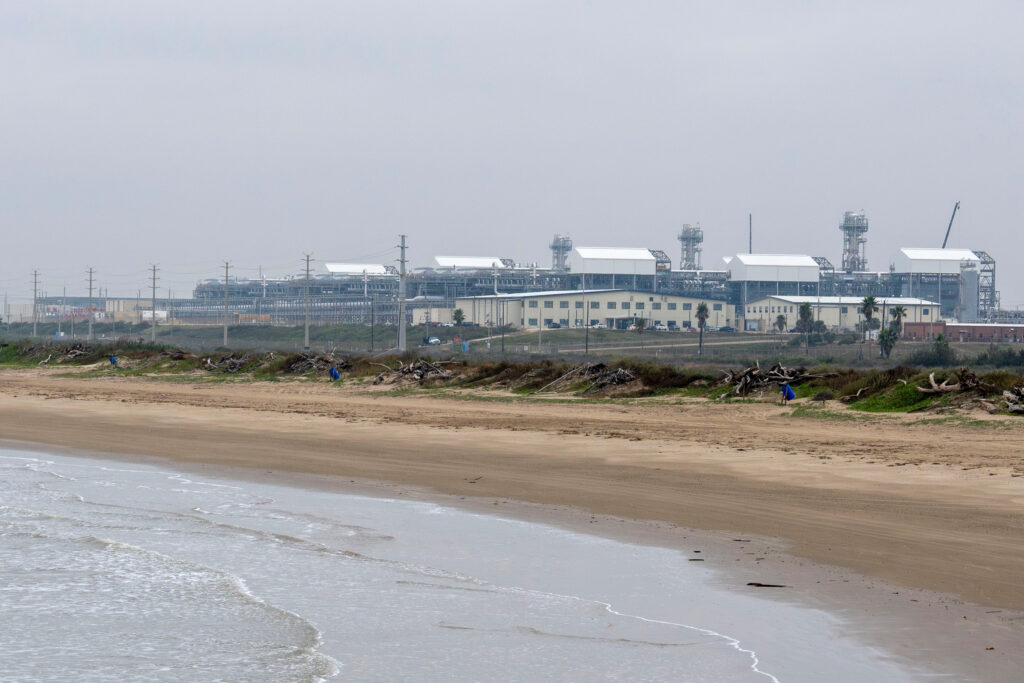
A liquefied natural gas export facility on the Texas Gulf Coast has systematically exceeded permitted air pollution thresholds for years while state regulators imposed minimal penalties, according to an investigation by Oilfield Witness released this week.
The environmental watchdog group analyzed thousands of regulatory documents and conducted optical gas imaging monitoring for one month to document chronic violations at the facility. The group's findings reveal a pattern of exceedances that persisted despite permit limits designed to protect air quality and public health in the region.
The investigation spotlights a compliance gap in Texas air quality enforcement. The state's permitting system allows LNG terminals to operate under air permits that cap emissions of volatile organic compounds, nitrogen oxides, and other pollutants. When facilities exceed these caps, the Texas Commission on Environmental Quality, the state's primary environmental regulator, typically issues notices of violation. However, these notices often result in negligible fines relative to operational revenues, creating limited financial incentive to maintain compliance.
LNG export terminals compress natural gas into liquid form for shipment to overseas markets. The compression and refrigeration processes release fugitive emissions, which escape during normal operation and maintenance. These emissions include methane, a potent greenhouse gas, and volatile organic compounds that contribute to ground-level ozone formation and respiratory harm.
The Oilfield Witness report adds to mounting evidence that Texas regulators prioritize industry expansion over strict enforcement. Multiple environmental groups have documented similar compliance patterns at refineries, petrochemical complexes, and other industrial facilities along the Texas coast. The region, known as the "petrochemical corridor," hosts one of the nation's highest concentrations of energy infrastructure.
The facility examined in the Oilfield Witness report operates under a Title V air permit administered by TCEQ. These federal-level permits, required for major emissions sources under the Clean Air Act, include specific numerical limits on regulated pollutants. When a facility violates these limits, operators must report the violations to state and federal regulators within prescribed timelines. Yet enforcement authority remains largely with state agencies, which often lack resources or political will to pursue meaningful penalties.
The investigation arrived as federal policy debates intensify around LNG export expansion. The Biden administration temporarily paused new LNG export permits in February 2024 to assess climate impacts, but existing projects continue expanding capacity. Texas hosts three operational LNG export terminals, with additional projects in development. The state's permitting framework has not substantially tightened despite growing climate and air quality concerns.
Oilfield Witness documented emissions exceedances spanning multiple years. The group's optical gas imaging captured visible fugitive emissions during the monitoring period, providing visual evidence of releases not captured in some regulatory reports. This discrepancy suggests that standard reporting mechanisms may undercount actual emissions released into the atmosphere.
Environmental health advocates emphasize that communities near LNG terminals face compounded pollution from multiple industrial sources. Cumulative air quality impacts from refineries, petrochemical plants, compressor stations, and export facilities create elevated cancer and respiratory disease rates in these areas compared to state and national averages.
The findings renew calls for stronger state-level air quality enforcement and permit conditions that reflect climate and health impacts of LNG exports. Environmental groups argue that current TCEQ policies treat air permits as baseline compliance documents rather than enforceable accountability mechanisms.