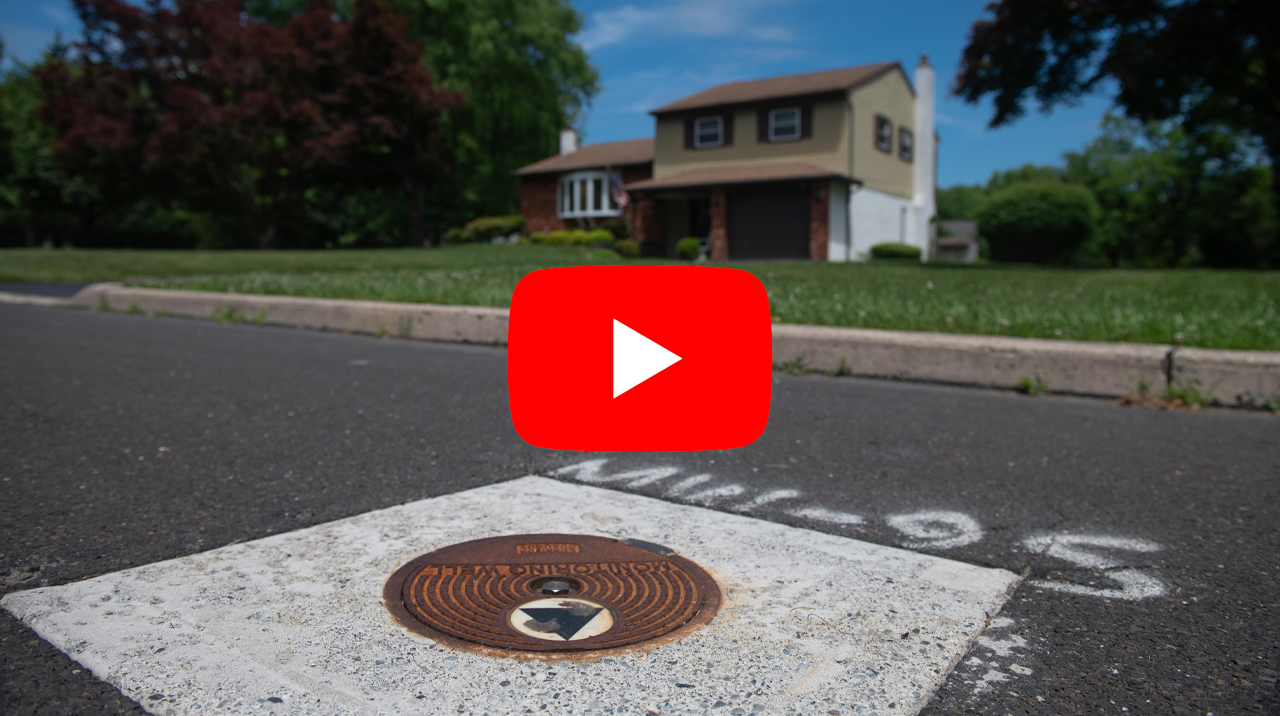
A jet fuel pipeline rupture in Pennsylvania has contaminated the drinking water supply for over 200 households, exposing how infrastructure failures intersect with weakened environmental protections under the Trump administration's policy rollbacks.
The spill entered a critical water source serving residential areas, forcing families to rely on bottled water while state and federal agencies investigate. Pennsylvania's water infrastructure, already aging in many regions, now faces scrutiny over pipeline safety standards and inspection protocols that have deteriorated under reduced regulatory oversight.
The contamination raises immediate public health concerns. Jet fuel contains toxic hydrocarbons including benzene and toluene, compounds that pose neurological and carcinogenic risks at elevated exposure levels. The Environmental Protection Agency establishes maximum contaminant levels for many petroleum byproducts in drinking water, but enforcement capacity has contracted under the current administration. State environmental agencies in Pennsylvania must now manage response efforts with fewer federal resources and guidance.
Pipeline incidents involving refined petroleum products occur regularly across the U.S. infrastructure network, but recent policy changes have altered how such failures are addressed. The Trump administration has rolled back environmental impact assessments for pipeline projects, streamlined permitting processes, and reduced funding for EPA water quality monitoring programs. These decisions remove layers of preventive oversight that historically caught deteriorating infrastructure before catastrophic failures.
Homeowners affected by the spill face uncertainty about water safety timelines and long-term liability. Pipeline operators typically carry insurance, but residents must navigate complex legal processes to establish causation and damages. Meanwhile, the contaminated water source remains offline, disrupting municipal service and forcing emergency water distribution.
Pennsylvania's experience reflects broader infrastructure vulnerabilities. The American Society of Civil Engineers rates U.S. water infrastructure at a D+ overall, citing deferred maintenance, aging pipes, and undersized treatment capacity. Petroleum pipelines crossing water aquifers require regular inspection and maintenance, yet budget constraints and regulatory rollbacks have reduced these activities in many states.
The incident also highlights how environmental policy changes affect people with minimal political voice. Rural and suburban communities relying on individual water sources or small municipal systems lack resources for rapid response that larger cities possess. These populations bear disproportionate exposure to infrastructure failures when regulatory guardrails weaken.
Federal Pipeline and Hazardous Materials Safety Administration oversight remains in effect, but resource constraints limit inspection frequency. The agency processes thousands of incident reports annually while managing a pipeline network exceeding 2.6 million miles nationwide.
Recovery for affected households involves water testing, potential well remediation, and restoration of service. Public health departments must coordinate with water providers, pipeline operators, and environmental agencies to establish safe consumption levels and decontamination schedules.
The Pennsylvania case demonstrates how deregulatory agendas create conditions for environmental hazards to affect ordinary households. Infrastructure failures do not respect political ideology, but policy choices determine whether systems receive preventive investment or face crisis management only after contamination occurs.