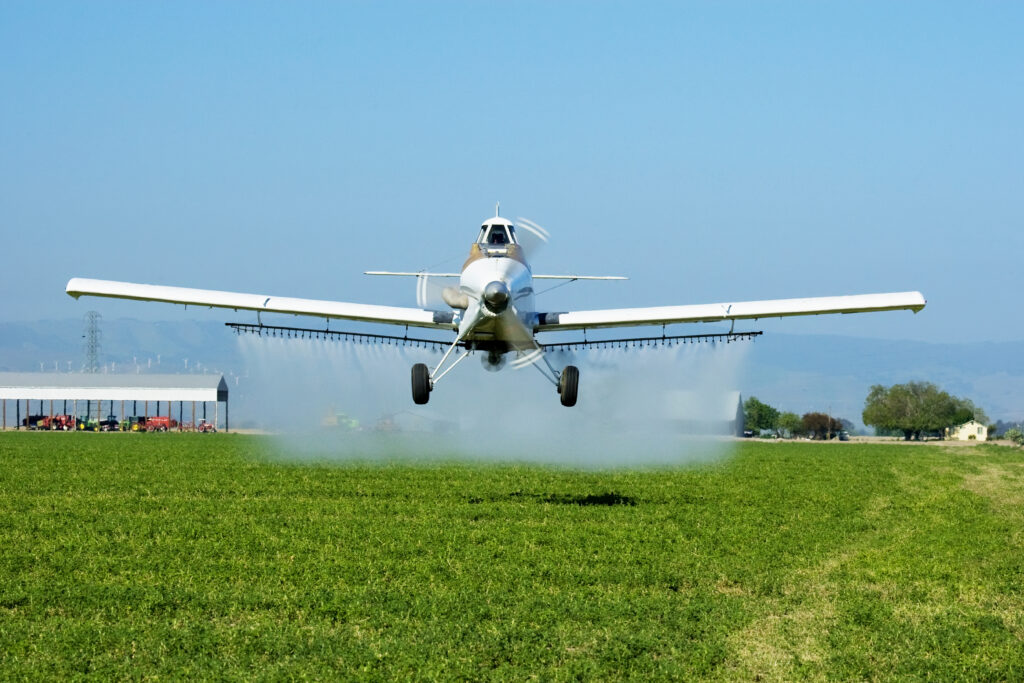
# Industry Lobbying Gutted California's PFAS Pesticide Ban
California's effort to restrict toxic "forever chemicals" from food production collapsed under intense industry pressure, replaced by a watered-down alternative that only requires tracking pesticide use rather than banning it outright.
The original legislation aimed to prohibit the use of PFAS (per- and polyfluoroalkyl substances) on crops destined for human consumption. These synthetic compounds persist indefinitely in soil and groundwater, accumulating in food chains and human tissue. The bill represented one of the most aggressive state-level attempts to regulate PFAS in agriculture.
Chemical manufacturers and agricultural industry groups spent hundreds of thousands of dollars in lobbying efforts to defeat the ban, according to reporting from Inside Climate News. The coordinated campaign succeeded. The legislation that reached Governor Gavin Newsom's desk last week became merely a tracking requirement. Regulators must now monitor and disclose where PFAS pesticides are applied in California, but cannot prohibit their use.
PFAS chemicals earned the nickname "forever chemicals" because they do not break down in the environment or in the human body. Research has linked PFAS exposure to kidney cancer, testicular cancer, thyroid disease, and immune system suppression. The Environmental Protection Agency established drinking water limits for two PFAS compounds in 2023, following decades of contamination documented across military bases, industrial sites, and agricultural regions nationwide.
California produces nearly one-third of America's vegetables and two-thirds of its fruit and nuts. The state's agricultural sector has deployed PFAS-containing pesticides for decades. Produce grown in contaminated soil absorbs the chemicals, creating direct pathways to consumer exposure. California's produce reaches grocery stores across the nation, making regulatory decisions in the state consequential for public health nationwide.
The agricultural industry argued that banning PFAS pesticides would compromise crop yields and increase production costs. Chemical industry representatives contended that PFAS compounds posed no demonstrable risk at current exposure levels. These arguments proved persuasive during the legislative process, despite mounting scientific evidence of PFAS toxicity at relatively low concentrations.
The tracking bill represents partial progress. Transparency about pesticide application sites enables researchers, regulators, and public health officials to identify contamination hotspots and correlate PFAS exposure with health outcomes. California's Department of Pesticide Regulation will gain authority to compile application data, potentially revealing patterns that support future regulatory action.
However, a disclosure-only approach leaves farmers and food manufacturers free to continue PFAS pesticide use without restriction. Producers in other states or countries face stricter regulations. Denmark banned all PFAS pesticide use in 2020. The European Union has pursued increasingly restrictive PFAS policies across multiple sectors.
Newsom has not yet signed the tracking bill, and environmental advocates continue urging him to reject it and push for actual prohibition. The governor's decision will signal whether California intends to lead or follow on regulating these persistent toxins in agriculture. The industrial lobbying campaign succeeded at blocking the strongest version of reform, but the debate over PFAS in food production remains unresolved.