# California's Natural Gas Power Plants Face Rapid Retirement as Renewables Surge
California has begun dismantling its dependence on natural gas for electricity generation at a pace that outpaces climate targets set just years ago. The state's gas-fired power plants generated their peak output in 2014 and have declined in eight of the eleven years since, according to data tracking the shift in the state's energy portfolio.
The retreat accelerated sharply in 2025. Natural gas electricity output fell 15 percent compared to 2024, with projections indicating a 26 percent decline heading into 2026. This trajectory represents one of the most aggressive fossil fuel phase-outs among major industrial economies.
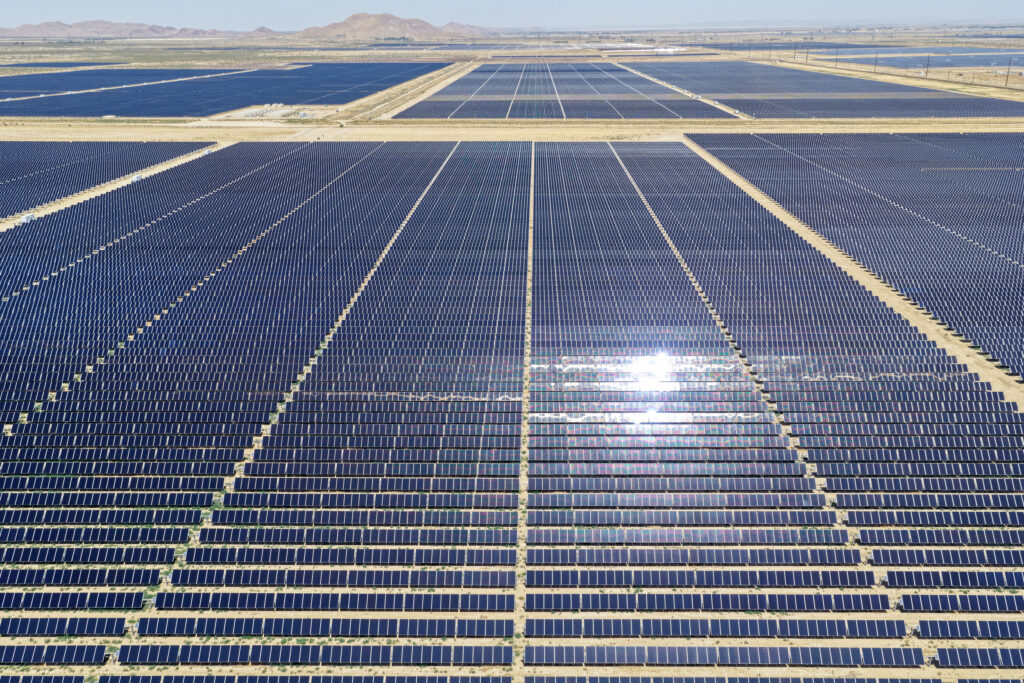
California's natural gas fleet powered roughly one-quarter of the state's electricity in 2024. That share continues contracting as renewable generation expands. Solar installations dominate California's new capacity additions, now producing more than 20 percent of the state's annual electricity. Wind farms contribute an additional 9 percent. Battery storage systems, largely absent from California's grid five years ago, now smooth out renewable variability at utility scale.
The state's grid operator, the California Independent System Operator (CAISO), manages the integration of this variable power supply. CAISO data confirms that natural gas plants increasingly operate as backup capacity rather than baseload generators. Many facilities sit idle during daylight hours when solar generation peaks, cycling on primarily during evening demand spikes and winter months.
California's renewable procurement mandates accelerated this shift. The state required utilities to source 60 percent of electricity from renewables by 2030, a target established in 2018. That deadline now appears achievable years ahead of schedule. Governor Gavin Newsom's 2022 executive order directed regulators to keep existing natural gas plants operating only as needed, effectively capping new construction and accelerating retirements.
Market economics compound the policy pressure. Natural gas plants cannot compete with zero-fuel-cost renewables paired with battery storage. Operating costs for older gas facilities now exceed revenues from grid operations. California's three-year drought from 2020 to 2023 also depleted hydroelectric reserves, forcing the state to lean more heavily on solar and wind generation to offset that loss.
Major utilities have announced retirements. Southern California Edison retired its Scattergood Generating Station's remaining units and accelerated closure of Ormond Beach, a 1,200-megawatt natural gas complex. Pacific Gas and Electric decommissioned its Pittsburg power plant in 2024. These closures reflect both state directives and economic reality.
The natural gas industry contests the pace of transition. Critics argue that reliability risks emerge during peak demand periods and extreme weather events. But CAISO modeling, released in 2024, concluded that California can achieve 80 percent renewable electricity by 2026 while maintaining grid stability, provided battery storage continues expanding.
Energy storage capacity has grown from 1.5 gigawatts in 2020 to over 10 gigawatts today, with another 30 gigawatts committed through 2028. This storage boom, driven by state incentives and falling lithium-ion battery costs, provides the technical foundation for accelerated natural gas retirement.
California exports this transition model to other states. Nevada, Arizona, and Hawai'i have adopted similar renewable targets with comparable natural gas phase-out trajectories. The state's experience demonstrates that rapid decarbonization of electricity supply does not require extending coal or nuclear facility lifespans when deployment of renewables and storage reaches sufficient scale.