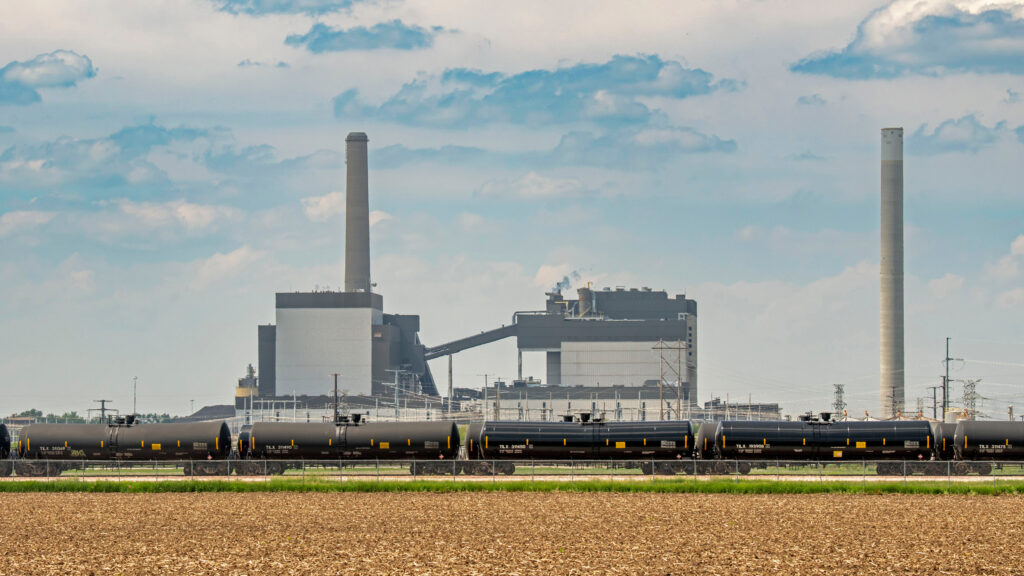
Iowa's renewable energy dominance faces an unexpected reversal. The state that derives nearly two-thirds of its electricity from wind turbines is now burning more coal to meet surging demand driven by data centers and artificial intelligence operations.
The resurgence marks a sharp departure from Iowa's two-decade trajectory. Since 2000, coal's share of the state's power portfolio plummeted as utilities constructed one of the nation's largest wind fleets. That expansion made Iowa the country's leading wind-powered state. But grid operators now struggle to balance baseload capacity with volatile renewable generation.
Data centers consume enormous quantities of electricity continuously. AI training and inference operations require round-the-clock power at stable voltages. Wind generation fluctuates with weather patterns, creating gaps that grid operators have historically filled with natural gas and coal plants running at partial capacity. As demand spikes, utilities face a choice: invest in battery storage and transmission infrastructure, or activate dormant coal capacity.
MidAmerican Energy and Alliant Energy, Iowa's major utilities, have increased coal plant operations this year compared to 2023. Plant retirements initially projected for 2024 and 2025 have been delayed or cancelled. Coal consumption figures released by state energy agencies show utilization rates climbing as AI-driven demand spreads across data centers in Des Moines, Cedar Rapids, and rural Iowa counties.
The immediate driver is economic. Reactivating existing coal infrastructure requires less capital investment than constructing new transmission lines or battery farms. A coal plant idled for months can restart within weeks. Battery storage projects require 2-3 years for permitting and installation. This gap between urgent demand and infrastructure timelines pushes utilities toward fossil fuel solutions.
Industry analysts point to an underlying mismatch in grid planning. Iowa's Renewable Portfolio Standard mandates 105 percent renewable electricity by 2025, a goal requiring net purchases of renewable power. Yet the standard lacks integrated requirements for storage capacity or transmission upgrades needed to handle intermittency. State regulators approved major data center projects without requiring developers to fund grid modernization.
The Iowa Utilities Board, which oversees rate-regulated monopolies, has authority to mandate infrastructure investment but faces pressure from utilities seeking cost recovery. Passing modernization expenses to ratepayers increases electricity costs. The board must weigh consumer protection against grid reliability and emissions goals.
Climate advocates argue that coal resurgence contradicts Iowa's clean energy identity. Burning coal for AI data centers locks in carbon dioxide emissions while renewable capacity sits underutilized. A coal plant operating at 40 percent capacity produces emissions almost equal to a fully loaded natural gas plant, with inferior efficiency.
State policymakers face a narrowing window. The AI boom shows no signs of abating. Microsoft, Google, and Meta continue expanding data center footprints across the Midwest. Without rapid infrastructure investment, more states will experience Iowa's predicament. Grid operators will choose fossil fuels over blackouts.
Utilities argue that natural gas provides a bridge fuel while storage technology matures. But coal plant reactivations suggest longer-term commitments. Once operational, these facilities generate revenue streams utilities defend vigorously before regulators.
Iowa's coal resurgence illustrates a complex transition challenge. Wind power alone cannot reliably serve baseload demand without corresponding investments in grid modernization. Clean energy policies that ignore storage and transmission requirements risk creating conditions that favor fossil fuels.